

Aesthetic Medicine in Taichung
Injectables, radiofrequency and ultrasound lifting, thread lifting and laser treatment. The doctor assesses your skin, the area you want to change and the indications first, then decides which category fits.

Common Aesthetic Concerns
Six concerns we are asked about most often, and the direction each one points to.
Volume Loss
Hollows under the eyes, at the cheeks, temples and nasolabial folds, usually addressed with fillers, with the material chosen for the depth of the area.
Learn more →Dynamic Lines
Forehead lines, frown lines and crow's feet caused by the muscles of expression, usually softened by relaxing specific muscles with botulinum toxin.
Learn more →Laxity and Contour
Sagging cheeks, a double chin and a blurred jawline come from the supporting structures. The direction is stimulating collagen or providing support with threads.
Learn more →Pigmentation and Uneven Tone
Sun spots, melasma and dullness. How they are treated depends on the depth and type; melasma in particular needs careful assessment to avoid rebound darkening.
Learn more →Pores and Acne Scars
Enlarged pores and depressed acne scars, usually treated with fractional laser to prompt repair in the dermis. Several sessions and careful aftercare are needed.
Learn more →Facial Proportion
Adjusting the chin, nose or cheeks. This needs the whole face and bone structure looked at, rather than one feature in isolation.
Learn more →Worth Thinking About Beforehand
More treatment is not better treatment. Below is what suits a consultation, and what should be dealt with before any treatment is discussed.
Worth a Consultation
- You know what you want to change but not which category fits
- You have had treatment elsewhere and want to know how to continue
- You want to understand recovery time and duration before deciding
Deal With These First
- The area is inflamed, has an open wound or an active infection
- An underlying skin problem is unsettled, such as recurring acne or eczema
- Pregnancy or breastfeeding, or medication affecting clotting or immunity
- A marked adverse reaction to a previous injection or laser treatment
- You are hoping for a dramatic change, which needs to be discussed against what is realistic
The above is general health information and does not replace an in-person consultation; indications and contraindications require assessment by a qualified doctor.
How the Categories Differ
The same concern often has several approaches, differing in the layer they act on, the recovery time and how long they last. The doctor decides the combination based on your skin and the indications.
| Category | Mainly addresses | Layer | Points to note |
|---|---|---|---|
| Fillers | Volume loss, contour, static lines | Dermis to subcutaneous, depending on the material | Duration varies with material and metabolism; areas near vessels need a doctor familiar with the anatomy |
| Botulinum toxin | Lines caused by the muscles of expression | Muscle | The effect wears off over some months and needs repeating; dose and placement affect how natural expression looks |
| Collagen stimulators | Overall texture and lack of support | Subcutaneous, stimulating your own collagen | The change is gradual, usually visible after weeks to months, and given in several sessions |
| Radiofrequency and ultrasound | Laxity, a blurred jawline | Dermis to fascia, non-invasive | Heat or aching may be felt during treatment; response and duration vary from person to person |
| Thread lifting | Support for the mid-face and jawline | Subcutaneous, support from threads | Minimally invasive; swelling or tightness is possible afterwards, with recovery depending on the threads and the area |
| Laser and light therapy | Pigmentation, pores, acne scars, uneven tone | Epidermis to dermis, depending on wavelength | Several sessions; sun protection and moisturising afterwards affect the outcome, and melasma needs careful assessment |
Responses vary from person to person. This table is only to help you understand the options before your visit and is not a guarantee of results.
Treatment Categories
The three main categories offered here. The doctor explains the specific options and suitable areas during the consultation.
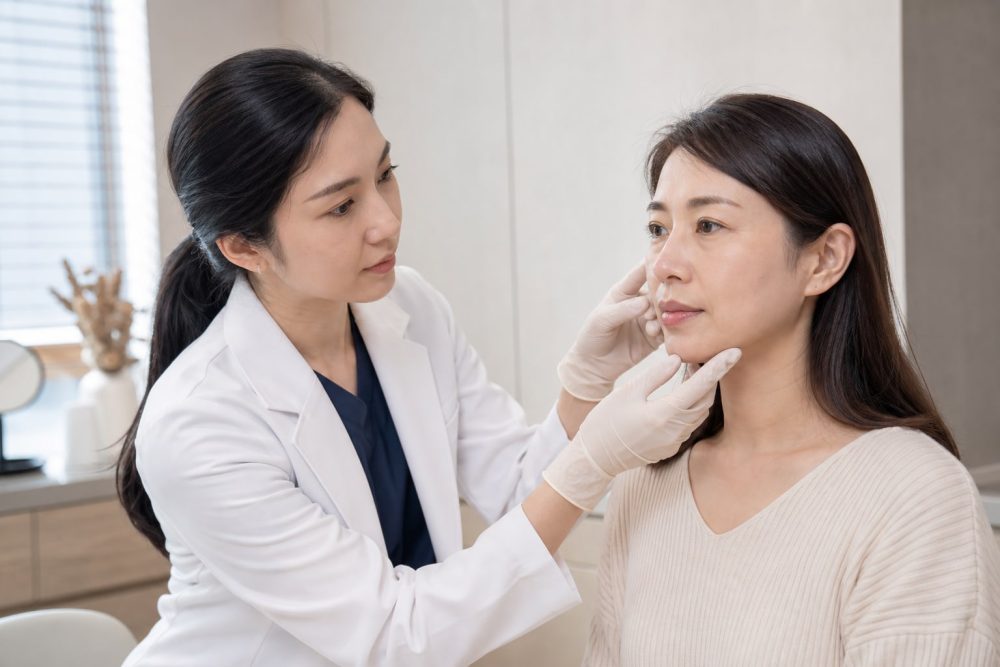
Hyaluronic Acid Fillers
Materials of different particle size and firmness are chosen for the area, addressing tear troughs, nasolabial folds, cheeks and contour.
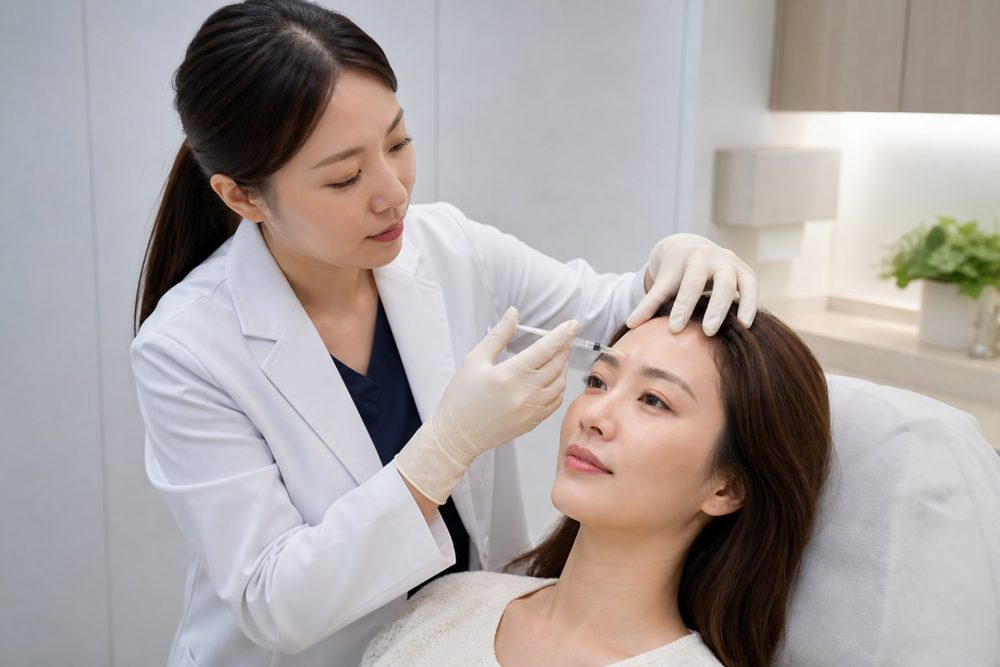
Botulinum Toxin
Relaxes the muscles that cause dynamic lines, and is also used for the masseter and local contour. The effect fades over time.
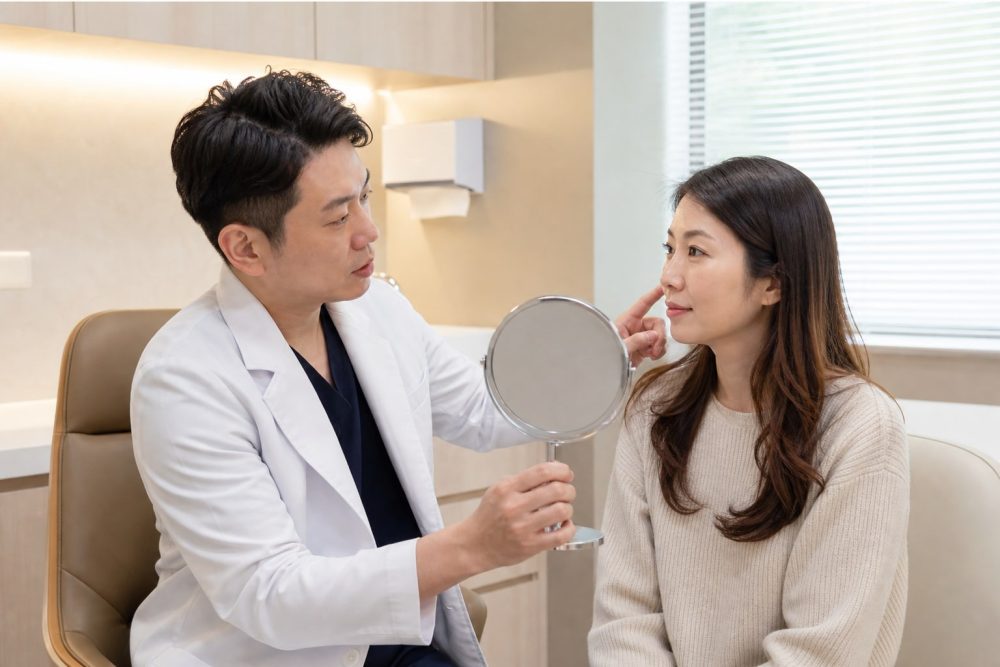
Collagen Stimulators
Improve support and texture by stimulating your own collagen. The change is gradual and usually given in several sessions.
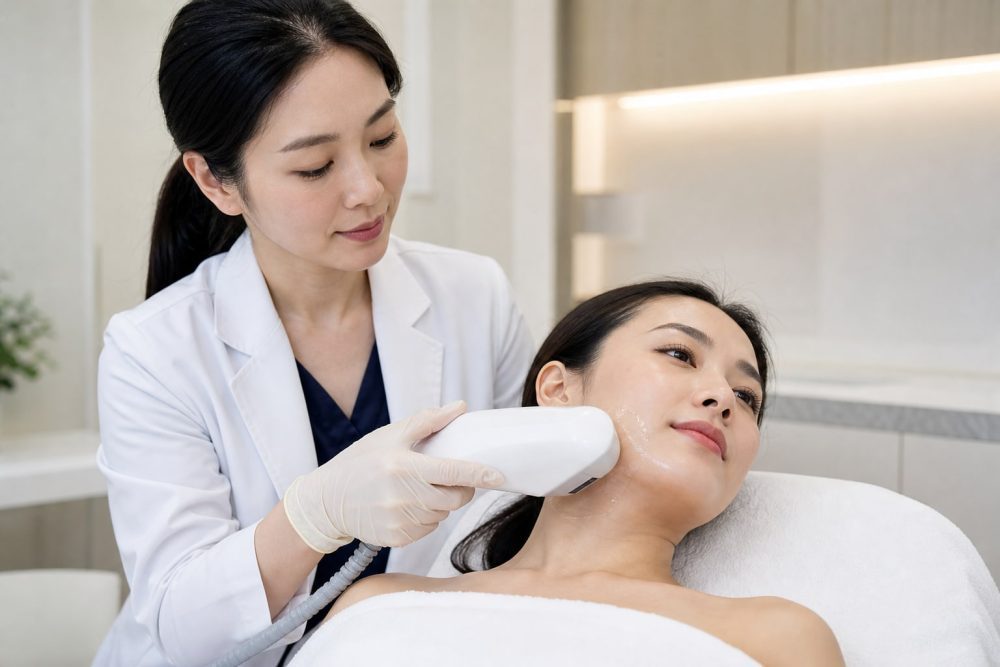
Radiofrequency and Ultrasound Lifting
Radiofrequency or focused ultrasound acts on deeper layers to prompt collagen remodelling. Non-invasive, with no wound.
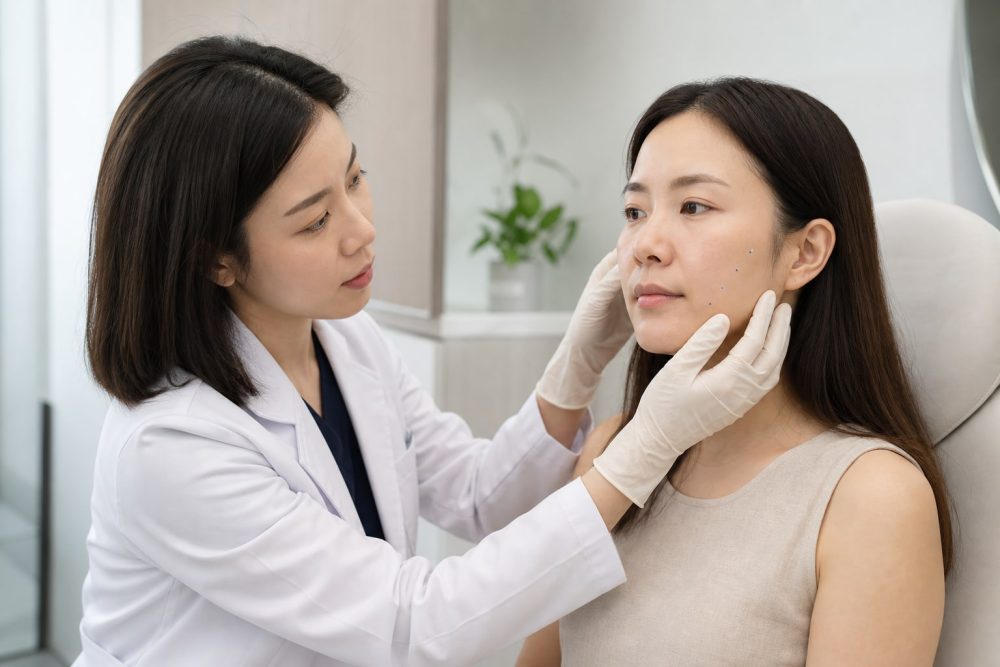
Thread Lifting
Absorbable threads are placed under the skin for support while also stimulating collagen, with the specification chosen for the area.
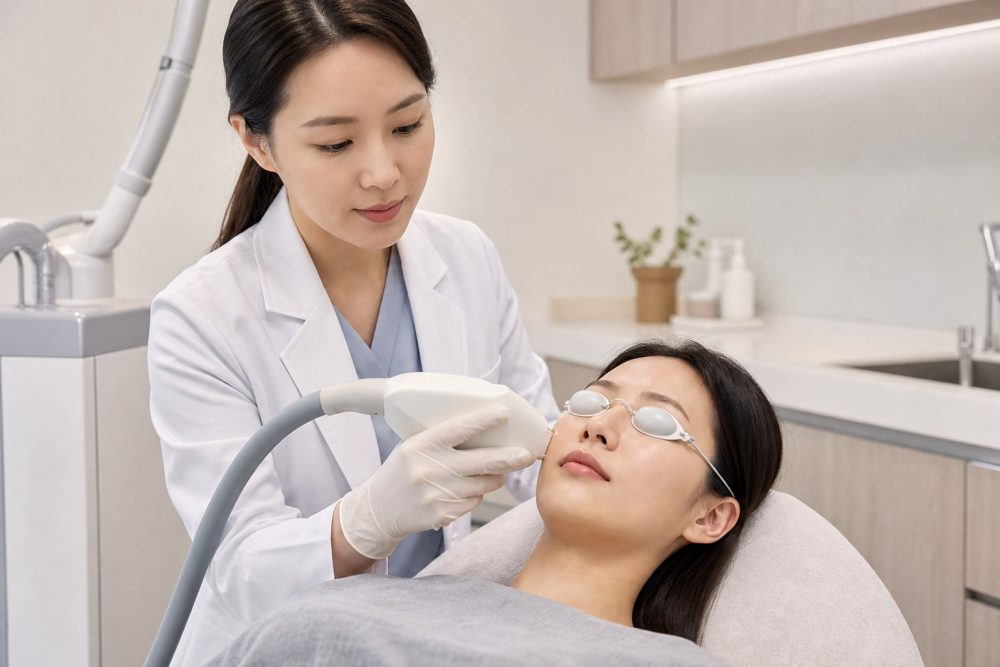
Laser and Light Therapy
Wavelength and device are chosen for the depth of the pigment and the type of pore or scar. Most need several sessions plus aftercare.
This article is disease education information. It is not drug advertising and does not recommend or sell any specific medicine.
What a Treatment Looks Like
Consultation and assessment
Understanding what you want to change and what you expect, reviewing your skin, past treatment and medication, and confirming there are no contraindications.
Choosing the approach
The differences between the categories, the likely extent of change, recovery time and duration are explained, and you agree the scope and order together.
Treatment
Cleansing and any topical anaesthetic beforehand, then the doctor carries out the treatment, checking with you as it goes.
Aftercare
What to do on the day and over the following days, what reactions are normal, and when to come back.
Review
A review appointment depending on the category, to assess the response and discuss whether anything needs adjusting.
Our Aesthetic Medicine Team
Care from dermatology and aesthetic medicine specialists, with clinical backgrounds from National Taiwan University Hospital, Veterans General Hospital and other medical centres.

Dr. Tseng

Dr. Lin

Dr. Lin

Dr. Li
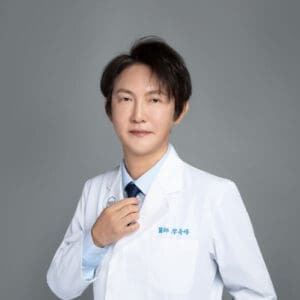
Dr. Liao
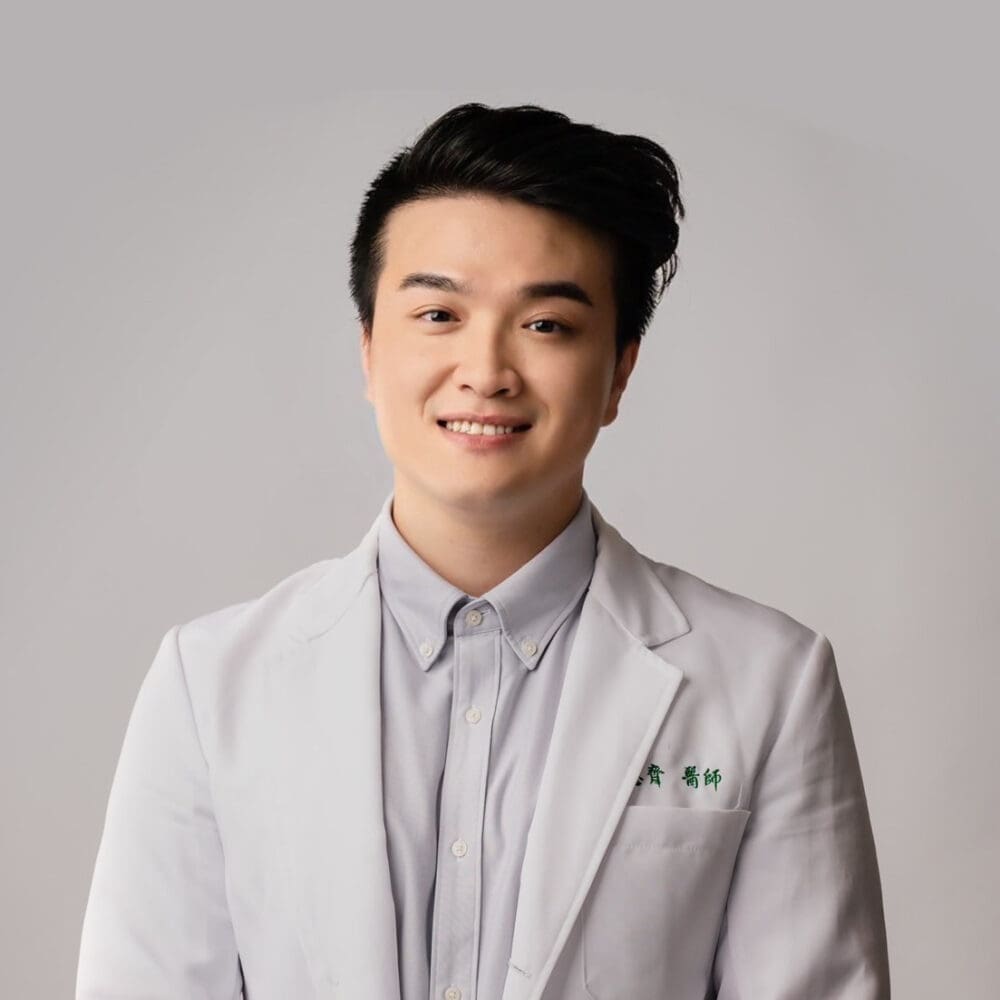
Dr. Huang
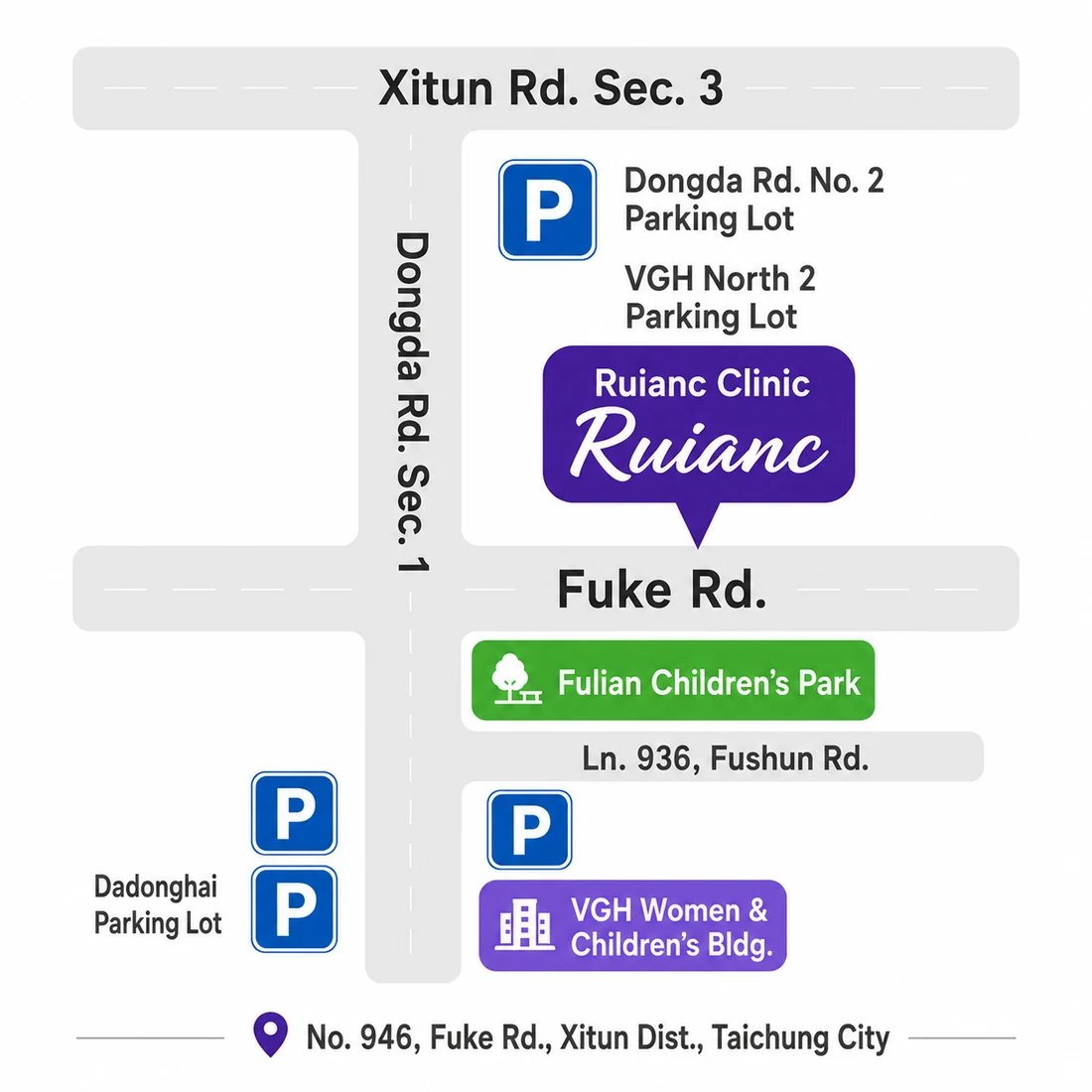
Location and Directions
Behind Taichung Veterans General Hospital・Near Central Taiwan Science Park・Ruilian Tiandi Block D
Saturday afternoon 13:15–17:00; closed Sunday. Latest registration 20:45; hours follow the weekly schedule.
Partner employers: AU Optronics・Winbond Electronics・Corning Taiwan・TSMC・ProMOS Technologies
Frequently Asked Questions
QIt is my first time. Where should I start?
There is no fixed answer; it depends on whether your concern is volume, lines, laxity or tone. The consultation identifies the main issue first, then starts from options with a shorter recovery and more reversibility, rather than doing several things at once.
QHow long do injectable results last?
It depends on the material and your metabolism, usually somewhere between several months and a year or more; botulinum toxin fades gradually. The doctor explains what to expect before treatment.
QIs there a wound? How long is recovery?
Radiofrequency and ultrasound are non-invasive with no wound. Thread lifting is minimally invasive and swelling or tightness is possible afterwards. Recovery depends on the method and the area, and is explained beforehand.
QWill laser treatment cause darkening?
It can, particularly with melasma or darker skin. Sun protection and moisturising afterwards affect the outcome, and the doctor adjusts energy and intervals to your skin. Assessment beforehand is precisely to reduce that risk.
QCan I have several treatments in one visit?
Some combine well, others need spacing. Whether to combine depends on whether the layers conflict and whether aftercare can be managed, judged by the doctor on the day.
QIs aesthetic treatment covered by National Health Insurance?
No. Aesthetic and skincare treatments are self-paid, with the cost explained beforehand. Medical treatment for disease follows NHI rules.
QDo I need to book in advance?
Booking is recommended. Phone and LINE bookings open 30 days before the clinic day and you can choose the doctor and time slot; walk-ins are also accepted, with the last registration at 20:45.