

Dermatology in Taichung
Acne, acne scars, seborrheic dermatitis, eczema, pigmentation and moles, and skin infections, assessed in person by a dermatology specialist who plans tests and treatment around your skin and the type of lesion.
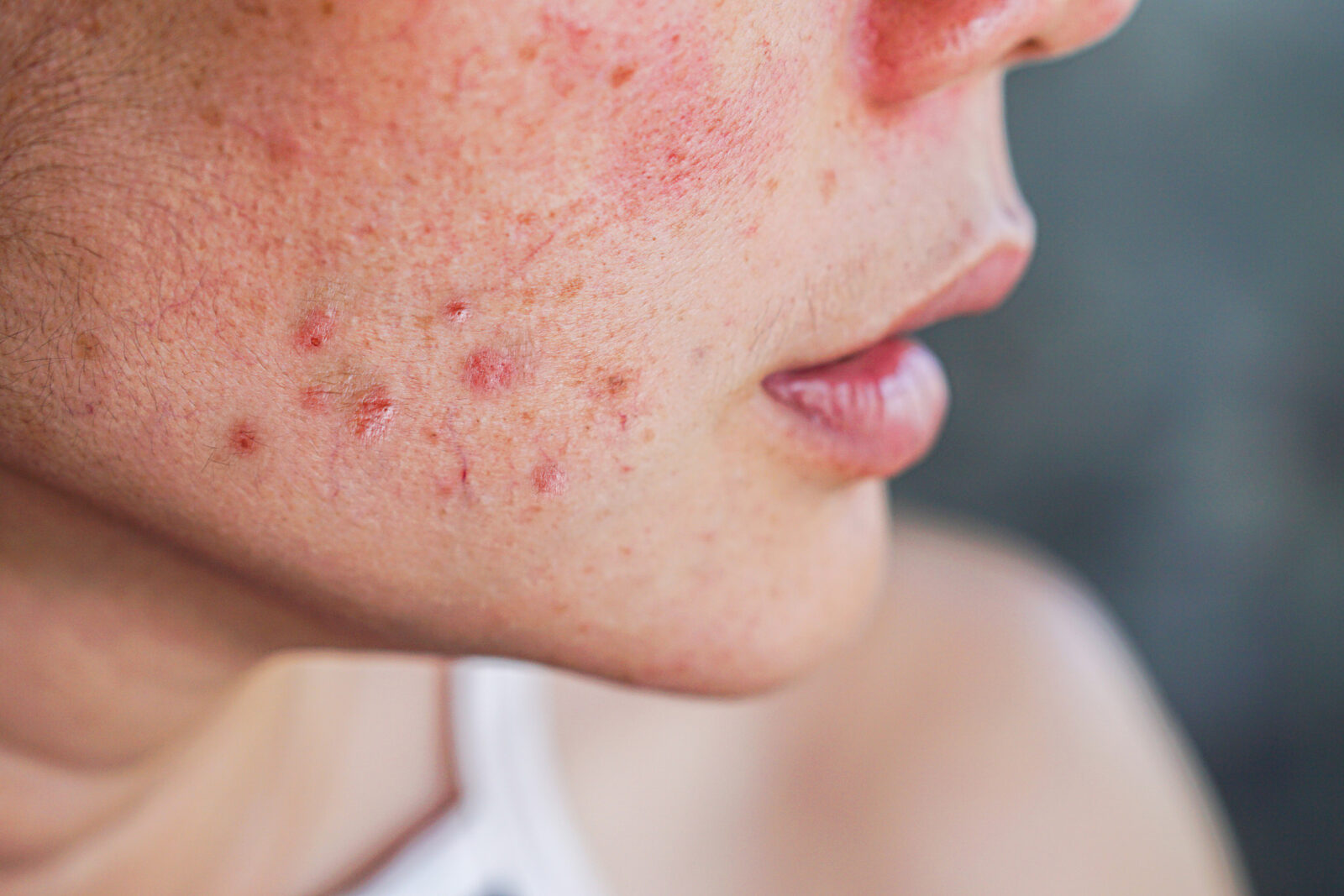
Common Skin Problems
The six problems we see most often in the dermatology clinic. If you are not sure which one applies to you, an in-person assessment is the most reliable way to tell.
Acne and Comedones
Chronic inflammation of the hair follicle. Common in adolescence and it can continue into adulthood. Treating it early helps reduce the chance of scars forming later.
Seborrheic Dermatitis
Appears where the skin is oiliest: scalp, hairline, between the brows, the sides of the nose and behind the ears. It tends to return with seasonal change, stress and irregular sleep.
Learn more →Acne Scars
The right approach and number of sessions depend on the scar type (depressed, raised, pigmented) and its depth, so the type needs to be identified by a doctor first.
Pigmentation and Moles
How a mole is handled depends on its size, nature and location. Any lesion with an irregular shape, rapid growth or a change in colour should be assessed by a doctor first.
Eczema and Dermatitis
Acute and chronic eczema, atopic dermatitis, urticaria, dyshidrotic eczema and pruritus. Finding the trigger is what makes them controllable.
Skin Infections
Athlete's foot, nail fungus, ringworm, tinea versicolor, folliculitis, cellulitis and shingles. Treatment follows once the pathogen is confirmed.
When Should You See a Doctor?
Most skin problems can be watched for a while alongside better basic care, but the situations below are worth an early assessment.
You Can Watch and Wait
- Occasional comedones or the odd small spot, with no redness or pain
- Mild dryness and flaking at the change of seasons that improves with more moisturiser
- A mole that has been stable for years and has not changed in appearance
Worth Seeing a Doctor
- A rash that has lasted more than two weeks, or is spreading
- Spots that keep coming back, turn into cysts, or have already left scars
- A mole with an irregular shape, rapid growth, colour change or bleeding
- Fever, pain or pus alongside the rash
- Itching that disturbs your sleep or daily life
The above is general health information and does not replace an in-person consultation; diagnosis and treatment require assessment by a qualified doctor.
How Treatment Options Are Chosen
The same problem often has several possible approaches, differing in where they act, the pace of the course and the recovery time. The actual combination is decided by the doctor based on your skin and the type of lesion.
| Approach | Worth discussing for | Pace of treatment | Points to note |
|---|---|---|---|
| Topical medication | Mild to moderate acne, seborrheic dermatitis, localised eczema | Daily use at home, reviewed after a few weeks | Can be drying or irritating at first; adjust the amount as directed |
| Oral medication | Moderate to severe, recurrent or widespread lesions | Taken as a course as directed, with regular follow-up | Indications and contraindications must be assessed; do not obtain or stop it on your own |
| Peel treatments | Poor keratin turnover, comedones, uneven skin tone | Several sessions to a course, weeks apart | Sun protection and moisturising afterwards; avoid irritating products at the same time |
| Laser and light therapy | Acne scars, pigmented lesions, some vascular lesions | Multiple sessions, spaced according to the device and energy | Brief redness or crusting is possible; recovery varies from person to person |
| Minor surgery | Lesions needing excision or pathology, and mole removal | A single procedure, with a follow-up for suture removal | Aftercare and changes in the scar need follow-up visits |
Response to treatment varies from person to person. This table is only to help you understand the options before your visit and is not a guarantee of results.
Peels and Skincare Treatments
In-clinic treatments that support keratin turnover and skin condition. Suitability and the number of sessions are arranged after assessment by a doctor.
Glycolic Acid Peel
Removes dead surface skin and supports skin turnover. Often discussed for comedones, rough texture and enlarged pores.

Mandelic Acid Peel
A gentler peel option with lower irritation, often used in discussions about comedones and uneven skin tone.
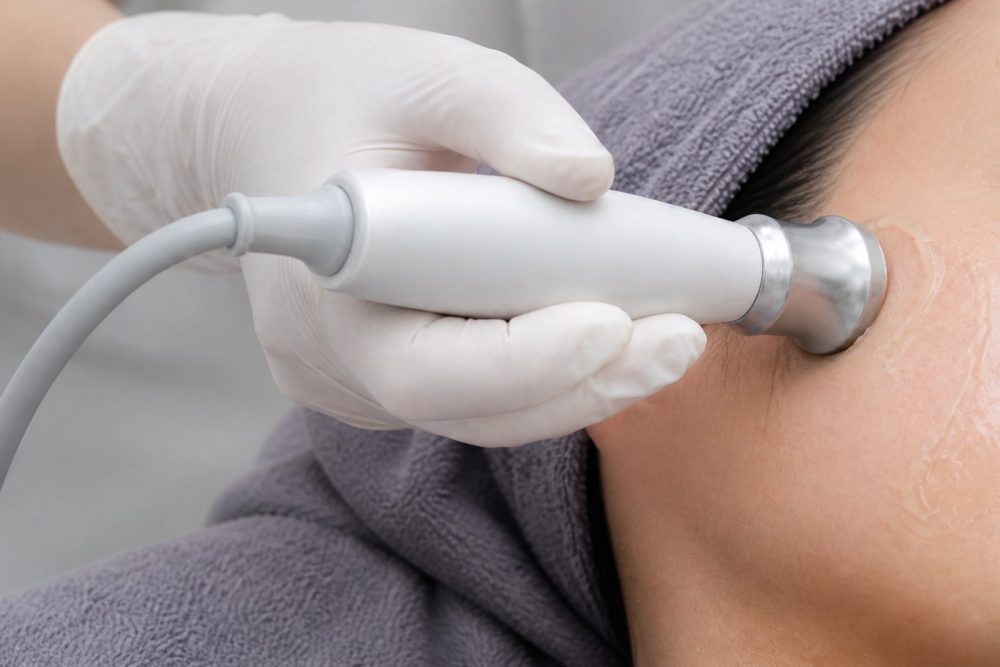
Infusion Care
Ions or ultrasound help skincare ingredients absorb, with the serum matched to your skin by the doctor and nurse.
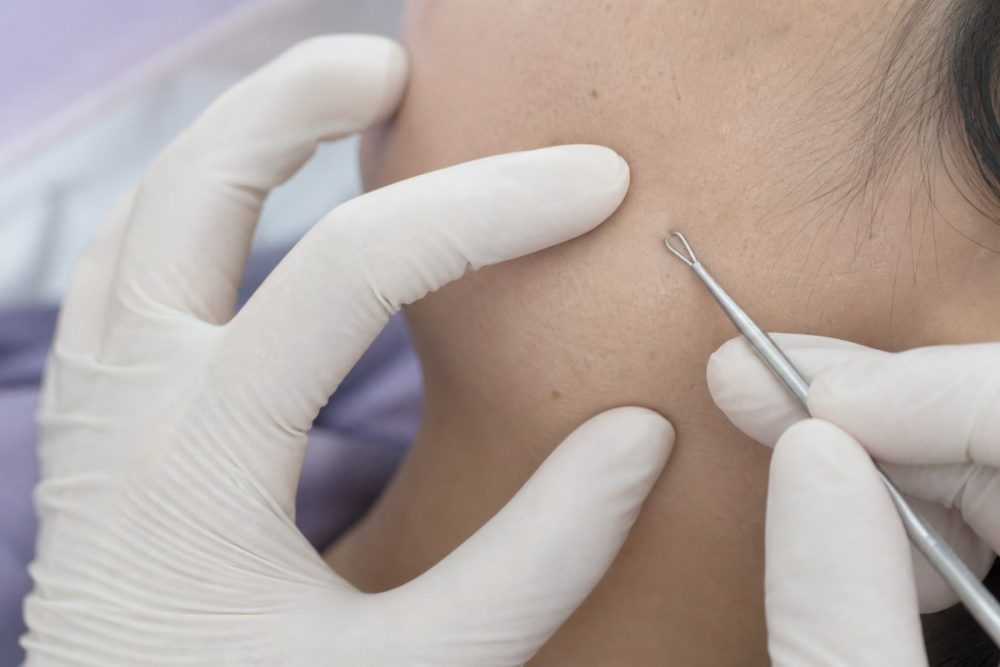
Comedone Extraction
A trained practitioner clears blocked comedones and plugs with instruments, reducing the chance of inflammation and scarring from squeezing them yourself.
Moisture Repair Care
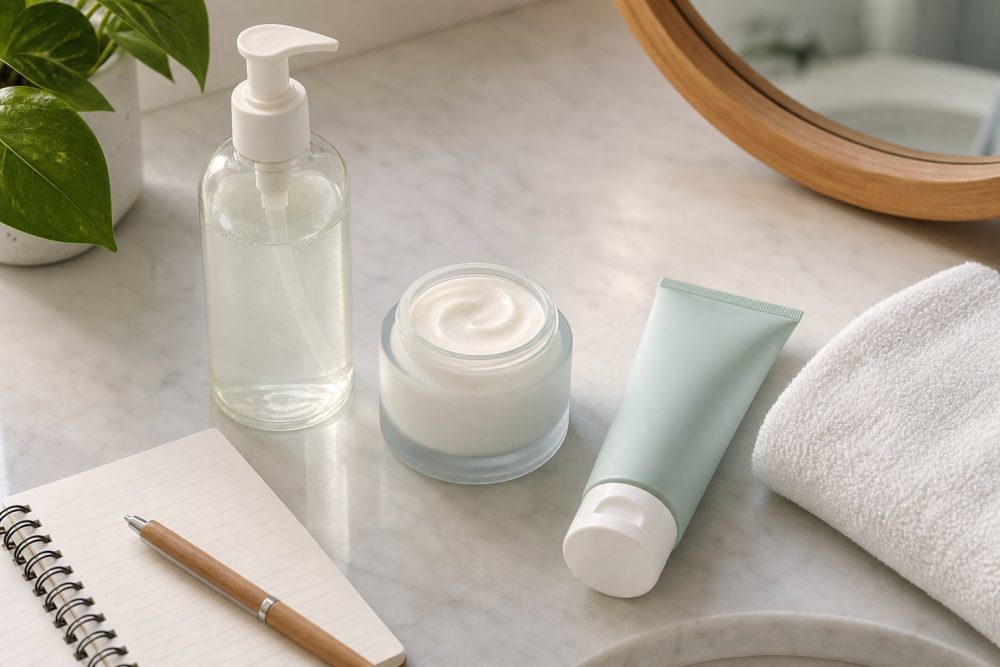
Care for dry, sensitive and post-procedure skin, focused on restoring the skin barrier.

Nutrient Drip
Nutrients given by infusion. The formula and indications are decided after assessment by a doctor; responses vary from person to person.
This article is disease education information. It is not drug advertising and does not recommend or sell any specific medicine.
What a Visit Looks Like
Booking and check-in
Book by phone or LINE from 30 days before your appointment; check in at the counter on the day.
In-person assessment
The doctor asks about your history and medication, looks at how the lesions are distributed, and arranges further tests if needed.
Discussing the plan
You go through the possible directions, the pace, likely responses and precautions, and decide together.
Follow-up
Medication or intervals are adjusted to your response, along with daily care and preventing recurrence.
Our Dermatology Team
Care from dermatology specialists, with clinical backgrounds from National Taiwan University Hospital, Veterans General Hospital and other medical centres.

Dr. Tseng

Dr. Lin
Location and Directions
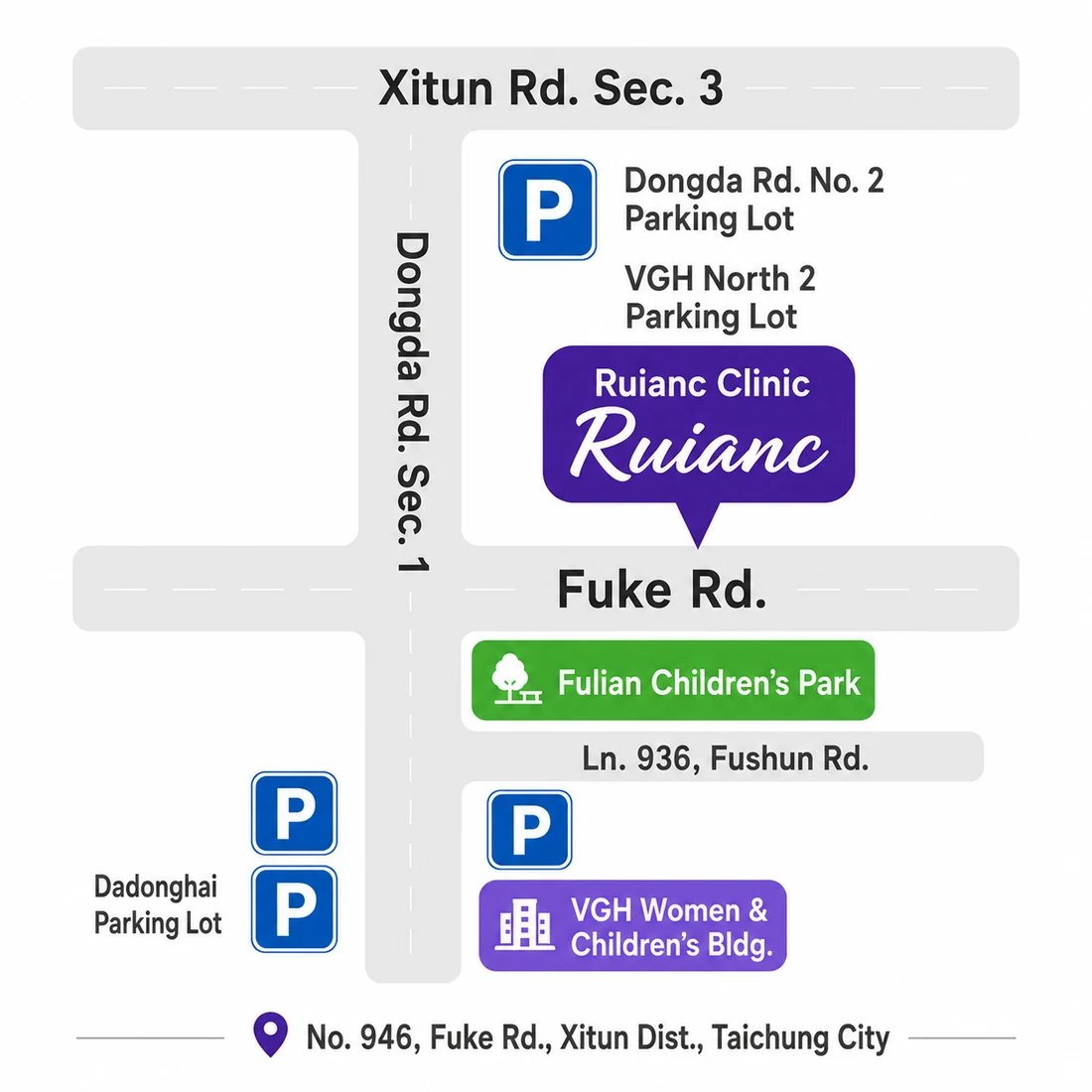
Behind Taichung Veterans General Hospital・Near Central Taiwan Science Park・Ruilian Tiandi Block D
Saturday afternoon 13:15–17:00; closed Sunday. Latest registration 20:45; hours follow the weekly schedule.
Partner employers: AU Optronics・Winbond Electronics・Corning Taiwan・TSMC・ProMOS Technologies
Frequently Asked Questions
QDoes acne always need to be seen by a doctor?
Occasional comedones can be watched with better cleansing and moisturising. If it keeps coming back, turns into red cysts, or has already left scars, an assessment is worthwhile; dealing with it early helps reduce scarring.
QCan seborrheic dermatitis be cleared for good?
Seborrheic dermatitis is a chronic inflammation that tends to recur. The aim of treatment is to control symptoms and extend the stable periods rather than remove it in one go. With treatment plus sleep and stress management, most people can keep it stable.
QCan acne scars still be improved?
It depends on the scar type and depth. Pigmented and depressed scars are handled differently and usually need several sessions; how much they improve varies from person to person, so it is best to have the type identified first.
QWhat should I prepare before a dermatology visit?
Note when the symptoms started, how they changed and any possible triggers, and bring details of the medication or skincare you are using. Come with as little makeup as possible so the doctor can see your skin.
QIs dermatology covered by National Health Insurance?
We are a National Health Insurance contracted clinic and medical treatment follows NHI rules. Aesthetic medicine and some skincare treatments are self-paid, with the cost explained before the treatment.
QDo I need to book in advance?
Booking is recommended. Phone and LINE bookings open 30 days before the clinic day and you can choose the doctor and time slot; walk-ins are also accepted, with the last registration at 20:45. Sessions follow that week's schedule, so it is worth checking before you set off.
QWhere is the clinic, and is parking easy?
The clinic is at No. 946, Fuke Rd., Xitun District, Taichung, behind Taichung Veterans General Hospital in Ruilian Tiandi Block D, near the Central Taiwan Science Park. Several public car parks are a 6-9 minute walk away.