

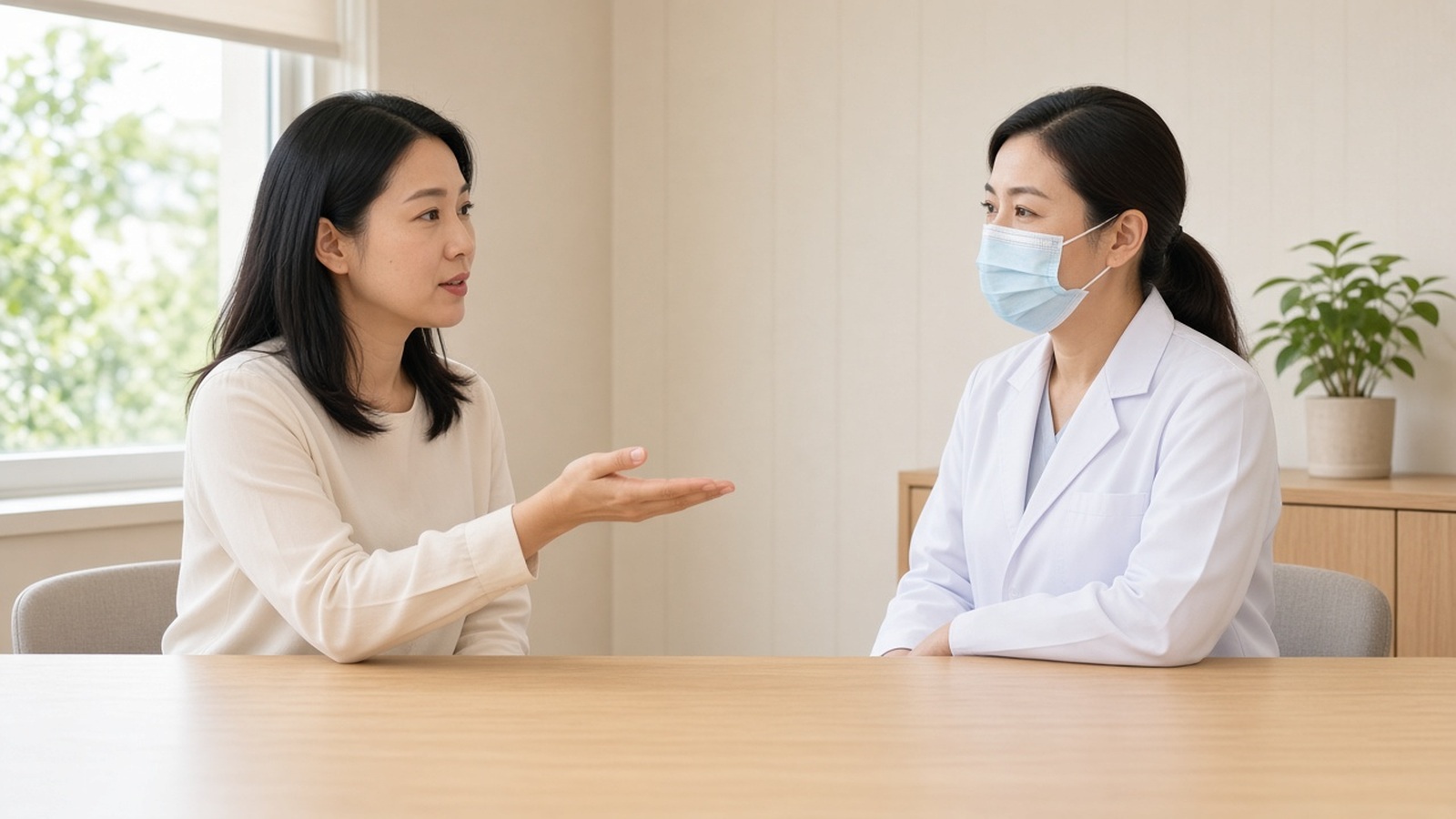
Pain after tearing a hangnail, trimming a nail too short, or having a toe pinched by a shoe, followed by redness, swelling, warmth, and tenderness beside the nail — this is often paronychia. It means the skin around the nail is inflamed, and it can affect fingernails or toenails.
Redness and pain are not always the same problem, though. Some people actually have a nail growing into the neighboring skin. Others have changes in the nail plate from a fungus. A smaller number of cases need other skin conditions or less common infections ruled out. Squeezing, digging, or cutting the area yourself can make things harder to treat.
Key Takeaways: Paronychia is inflammation of the skin around a nail. It may come on suddenly (acute) or last longer and sometimes involve several fingers (chronic). Hangnails, nail biting, cutting nails too short, long stretches in water or contact with detergents, and ingrown toenails can all play a role. If pus is not spreading, the priorities are keeping the area clean and dry and reducing friction and irritation. See a dermatologist promptly if pus appears, redness spreads, you develop a fever, or you have diabetes or poorer circulation. Do not squeeze pus yourself, dig out an ingrown nail, or apply ointments of unclear origin.
What Is Paronychia? Is It the Same as an Ingrown Nail?
Paronychia is inflammation where the nail meets the surrounding skin (the nail fold or nail groove). The area can be red, swollen, warm, and painful, and pus sometimes collects. Acute cases often become noticeable over hours to a few days and usually start on a single nail. If symptoms last about six weeks or longer, the condition is often called chronic paronychia; it may slowly extend from one side and even appear on several fingers.
In Taiwan, a toenail growing into the adjacent flesh — painful when you walk — is often called “凍甲” (dongjia) or an ingrown nail in everyday speech. An ingrown nail means the edge of the nail plate grows into the neighboring skin; paronychia is inflammation of that surrounding skin. The two often occur together, especially on the big toe, but they are not simply two names for the same thing. Paronychia on a finger is not always related to an ingrown nail.
Once the skin around the nail swells and lifts away from the nail plate, water and irritants get in more easily, and the inflammation may linger. After repeated episodes, the nail may develop ridges, thicken, or change color. This takes time to grow out. It does not mean the nail will stay deformed, and a change in appearance does not mean the problem will never settle.
Why Does It Become Inflamed? Who Should Be More Careful?
Acute episodes usually start when a small break in the skin around the nail lets bacteria from the skin surface in. Common situations include hangnails, nail biting or finger sucking, cutting nails too short or down the sides, pushing back or trimming the thin skin at the nail edge during a manicure, and a toenail being pressed until it becomes ingrown. A smaller number of cases look like paronychia but appear as a cluster of distinctly painful blisters; these may be a different infection. Do not puncture them yourself — leave that assessment to a physician.
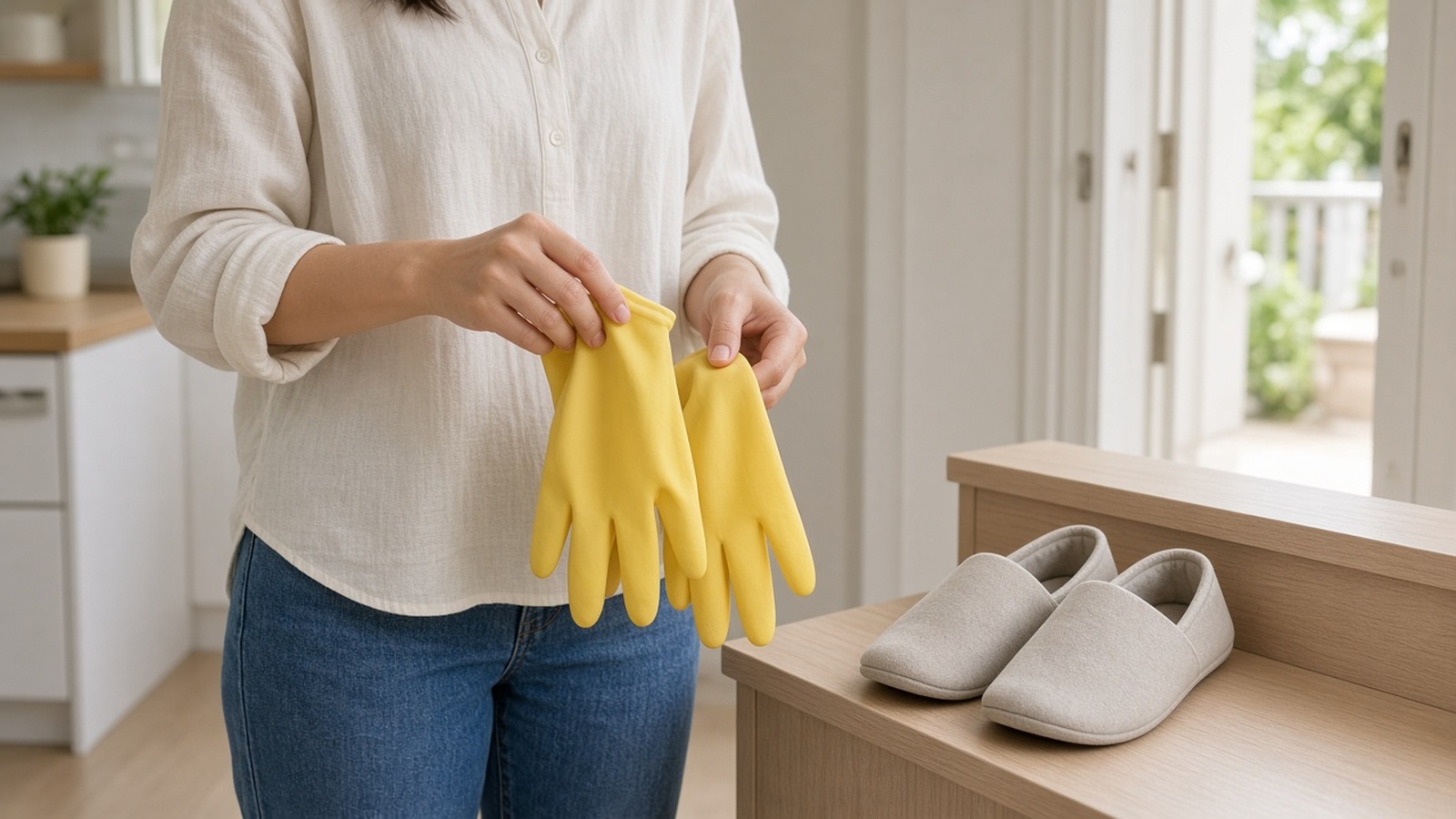
Chronic cases are not always a matter of “infection” alone. Many people first have dermatitis of the nail folds, then prolonged wetness. Washing dishes, cleaning, food service, fishing, hairdressing or nail work, or frequently soaking the hands in water and detergents during housework all make this more likely. People who already have hand dermatitis, poorer circulation in the extremities, weaker immune function, or diabetes may also have a more difficult course. This is not to say that only certain jobs lead to paronychia, or that the work itself is at fault. Repeated wetness, irritation, and tiny breaks in the skin simply make it harder for the nail folds to recover.
A few medications or treatments can also make the skin around the nails more fragile. If you are on long-term medication or receiving other treatment, mention this when you see a doctor; do not stop a medicine on your own.
How Can You Tell It Apart from an Ingrown Nail, Fungal Nail Infection, or Something Else?
Judging by redness or pain alone is not a reliable way to diagnose yourself. The table below only sketches common differences, to help you describe the problem to a physician. It is not a self-diagnosis checklist.
| Condition to distinguish | Possible clues | Limits of this comparison |
|---|---|---|
| Acute paronychia | Rapid redness, swelling, warmth, and pain around a single nail; pus may be visible | Other infections or injuries can also hurt suddenly |
| Chronic paronychia | Lasts longer, may involve several fingers; swollen folds that flare and settle | Often coexists with wet work, irritation, or hand dermatitis |
| Ingrown nail (often called 凍甲 in Taiwan) | The nail edge grows into the flesh, most often on a toe (especially the big toe); pain when walking or in tight shoes | Often occurs with paronychia and still needs a physician to assess both |
| Onychomycosis (fungal nail infection) | The nail plate mainly thickens, changes color, or crumbles; the surrounding skin is not always red and painful first | Can occur together with paronychia; see the guide to fungal nail infection |
| Nail changes from other skin diseases | Psoriasis, for example, can affect nails, or the foot may also have athlete’s foot | One nail is not enough to draw a conclusion; see also athlete’s foot / tinea pedis and psoriasis |
If redness spreads quickly toward the palm or the top of the foot, if a streak of redness appears, if you have a fever, or if the pain makes it almost impossible to bend a finger or wear a shoe, do not keep waiting — seek care promptly. If you already have eczema on the hands or repeatedly handle detergents, you may also want to read about contact dermatitis, but do not assume that all redness around a nail is the same kind of allergy.
How Should You Care for It Daily, and What Should You Avoid Doing Yourself?
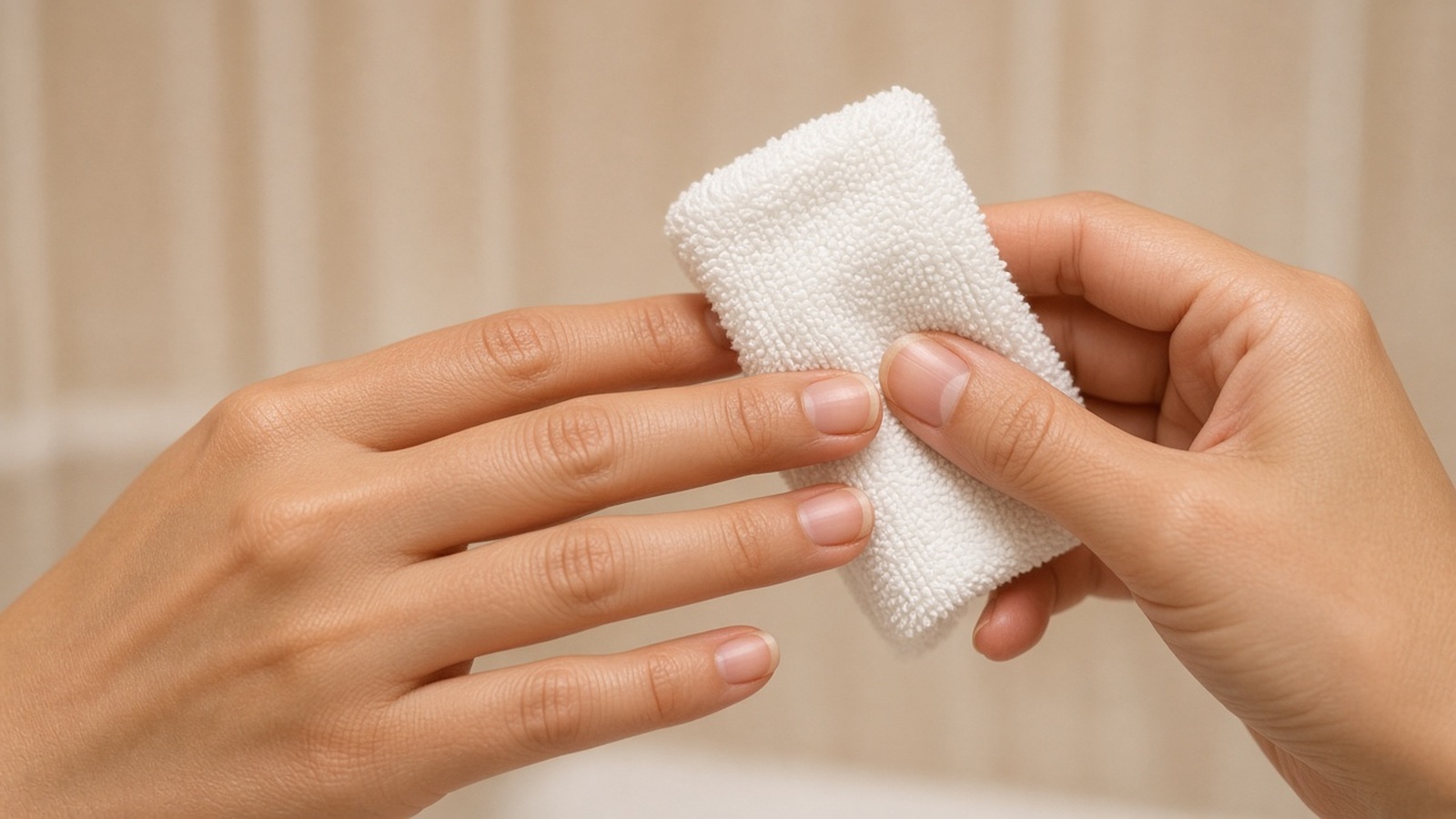
When there is no large collection of pus and the redness is not spreading, the main points are to reduce irritation and keep the area clean and dry. After washing your hands or contact with water, dry the fingers, the spaces between them, and the nail edges thoroughly with a clean towel. If you often work with water or detergents, wear gloves with a moisture-wicking lining and a waterproof outer layer, and avoid leaving the gloves damp and steamy inside; dry your hands after you take them off as well. If the skin is dry and prone to cracking, a milder way of caring for the hands is enough — there is no need to layer on many products at once.
When trimming, cut straight across the free edge. Do not cut too deeply down the sides, and do not cut the nails too short. Do not tear hangnails off; do not dig into the flesh yourself to “free” a sliver of ingrown toenail. Choose shoes that do not pinch the toes, especially when walking or exercising. If manicures, artificial nails, or long-term polish repeatedly break the skin around the nails, it is better to pause during a flare and wait until a physician has examined the area before deciding when to resume.
Do not squeeze pus yourself, pick the area open with a needle or scissors, apply heat, or buy unverified “removal” or antiseptic products to put on the skin. These steps can worsen the infection, drive pus deeper, or leave a wound that is harder to manage. For mild redness and swelling, some people briefly soak the area in clean warm water and then dry it carefully. If there is already an open wound, or a physician has told you not to soak, do not decide the number or length of soaks on your own.
When Should You See a Doctor, and How Might a Physician Treat It?
It is reasonable to seek care if you are unsure whether the problem is paronychia, if redness, heat, and pain persist or worsen, if pus appears, if an ingrown nail keeps cutting into the flesh, if several fingers flare in turn, or if walking, work, or sleep is affected. If you have diabetes, poorer circulation in the extremities, or weaker immune function, do not wait once the skin around a nail becomes red and swollen — have it assessed early.
A physician will usually start with your history and the appearance: whether the onset was sudden or gradual, whether your hands are often wet, whether you bite your nails or trim them closely, whether your shoes are tight, and whether there are signs of fever or spreading. In some cases a sample is taken to distinguish bacteria, yeast, or other causes. Further tests are considered mainly when the appearance is very atypical or the problem has not settled for a long time.
Treatment depends on the type and severity. In an acute case with a clear pocket of pus, the physician may drain it after cleaning the area, then explain how to dress it and whether medication is needed. For chronic flares, the emphasis is often on reducing wetness and irritation first, while also treating dermatitis of the nail folds. If an ingrown nail is also present, only then is there a discussion of whether the nail edge or another procedure is needed. Whether the same approach suits everyone, how long recovery will take, and whether it will flare again cannot be promised in advance. The type of medicine, and whether the nail itself needs to be treated, should be explained by the physician in person. It is not appropriate to copy methods found online at home.
Health Education References
- DermNet: Paronychia
- Cleveland Clinic: Nail Infection (Paronychia)
- NHS: Nail problems
- American Academy of Dermatology: 11 dermatologists’ tips for healthy nails
- American Academy of Dermatology: 12 nail changes a dermatologist should examine
Frequently Asked Questions About Paronychia
Will paronychia go away on its own?
Mild acute redness and swelling without obvious pus sometimes ease after you reduce irritation and keep the area dry. That does not mean it is safe to ignore. If the pain worsens, pus appears, redness spreads, or there is no improvement within a few days, have a physician assess it rather than assuming it will settle if you wait longer.
Can I squeeze the pus out myself or dig out an ingrown nail?
This is not recommended. Squeezing, picking the area open, or digging into the flesh can deepen the infection, cause bleeding, or leave a wound that is harder to manage. If drainage or treatment of an ingrown nail is needed, it should be evaluated and carried out by a medical professional.
Is paronychia the same as an ingrown nail (凍甲)?
Not exactly. Paronychia is inflammation of the skin around a nail. In Taiwan, “凍甲” in everyday speech usually refers to an ingrown toenail — the nail plate growing into the neighboring flesh. The two often occur together, but paronychia on a finger does not always come from an ingrown nail.
Why do people who often wash dishes or clean get repeated flares?
Long contact with water and detergents can soften the skin around the nails and leave tiny cracks, so irritants and microbes get in more easily. The useful steps are drying the hands after work, using suitable gloves when needed, and treating any dermatitis that is already present — not treating the problem as simply “not washing well enough.”
Can it come back after it settles? Is the whole nail always removed?
If wetness, an ingrown nail, nail biting, or cutting nails too short are still there, another flare is possible. In most cases the entire nail is not removed at the outset. Whether medication, drainage, or treatment of part of the nail plate is appropriate depends on the individual situation, and it cannot be promised in advance that it will not return.
This article is for health education and is not a substitute for an in-person medical consultation. Individual diagnosis and treatment should be assessed by a qualified physician.