

Developing recurring, well-demarcated red plaques covered with thick silvery-white scales—sometimes accompanied by cracking, itching, or joint discomfort—may indicate a common chronic inflammatory skin condition known as psoriasis. Psoriasis is neither caused by poor hygiene nor contagious to others; rather, it is closely linked to immune system dysregulation and an accelerated epidermal turnover cycle.
In the early stages, many individuals mistake psoriasis for common allergies, eczema, or simple dandruff, thereby delaying timely evaluation and effective long-term management. Understanding the underlying mechanisms, clinical subtypes, and triggering factors helps establish evidence-based daily care habits and fosters productive collaboration with dermatologists.
Key Takeaways:Psoriasis is a chronic immune-mediated inflammatory skin disorder that is not contagious. Hallmarks include well-demarcated erythematous plaques with silvery scales, commonly affecting the elbows, knees, scalp, and lower back. Management focuses on calming inflammation and regulating keratinocyte turnover. Seek timely professional medical assessment, and avoid aggressive scrubbing or untested remedies.
What is Psoriasis? Understanding Keratinocyte Turnover and Immune Mechanisms
Under normal physiological conditions, epidermal cells generate in the basal layer, mature, and migrate to the stratum corneum before shedding—a cycle lasting approximately 28 days. In psoriatic lesions, however, overactive immune signaling causes specific cytokines to continuously stimulate keratinocytes, dramatically compressing this maturation cycle to just 3 to 4 days. This rapid proliferation causes immature keratinocytes to accumulate on the skin surface, forming thick silvery scales atop inflamed, erythematous plaques.
To learn more about skin barrier impairment and related inflammatory dryness, please explore our guide on causes and management of dry, itchy skin.
Common Types and Clinical Characteristics of Psoriasis
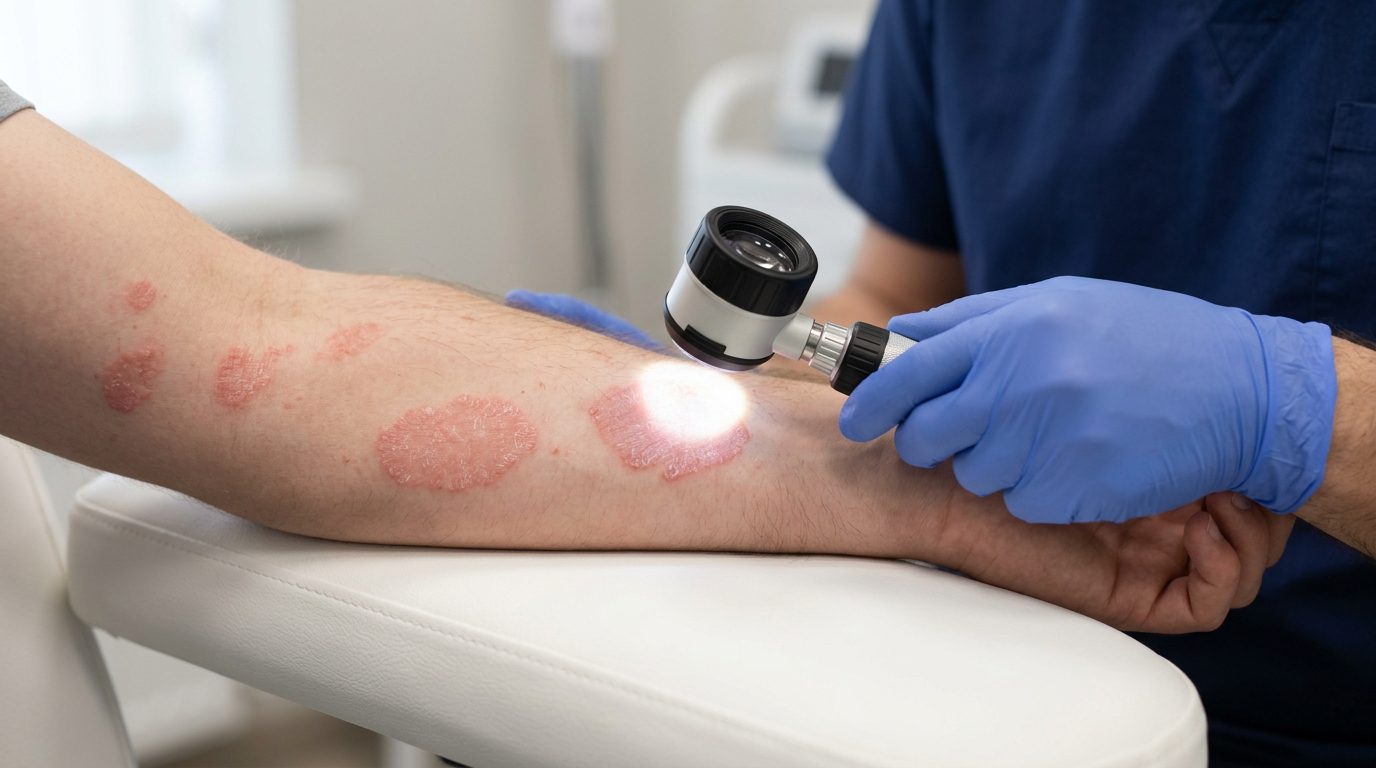
1. Plaque Psoriasis (Psoriasis Vulgaris)
The most prevalent form, accounting for over 80% of all cases. Lesions typically present as sharply demarcated, raised red plaques capped with thick silvery scales, frequently located on the extensor surfaces of elbows and knees, the scalp, lower back, and buttocks.
2. Guttate Psoriasis
Most commonly seen in children and young adults, characterized by small, drop-like red papules scattered across the trunk and limbs. It frequently erupts abruptly one to several weeks following a streptococcal infection, such as acute tonsillitis.
3. Pustular Psoriasis
A less common, acute variant marked by non-infectious, sterile pustules arising on an erythematous base. It may remain localized to the palms and soles or present in a generalized form accompanied by fever and systemic malaise, requiring prompt medical intervention.
4. Erythrodermic Psoriasis
A severe dermatologic emergency in which widespread inflammation, redness, and peeling affect more than 90% of the body surface. Disrupted skin barrier function can lead to impaired thermoregulation, fluid imbalance, and infection risks, often necessitating inpatient care.
5. Nail Psoriasis and Psoriatic Arthritis
Up to half of psoriasis patients exhibit nail changes, including pitting, oil-drop discoloration, subungual hyperkeratosis, or onycholysis. Furthermore, some individuals develop joint pain, morning stiffness, or sausage-like swelling of fingers or toes (dactylitis), known as psoriatic arthritis, requiring multidisciplinary rheumatologic and dermatologic follow-up.
Psoriasis vs. Eczema vs. Seborrheic Dermatitis: A 5-Point Comparison
In its initial stages, psoriasis is often confused with eczema or seborrheic dermatitis due to overlapping redness and flaking. However, distinct differences exist in scale morphology, predilection sites, and underlying pathophysiology. Persistent scalp flaking, for instance, requires careful differentiation between uncomplicated dermatitis and psoriatic involvement.
For greasy yellowish scales and redness on the scalp, read our guide on seborrheic dermatitis management; for recurring allergic rashes, refer to atopic dermatitis care and contact dermatitis overview.
| Feature | Plaque Psoriasis | General Eczema (Atopic/Allergic) | Seborrheic Dermatitis |
|---|---|---|---|
| Lesion Appearance | Sharply demarcated red plaques covered with thick silvery scales | Poorly defined borders, erythema with papules, vesicles, or excoriations | Faintly red patches covered with greasy yellowish or white fine flakes |
| Scale Characteristics | Thick, dry, easily detached upon gentle scraping, showing pinpoint bleeding | Thinner scales, often accompanied by weeping serous exudate or crusting | Greasy, yellowish, oily flakes with an oily sheen |
| Common Sites | Extensor elbows, anterior knees, scalp, lower back, nails | Flexural folds (inner elbows, back of knees), neck, hands, eyelids | Scalp hairline, glabella, nasolabial folds, behind ears |
| Itch Sensation | Mild to moderate itching; often accompanied by tightness and dryness | Typically intense, severe itch, frequently worsening at night | Mild to moderate itch, often triggered or worsened by heat and sweating |
| Contagiousness | No (immune-mediated condition; entirely non-contagious) | No (allergic and skin barrier related; non-contagious) | No (sebum metabolism and flora response; non-contagious) |
Triggers and Aggravating Factors in Psoriasis: Daily Elements to Watch
Psoriasis typically develops from an interplay between underlying genetic susceptibility and external environmental triggers. While inherent genetics cannot be altered, recognizing and minimizing environmental triggers is paramount in reducing flare-ups:
- Emotional Stress and Disrupted Sleep:Prolonged psychological stress, anxiety, and chronic sleep deprivation activate neuroendocrine pathways that intensify systemic immune inflammatory cascades.
- Physical Trauma and Skin Injury (Koebner Phenomenon):Scratches, sunburns, abrasions, tattoos, or body piercings can provoke new psoriatic plaques along the exact site of mechanical cutaneous trauma.
- Microbial Infections:Upper respiratory tract infections, particularly streptococcal pharyngitis or acute tonsillitis, as well as viral illnesses, are well-documented triggers for guttate psoriasis.
- Tobacco Smoking and Heavy Alcohol Consumption:Nicotine and alcohol elevate circulating pro-inflammatory markers; studies indicate smokers face greater disease severity and diminished therapeutic responsiveness.
- Cold, Low-Humidity Climates:Autumn and winter weather, characterized by dry air and indoor heating, accelerates transepidermal water loss, exacerbating scaling and painful fissuring.
- Obesity and Metabolic Syndrome:Excess adipose tissue acts as an active endocrine organ secreting inflammatory cytokines, amplifying chronic inflammation and complicating disease management.
Clinical Management of Psoriasis: Tailored Strategies by Severity
The therapeutic objective in psoriasis is to suppress cutaneous inflammation, decelerate hyperkeratosis, alleviate symptoms, and preserve overall quality of life. Dermatologists implement individualized, stepped management plans based on Body Surface Area (BSA), critical anatomic involvement (e.g., face, nails, joints), and patient well-being:
- Topical Formulations:Indicated for mild or localized plaques, including topical keratolytics, topical vitamin D analogues, topical anti-inflammatory corticosteroids, and topical calcineurin/immune modulators to soften plaques and reduce erythema.
- Phototherapy (Light Therapy):Utilizing narrow-band UVB (NB-UVB) to deliver targeted therapeutic wavelengths, exerting local immunosuppression and slowing rapid cell turnover in moderate-to-severe or widespread disease.
- Oral Systemic Immunomodulators:When topical therapies and phototherapy prove inadequate, oral anti-inflammatory or systemic immunomodulating agents are considered following baseline blood, liver, and renal function evaluations.
- Targeted Biologics:For moderate-to-severe refractory psoriasis or concurrent psoriatic arthritis, targeted biologic agents selectively block pivotal inflammatory cytokines (such as TNF-alpha, IL-17, or IL-23), offering substantial clearance and improved quality of life.
All medical treatments, prescriptions, and dosage regimens require direct in-person evaluation by a licensed physician to assess indications, monitor safety parameters, and manage potential contraindications. Self-medication is strongly discouraged.
6 Essential Daily Home Care Rules for Psoriasis
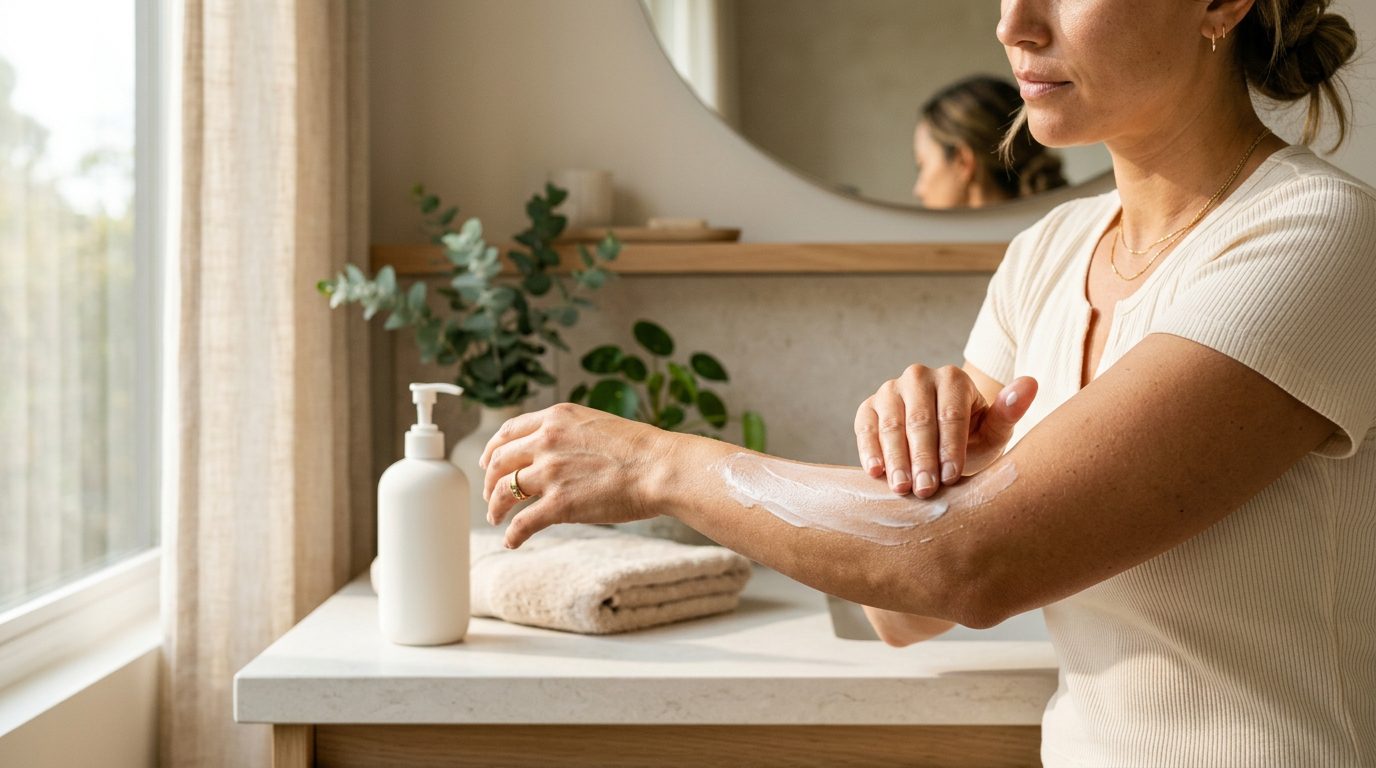
Alongside regular medical care, sound home care routines form the indispensable foundation for maintaining skin barrier stability:
- 1. Gentle Cleansing with Lukewarm Water:Bathe with lukewarm rather than hot water, avoiding harsh alkaline soaps or rough washcloths that strip essential protective lipids.
- 2. Immediate Moisturizing After Bathing:Within minutes after showering, while skin remains slightly damp, apply fragrance-free, hypoallergenic creams or ointments to seal in moisture and repair the barrier.
- 3. Never Pick, Peel, or Scratch Scales:Forcefully tearing scales risks dermal capillary hemorrhage and triggers new lesion formation via the Koebner phenomenon. Manage itch using cool compresses or gentle patting.
- 4. Regular Rest and Stress Reduction:Ensure restorative sleep and engage in moderate exercise or mindfulness practices to stabilize autonomic nervous and immune system activity.
- 5. Smoke Cessation, Alcohol Moderation & Balanced Diet:Eliminate smoking and avoid heavy alcohol intake. Embrace a Mediterranean-style dietary pattern rich in fresh produce, lean proteins, and omega-3 fatty acids.
- 6. Avoid Excessive Sun Exposure and Sunburn:While moderate, gradual natural light can benefit some individuals, overexposure resulting in sunburn can provoke severe flares. Practice sensible sun protection outdoors.
Debunking 3 Common Psoriasis Myths
- Myth 1: Psoriasis is contagious and spreads through casual contact.
Fact: Absolutely false. Psoriasis is a chronic non-communicable autoimmune disorder, not an infection caused by bacteria, viruses, or fungi. Handshakes, hugs, and sharing utensils pose zero transmission risk. - Myth 2: Tonic herbs and immune-boosting supplements help cure psoriasis.
Fact: Unsupervised tonics should be avoided. Psoriasis arises from an overactive and dysregulated immune pathway. Indiscriminately consuming supplements marketed to ‘boost immunity’ can overstimulate inflammatory cells and trigger severe flares. - Myth 3: Excessive scaling means one should scrub harder or exfoliate frequently.
Fact: Never scrub aggressively. Psoriatic flaking results from hyper-accelerated cellular proliferation, not accumulated dirt. Vigorous scrubbing injures the epidermal barrier and broadens active lesions.
When to Seek Professional Dermatologic Care: 5 Warning Signs
Early clinical intervention not only clears active skin lesions effectively but also safeguards against irreversible joint damage in psoriatic arthritis. Seek medical evaluation promptly if you experience any of the following:
- Red scaly plaques persist for more than two weeks without improvement, or continue to spread across extensor joints and trunk surfaces.
- Thick, stubborn plaques form on the scalp, showing zero response to standard over-the-counter anti-dandruff formulations.
- Nails exhibit pitting, yellowish oil-drop spots, thickening, or onycholysis, suggestive of concurrent nail psoriasis.
- Swelling, pain, or morning stiffness develops in finger, toe, heel, or knee joints, indicative of potential psoriatic arthritis.
- Rapid widespread erythema erupts across the body with sterile pustules or fever, representing an acute dermatologic condition requiring urgent attention.
For comprehensive skin evaluations, visit our Dermatology Clinic Overview, or explore our Health Library for more evidence-based dermatologic resources.
Health Education References
- American Academy of Dermatology (AAD) – Psoriasis Clinical Overview
- DermNet NZ – Psoriasis Overview and Management
- National Institute of Arthritis and Musculoskeletal and Skin Diseases (NIAMS) – Psoriasis
- NHS UK – Health A to Z: Psoriasis
Psoriasis is currently understood as a chronic, immune-mediated condition characterized by periods of remission and recurrence. While a one-time permanent cure is not yet possible, modern stepped therapeutic options, adherence to medical guidance, and lifestyle modifications enable most individuals to achieve long-term lesion clearance and maintain high quality of life.
It is advisable to limit heavy alcohol consumption, tobacco use, and highly processed, high-sugar or deep-fried foods. Furthermore, avoid unverified ‘immune-boosting’ supplements that could exacerbate immune dysregulation. A balanced, nutrient-dense Mediterranean diet emphasizing vegetables, fruits, and healthy fats is widely recommended.
Psoriasis carries a clear polygenic hereditary predisposition. If one parent has psoriasis, offspring have an elevated statistical likelihood of developing the condition compared to the general population. However, genetic presence alone does not guarantee manifestation; environmental triggers, infections, stress, and lifestyle play decisive roles.
Common dandruff typically presents as loose, thin, white flakes evenly dispersed throughout the hair. Scalp psoriasis, in contrast, manifests as well-circumscribed, raised, erythematous plaques covered by thick, adherent silvery scales that frequently extend beyond the frontal hairline, behind the ears, or onto the posterior neck.
Moderate natural sunlight containing UV rays may exert mild anti-inflammatory effects in some individuals. However, unsupervised intense tanning carries a high risk of sunburn, which can aggravate the disease via the Koebner phenomenon. Structured light therapy should always be administered using calibrated medical equipment under physician guidance.
Yes. Approximately 10% to 30% of psoriasis patients develop psoriatic arthritis. Characteristic manifestations include red, swollen, tender finger or toe joints, heel pain (enthesitis), and morning stiffness. Notify your dermatologist immediately if joint symptoms arise to ensure prompt co-management.
Physician’s Note: Psoriasis is Non-Contagious; Timely Stepped Care is Key
Psoriasis is a chronic inflammatory disorder driven by immune dysregulation and accelerated cellular turnover; it cannot be transmitted via skin-to-skin touch or shared everyday objects. Many individuals face psychological burdens due to visible plaques and flaking, sometimes turning to unverified remedies or stopping treatment prematurely, which often leads to disease rebound.
Contemporary dermatology provides diverse therapeutic modalities, encompassing topical agents, phototherapy, oral systemic immunomodulators, and targeted biologic treatments. We encourage an open discussion with your dermatologist to tailor an effective, evidence-based management plan suited to your disease severity and lifestyle.
This article is provided for medical educational purposes only and does not constitute a pharmaceutical advertisement or an endorsement of specific commercial products. It cannot replace in-person consultation and personalized clinical guidance from a licensed physician.
Dermatology Medical Team
Dr. Tseng