

Can excessive weight loss really cause hair loss?
The answer is: it can. Rapid weight loss puts the body under obvious stress over a short period. When calories, protein, iron, zinc, B vitamins and vitamin D are insufficient, the body prioritises keeping the heart, brain and liver working, and hair growth is not a priority for survival, so follicles may temporarily enter the resting phase and shedding increases.
This is commonly seen in the situations below.
- Losing a lot of weight in a short period.
- A very low calorie diet over a long time.
- Cutting out carbohydrates, meat or fat entirely.
- Single-food weight loss regimes.
- Prolonged fasting.
- High stress and insufficient sleep while dieting.
- Irregular periods or amenorrhoea after weight loss.
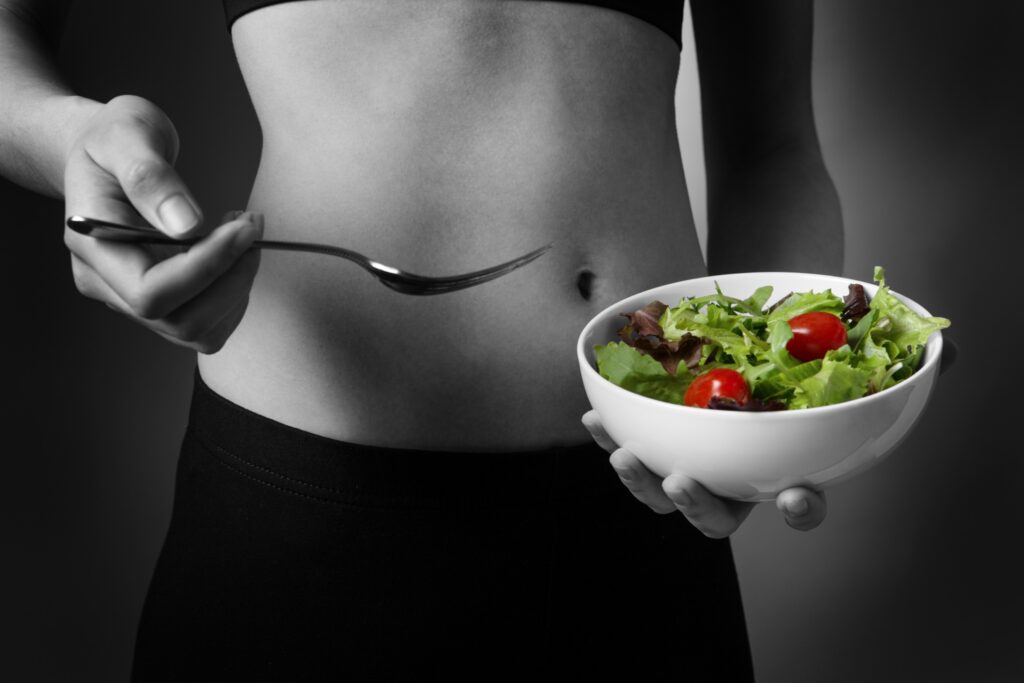
Hair needs enough nutrition to grow
Hair growth needs adequate nutritional support, particularly protein and micronutrients. Many people restrict their eating heavily while losing weight, and although the scales drop, the follicles can be left short of what they need.
Insufficient protein: hair is mainly keratin, so if protein intake is too low while dieting, follicle health can be affected, hair becomes finer and more fragile, and the chance of shedding rises. Good protein sources include eggs, fish, chicken, tofu, soy milk, milk and yoghurt.
Insufficient iron: iron relates to the blood's capacity to carry oxygen, so when it is low, the oxygen and nutrition reaching the follicles may drop and hair growth is affected. Women, long-term dieters and those with heavy periods are more prone to low iron.
Insufficient zinc and vitamins: zinc, B vitamins and vitamin D all relate to scalp health, follicle metabolism and the hair growth cycle. A diet that is too narrow can leave these short and raise the risk of shedding.
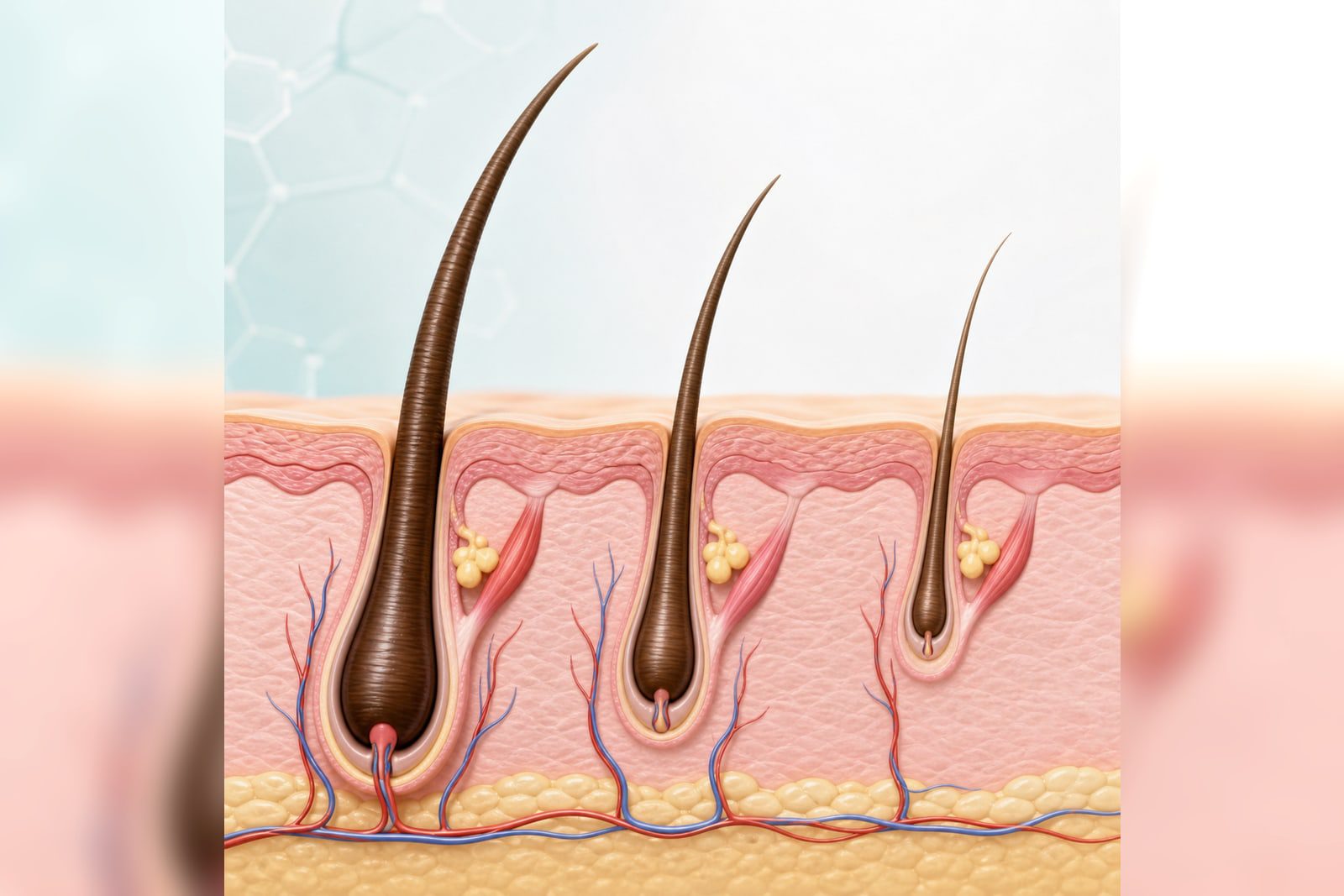
Excessive weight loss and stress-related shedding
Rapid weight loss is not only a nutritional matter; it can also place the body under stress. Long periods of low calories, insufficient sleep and psychological pressure can affect the hair growth cycle.
Hair normally goes through growing, transitional and resting phases. Under stress, more hair may enter the resting phase early, producing heavy shedding weeks to months later. This is telogen effluvium, often called stress-related shedding.
- Clearly more hair coming out when washing.
- More hair on the pillow and floor.
- Overall volume becoming thinner.
- The part widening.
- Usually overall shedding rather than a discrete bald patch.
Excessive weight loss can also disturb hormones
Excessive weight loss can affect hormones, which is more commonly seen in women. When body fat is too low or calorie intake insufficient, the body may reduce the activity of reproductive hormones, leading to irregular or delayed periods, or to periods stopping. Oestrogen relates to hair health, so marked hormonal change can also affect how hair grows.
In men, excessive weight loss, insufficient nutrition or too much training stress can likewise affect overall hormones and metabolism, and with them hair health.
- Lighter or irregular periods.
- Periods stopping.
- Fatigue and feeling cold.
- More shedding.
- Dry skin.
If periods change alongside shedding after weight loss, have body fat and calorie intake assessed too rather than treating the hair alone.
How long before hair recovers after weight loss?
Where shedding after weight loss is mainly nutritional deficiency or stress-related telogen effluvium, most people have a chance of gradual recovery once eating, routine and nutritional state improve.
Hair grows slowly, though, so it usually takes several months to judge. If shedding continues beyond three to six months, volume clearly drops, the scalp shows increasingly, or you also have pattern hair loss, female pattern hair loss, a thyroid problem or anaemia, have it assessed early.
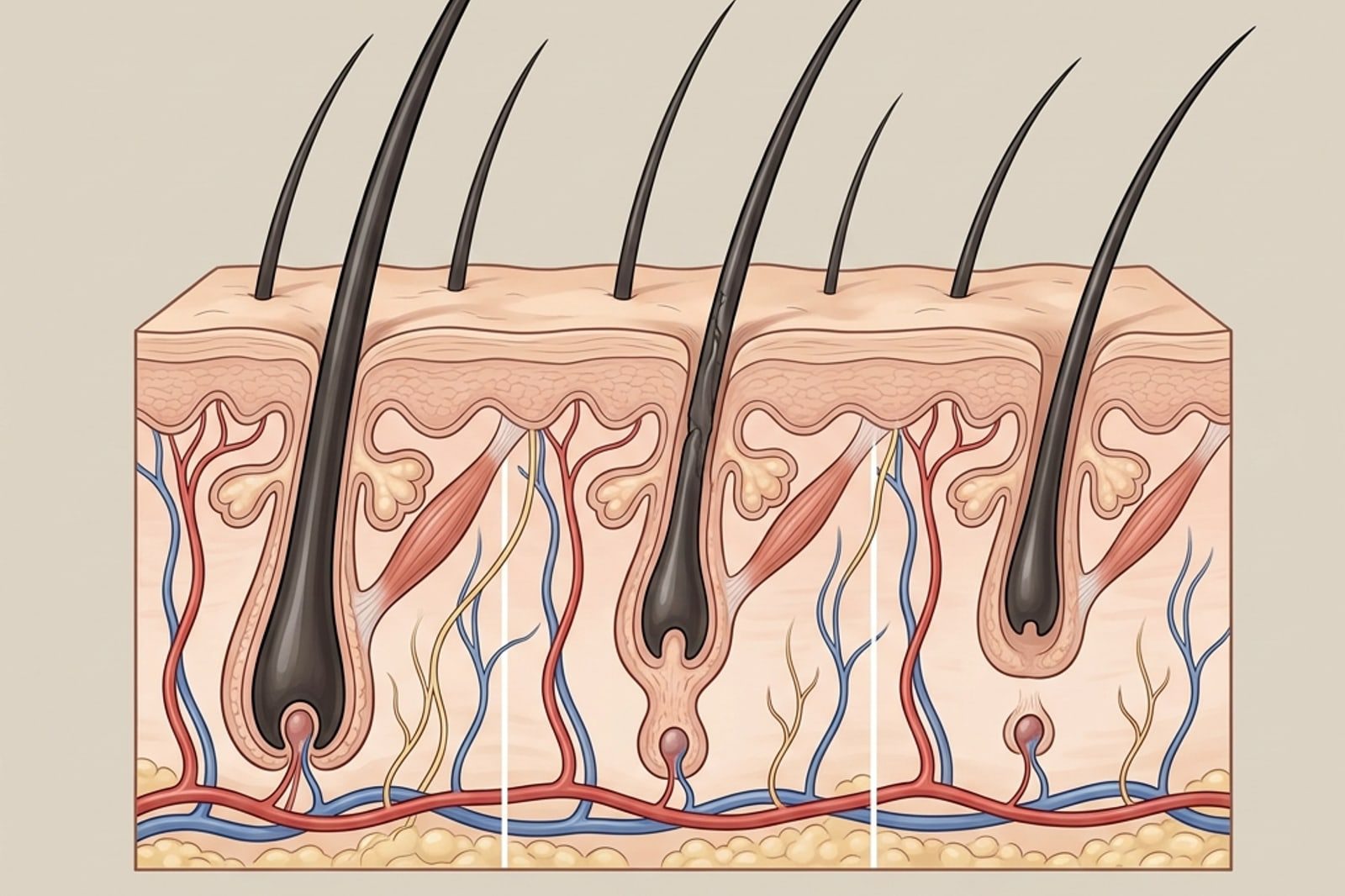
How do you prevent hair loss while losing weight?
The key is not eating as little as possible, but keeping enough protein and balanced nutrition while controlling calories.
| Approach | What it involves |
|---|---|
| Balanced eating | Even while losing weight, get enough protein, vegetables, good fats and a moderate amount of carbohydrate, and avoid an unbalanced diet. |
| Avoid extreme regimes | Long-term very low calorie diets, single-food regimes, excessive fasting and rapid weight loss are not advisable. |
| Get enough protein | Hair needs protein as raw material, so pay particular attention to daily intake while dieting. |
| Check iron, zinc and vitamin D | Where shedding is marked, a doctor can assess whether blood tests of nutritional state are needed. |
| Manage stress | Insufficient sleep, emotional pressure and excessive exercise can all worsen shedding. |
| Keep a regular routine | Late nights and exhaustion affect the body's repair and can affect the scalp and follicles. |
| Get professional help | If shedding keeps increasing, buying hair growth products at random is not advisable; find the cause first. |
What if shedding has already started?
If shedding is already obvious after weight loss, start by adjusting in the directions below.
- Review whether the weight loss was excessive: if weight dropped very quickly or daily calories are very low, rework the plan. Healthy weight loss should be steady and sustainable.
- Increase protein and nutrition: losing weight does not mean eating so little that nutrition falls short. Include quality protein at every meal, with vegetables, whole grains and a moderate amount of good fats.
- Check for anaemia or deficiency: with fatigue, dizziness, pallor, irregular periods or brittle nails, a doctor can assess whether to check ferritin, haemoglobin, zinc, vitamin D and thyroid function.
- Do not take high-dose supplements on your own: shedding is not necessarily from a single deficiency, and excess can burden the body. Have it assessed before deciding.
- Work out early whether another pattern is involved: weight loss can trigger telogen effluvium, but it can also make underlying pattern hair loss more obvious. If the part keeps widening or the hairline recedes, have the follicles examined.
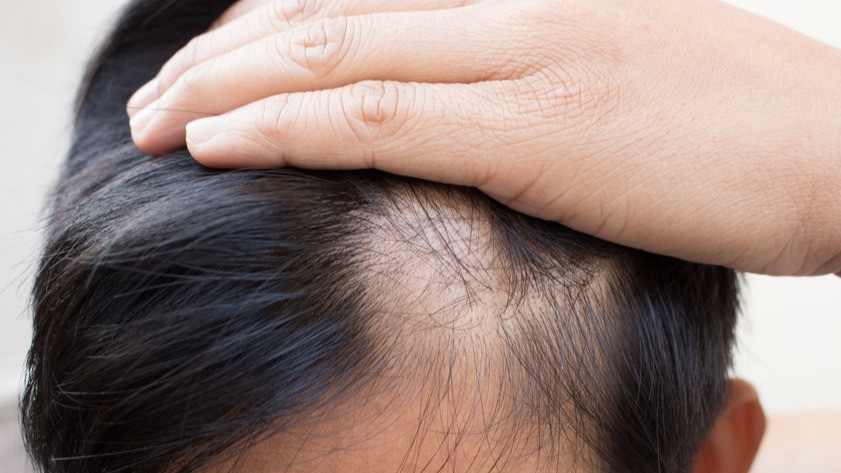
A note from the dermatology team: healthy weight loss matters more than fast weight loss
Excessive weight loss can indeed cause shedding, mainly through malnutrition, increased physical stress, hormonal disturbance and telogen effluvium. Losing weight without affecting your hair depends not on eating as little as possible, but on keeping enough protein and balanced nutrition while controlling calories.
If you have heavy shedding, reduced volume or a clearly visible scalp after losing weight, rather than relying on shampoo or supplements, find the cause first. Scalp and follicle examination, assessment of nutritional state and adjustment of daily habits are what make improvement possible.
- Shedding usually lags weight loss by one to three months, so look back rather than at the present week.
- Confirm first whether this is simple telogen effluvium or weight loss unmasking underlying pattern hair loss.
- Confirm a deficiency is real before supplementing; excess carries its own risks.