

What causes acne? Four mechanisms to understand first
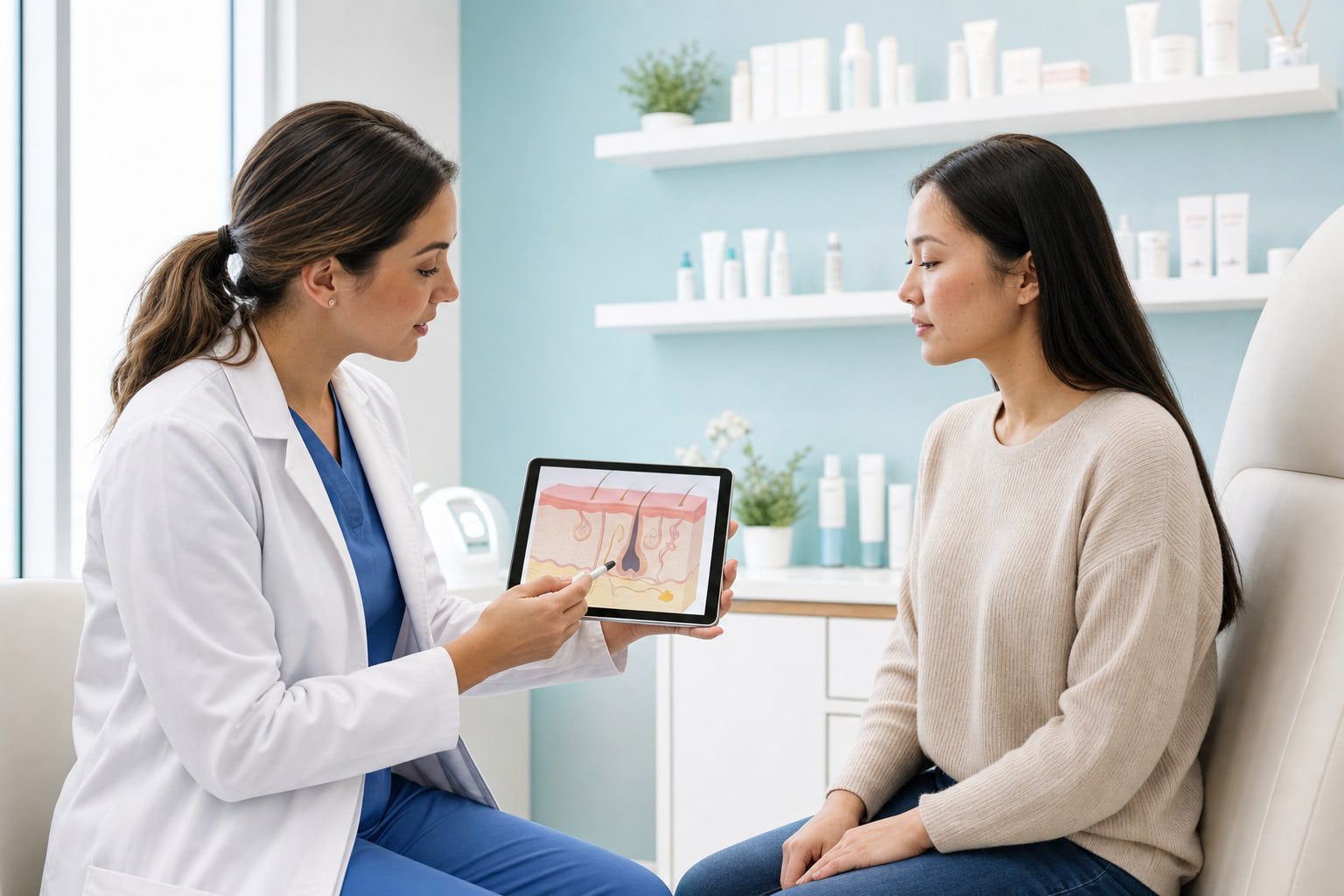
Acne favours the face, chest and upper back, where sebaceous glands are most active. Before looking at treatment it helps to understand the four core mechanisms, because every medical treatment is aimed at interrupting one of them.
One, abnormal follicular keratinisation. When keratinocytes at the follicular opening do not shed normally and build up, they mix with sebum and block the opening, forming closed comedones (whiteheads) or open comedones (blackheads). This is the first step.
Two, excess sebum. Genetics, androgens, heat, stress and late nights all push the sebaceous glands to produce more oil. Excess oil plus a blocked pore creates the environment bacteria need.
Three, proliferation of Cutibacterium acnes. This is one of the normal bacteria on skin and prefers an oxygen-poor, oil-rich environment. When pores are blocked and oil is plentiful it multiplies, breaking down sebum into free fatty acids that irritate the follicle.
Four, inflammation of the follicle and surrounding tissue. Bacterial growth and free fatty acids trigger an immune response, and the follicle and the tissue around it become inflamed. At this point a comedone turns into a red papule, a pustule, or even a deep nodule or cyst.

How does treatment differ by type?
In practice acne is first divided into non-inflammatory (comedonal) and inflammatory (red, pustular), then approached according to severity.
| Type | Typical signs | Main treatment goal | Common medication and methods | Daily care |
|---|---|---|---|---|
| Non-inflammatory (comedones) | Closed whiteheads and open blackheads; grainy to the touch but not red or sore | Encourage keratin turnover, dissolve the plug, prevent further blockage | Topical retinoid, azelaic acid, salicylic acid and similar topicals, used after assessment by a doctor | Choose a light, non-comedogenic moisturiser; gentle exfoliation is possible but avoid over-cleansing |
| Inflammatory (papules / pustules) | Red raised papules and pustules with a yellow-white head, often mildly sore or tender | Reduce inflammation, control bacteria in the follicle, lower the risk of post-inflammatory pigmentation and scarring | Mild to moderate: topical antibacterial (such as erythromycin or clindamycin) or benzoyl peroxide. Moderate to severe: adding an oral antibiotic such as doxycycline | Wash gently and do not squeeze or pick. Favour physical sun protection or a light sunscreen |
| Moderate to severe (nodules / cysts) | Deep, large, firm lesions with marked pain; slow to settle and prone to scarring | Strong anti-inflammatory effect, reduce sebaceous activity, suppress C. acnes, prevent deep tissue damage | Oral isotretinoin, or an intralesional corticosteroid injection; requires detailed assessment and blood monitoring by a doctor | See a dermatology specialist early and do not squeeze; damage to deep tissue causes irreversible pitted scars |
Responses vary from person to person. This table is to help you understand the options before your visit and is not a guarantee of results. Medication is decided by a doctor after assessing indications and contraindications.
Common side effects and how to manage them
Topical or oral, medication that works can also carry side effects. Knowing what to expect and how to respond is often what makes a course of treatment possible to stick with.
Topicals: retinoids, azelaic acid and benzoyl peroxide commonly cause local redness, dryness, peeling, stinging or a purging phase in the first two to four weeks. The usual approach is to start at low frequency, for example every other day, applied thinly, to build tolerance, alongside a gentle fragrance-free moisturiser. If symptoms are marked, pause and return to the clinic.
Orals: an oral antibiotic such as doxycycline can cause stomach upset, nausea or photosensitivity. Oral isotretinoin can cause dryness of the mucous membranes throughout the body, including cracked lips and dry eyes, as well as abnormal liver function and blood lipids, and it is teratogenic. Drink plenty of water and step up sun protection and moisturising while taking it. Women must use strict contraception during and after a course of oral isotretinoin, with regular follow-up and blood tests.
Five daily skincare rules
Alongside medication, what you do day to day directly affects how smoothly treatment goes and how likely scarring is.
- Do not squeeze. Squeezing pushes inflammatory material deeper into the dermis and markedly raises the chance of pigmentation and irreversible pitted scars.
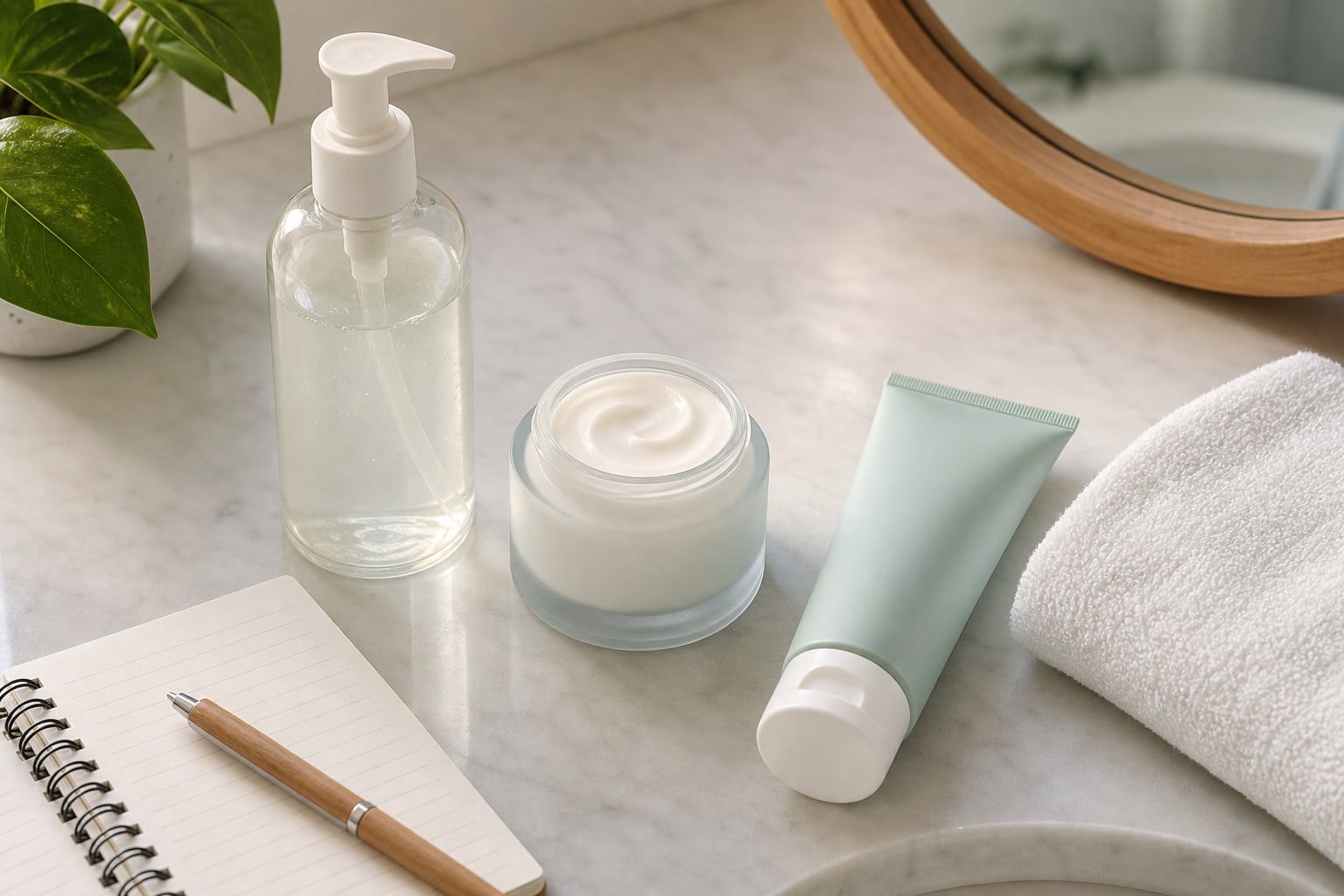
- Cleanse gently and in moderation. Wash once or twice a day with lukewarm water and a gentle cleanser, aiming for skin that does not feel tight afterwards. Avoid cleansing brushes and abrasive scrubs.
- Choose skincare and sunscreen carefully. Prefer products labelled non-comedogenic or oil-free, and avoid heavy foundation.
- Protect against sun and photosensitivity. Many acne medications make skin more sensitive to UV, so use sun protection daily, including hats and masks as physical cover, or a light sunscreen.
- Keep a regular routine and watch the diet. Cut down on high glycaemic index foods such as sweets and sugary drinks, fried food and dairy; avoid late nights, get enough sleep and manage stress.
How long does acne take? Six reasons to see a doctor sooner
Acne is a skin condition that needs long-term management, and treatment usually takes six to twelve weeks before initial improvement shows. Stopping or switching after one or two weeks because nothing has visibly cleared is the most common mistake.
That said, the six situations below are worth taking to a dermatology specialist sooner rather than later:
- Persistent inflammation: spots stay inflamed or pustular beyond eight to twelve weeks without easing.
- Deep nodules or cysts: large, painful, firm lesions under the skin.
- Scarring has started: red marks, pigmentation, or pitted or raised scars.
- Widespread flare: not only the face but large areas of the chest and back are inflamed.
- Hormonal clues: a woman develops sudden severe acne alongside markedly irregular periods, increased body hair or unusual weight gain.
- Medication assessment in special circumstances: pregnancy, trying to conceive or breastfeeding, since several acne medications are teratogenic or raise safety questions and must be assessed by a doctor.
The earlier proper treatment starts, the lower the chance of deep pitted scarring. If anything feels wrong during treatment or you have concerns about a medication, discuss adjusting it rather than layering on more products or trying remedies found online.
A note from the dermatology team
There are many ways to treat acne, and each of them, whether a topical retinoid, benzoyl peroxide, an oral antibiotic or oral isotretinoin, has its own indications, side effects and care requirements. Buying several products and mixing them, or adding remedies found online, tends to irritate the skin, raise photosensitivity and make the inflammation worse.
Treatment is a long process that needs patience, usually six to twelve weeks of steady follow-up before improvement shows. When spots keep recurring, deep painful cysts appear, or clear scarring begins, it is worth having a dermatology specialist set a direction suited to your skin.