


When a patch of skin on the hand, beside the mouth, or on the face suddenly looks lighter than the skin around it—or turns clearly white—many people first wonder whether it is vitiligo. The worries that follow are familiar: Could it spread to family members? Will it keep getting larger? Should something be applied right away?
Skin can lose color for more than one reason. For some people it is tinea versicolor. For others it is a leftover color difference after inflammation. And for some, it really is vitiligo. The name can sound alarming, but vitiligo is not contagious, and it is not a sign that some other part of the body has “gone wrong.” It is more useful to understand what it is, and when a dermatologist should take a look, than to try to match photos on your own.
Key points: Vitiligo is a long-term condition in which the skin loses its usual color. It is currently thought to involve the immune system attacking the cells that make pigment. It is not contagious. How far it will change is hard to predict in advance: some people have only a few patches, while others see more appear over time. Patches often show up on the face, hands, and body folds. They usually are not raised or scaly, and nearby hair may turn white. Areas that have lost color burn more easily in the sun; a severe sunburn or a skin injury may trigger a new patch in some people. Something that looks like vitiligo may instead be tinea versicolor or another color change, so a doctor’s assessment matters. There is no method that can guarantee the color will return or that new patches will not appear, but a doctor can discuss sun protection, camouflage, topical prescriptions, or phototherapy, depending on the extent and how stable the condition is.
What is vitiligo? Does every pale patch count?
Vitiligo means the skin has lost its usual color and shows patches that are lighter, fully white, or slightly pink. The fading happens because the cells that make melanin (melanocytes) become fewer or stop working, so there is not enough pigment in the skin. Melanin does more than set skin color; it also offers a layer of protection from sunlight, which is why depigmented areas burn more easily.
It is considered an autoimmune condition: the immune system mistakenly treats these pigment cells as something to clear away. It is not an infection, and it is not simply a matter of not washing well enough or missing a nutrient. It can appear in anyone, on any skin tone, and at any age. Many people first notice it when they are younger, but it is also common for it to be recognized only in midlife or later.
Not every pale patch is vitiligo. Tinea versicolor, pigment loss after inflammation, and other skin conditions can look similar. Checking in bright light or comparing photos is not a reliable way to confirm the diagnosis.
What does it look like, and will it keep spreading?
Patches can appear anywhere on the body. They are often noticed on the face (especially around the eyes and mouth), the hands, the wrists, and body folds. The lips, the inside of the nose, or the lining of the mouth may also be affected. If a patch develops in a hairy area, scalp hair, eyebrows, eyelashes, or a beard may turn white or gray as well.
To the touch, the skin usually feels much like the surrounding skin. It is typically not painful and does not keep peeling. Some people notice a little itch before a new patch appears, but itch is not a reliable way to tell what it is. The edges may be smooth or irregular; sometimes there is a hint of redness around the patch, or a slightly darker ring.
The extent is hard to predict. Some people have only a few small patches that barely change for years. Others see patches slowly enlarge, or new ones appear elsewhere. It is uncommon for the original skin color to return completely on its own—but that is not the same as saying there is never any chance of improvement once a patch has turned white.
Doctors often distinguish two main types, because follow-up and the conversation about what comes next are not always the same:
- Non-segmental vitiligo is more common. Patches often appear symmetrically on both sides of the body, such as both hands or both knees, and changes may be slow and stop-and-start.
- Segmental vitiligo is less common. It usually affects only one side of the body or one area, may change more quickly for a period, and often settles afterward. This type is relatively more often seen in children than in adults.
The type should be judged by a doctor after an examination. There is no need to classify it yourself first.
Is it contagious? Is it inherited? Why does it happen?
Vitiligo is not contagious. It is not a fungus or a virus, and it is not passed on by sharing meals, sharing towels, or by touch.
It can appear more often in some families, but “someone in the family has vitiligo” does not mean a child will certainly develop it. It is thought to involve multiple genes and the immune system; even with a family tendency, other conditions still need to be present before it shows up.
Triggers or aggravating factors that are often mentioned include a severe sunburn, a cut, a scrape or a burn, and contact with certain chemicals. Stressful events are sometimes raised as well. These are possible triggers. Not everyone can point to a clear cause, and they are not a reason to blame yourself. Patient information from the British Association of Dermatologists also notes that there is currently no evidence of a clear causal link between vitiligo and a particular diet or smoking.
People with vitiligo may also be more likely to have other autoimmune conditions, such as thyroid disease, type 1 diabetes, alopecia areata, or psoriasis. That does not mean everyone will develop each of these. It does mean it is worth mentioning other health issues when you see a doctor. If a patch of hair has also suddenly been lost, see What should you do if a patch of scalp hair is suddenly lost?. If there are also scaly red plaques and psoriasis needs to be distinguished, see What is psoriasis?.
How is it different from tinea versicolor, and when should you see a dermatologist?
In Taiwan, paler patches on the chest or back in summer are often first taken to be tinea versicolor. Tinea versicolor (also called pityriasis versicolor) is related to yeast on the skin surface. The patches may be lighter, darker, or reddish, and fine scale is sometimes seen if the surface is gently scraped. It is not generally considered contagious from person to person in the usual sense, and it is managed differently from vitiligo. A fuller explanation is in What can you do about tinea versicolor?.
You cannot reliably tell the two apart at home just by asking whether a patch is white or whether it itches. During a visit, a doctor will usually ask how long it has been there, whether there has been a sunburn or an injury, and about family and general health. Sometimes a Wood’s lamp (a type of ultraviolet lamp) is used in a darkened room to help with the examination. Blood tests may be done if needed, to look at the thyroid or other related issues; in a smaller number of cases, a small skin sample is taken. These steps are meant to confirm the diagnosis and to see whether anything else needs attention. Not everyone needs every test.
It is reasonable to see a dermatologist sooner rather than later if any of the following apply: new pale or white patches that have not returned to their usual color; patches that are getting larger, or new ones appearing elsewhere; hair in a patch turning white; or uncertainty about whether it is tinea versicolor or another color change. Vitiligo itself is not usually an emergency, but the earlier the distinction is clear, the clearer the basis for deciding whether to treat and how to protect the skin from the sun.
The American Academy of Dermatology notes that the depigmented areas in vitiligo have not been observed to have a specially elevated skin-cancer risk for that reason alone. Even so, skin cancer can still occur, and depigmented skin burns very easily, so sun protection remains necessary. Do not skip protection because of a rumor that “people with vitiligo are less likely to get skin cancer.”
What can you do day to day, and what should you expect from treatment?

Start by preventing sunburn. Depigmented skin lacks pigment protection, and a severe sunburn may trigger a new patch in some people. Outdoors, clothing, a wide-brimmed hat, and glasses that block ultraviolet light can help, along with sunscreen on skin that clothing does not cover. Shade is useful too. Do not use sunbathing or indoor tanning equipment to “darken the surrounding skin so the patches show less.” The contrast is often more obvious, and the chance of sunburn goes up.
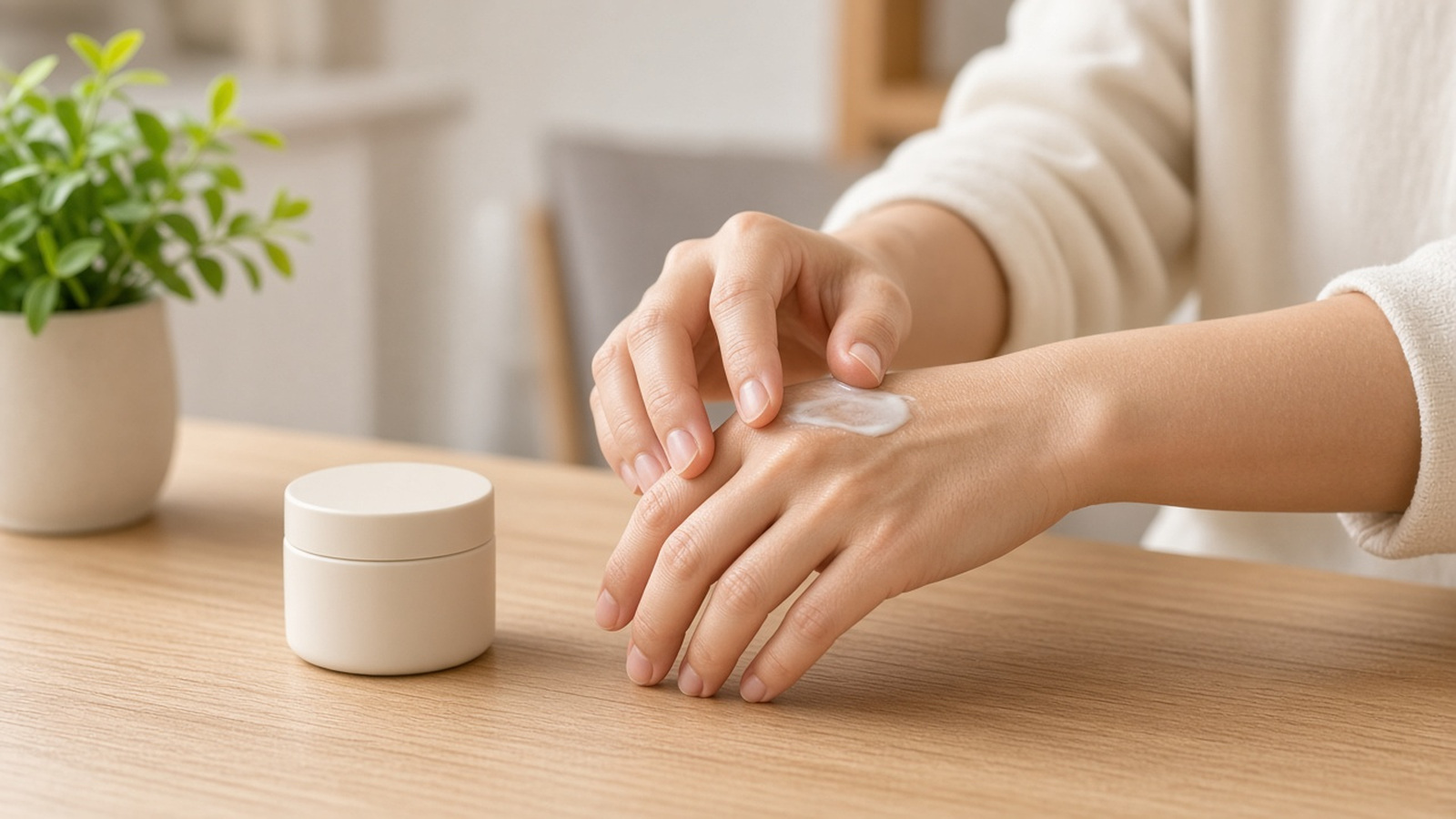
If you want the color to look closer for a time, concealer or a self-tanner is a personal choice, not a requirement. It is best to ask a doctor first about what to use and how, especially on the face or over a large area. Some people consider tattooing over a patch. A tattoo is a wound in the skin, and in some people a new patch of vitiligo can appear at an injured site, so this should be discussed with a dermatologist before any decision.
There is currently no treatment that can guarantee a full return of skin color, or that can guarantee patches will not increase. Depending on the type, the extent, whether it is still changing, and how it affects daily life, a doctor may discuss topical corticosteroids, topical calcineurin inhibitors (ingredients such as tacrolimus or pimecrolimus), or ultraviolet phototherapy. Different sites respond differently; the face usually has a better chance of visible change than the fingertips or the feet. Even when there is improvement, it often comes back slowly, and the color may change again after treatment stops. Not everyone needs active treatment; some people choose to watch, protect the skin from the sun, and use camouflage for now. Whether to treat, and which approach to use, should be explained in person by a doctor. Do not buy unidentified “repigmentation” or “spot-fading” products on your own, and do not adjust a prescription according to advice found online.
With long periods of strict sun avoidance, some people may need to pay attention to vitamin D. Whether to check or supplement is a question for the doctor already involved in your care; there is no need to start a pile of supplements on your own.
If the change in appearance is clearly affecting your mood, that is common, and it is worth saying so. A doctor can discuss support and, if needed, refer you for appropriate help. You can also visit the dermatology clinic to see how an evaluation is arranged.
Health Education References
- American Academy of Dermatology: vitiligo overview
- American Academy of Dermatology: causes of vitiligo
- American Academy of Dermatology: vitiligo self-care
- NHS: vitiligo
- NIAMS: vitiligo
- British Association of Dermatologists: vitiligo patient information leaflet (updated April 2026)
Common questions about vitiligo
Is vitiligo contagious? If someone in the family has it, will others definitely get it?
No, it is not contagious. Vitiligo is not an infection and is not passed on by touch, sharing meals, or sharing towels. If someone in the family has vitiligo, an individual’s chance of developing it may be higher, but that does not mean relatives or children will definitely get it, and there is no need to live in isolation because of it.
How can you tell vitiligo from tinea versicolor? Can you be sure by looking yourself?
Not always. Tinea versicolor more often appears on areas that sweat easily, such as the chest and back, sometimes with fine scale, and the color is not always white. Vitiligo is a color difference from a loss of pigment cells, and the surface usually is not obviously scaly. When the appearance overlaps, a doctor still needs to examine it; a Wood’s lamp may be used if needed. For more on tinea versicolor, see the explanation on this site.
Once vitiligo appears, will the patches definitely keep getting larger?
Not necessarily. Some people have only a few patches that change slowly; others see them slowly enlarge or appear in new places. The extent cannot be guaranteed in advance. Segmental vitiligo more often stabilizes after a period of time; non-segmental vitiligo may keep having new changes on and off. It depends on the actual situation; a single story should not be applied to yourself.
Can you still go out and be in the sun if you have vitiligo?
Yes, you can go out, but depigmented areas burn more easily, and a severe sunburn may trigger a new patch in some people. Clothing and a hat, plus sunscreen on exposed skin, are recommended, and shade is useful when midday sun is strong. Do not use tanning equipment to darken the surrounding skin. Which sunscreen to use, and how to reapply during the day, can be adjusted with a doctor’s advice.
Can vitiligo be cured? What happens if it is not treated?
There is currently no treatment that can guarantee a complete recovery or that can guarantee it will not return. Topical prescriptions or phototherapy help some people, and the face sometimes has a better chance, but results vary by person and by site, and the color may change again later. Not everyone needs to start active treatment right away; some people focus first on sun protection and camouflage. Whether to treat should be discussed with a dermatologist. Do not use products of unclear origin on your own.
This article is health information about a medical condition. It does not replace an in-person consultation. Whether the patches are vitiligo, and whether treatment or a change in care is needed, must be assessed by a qualified doctor.