

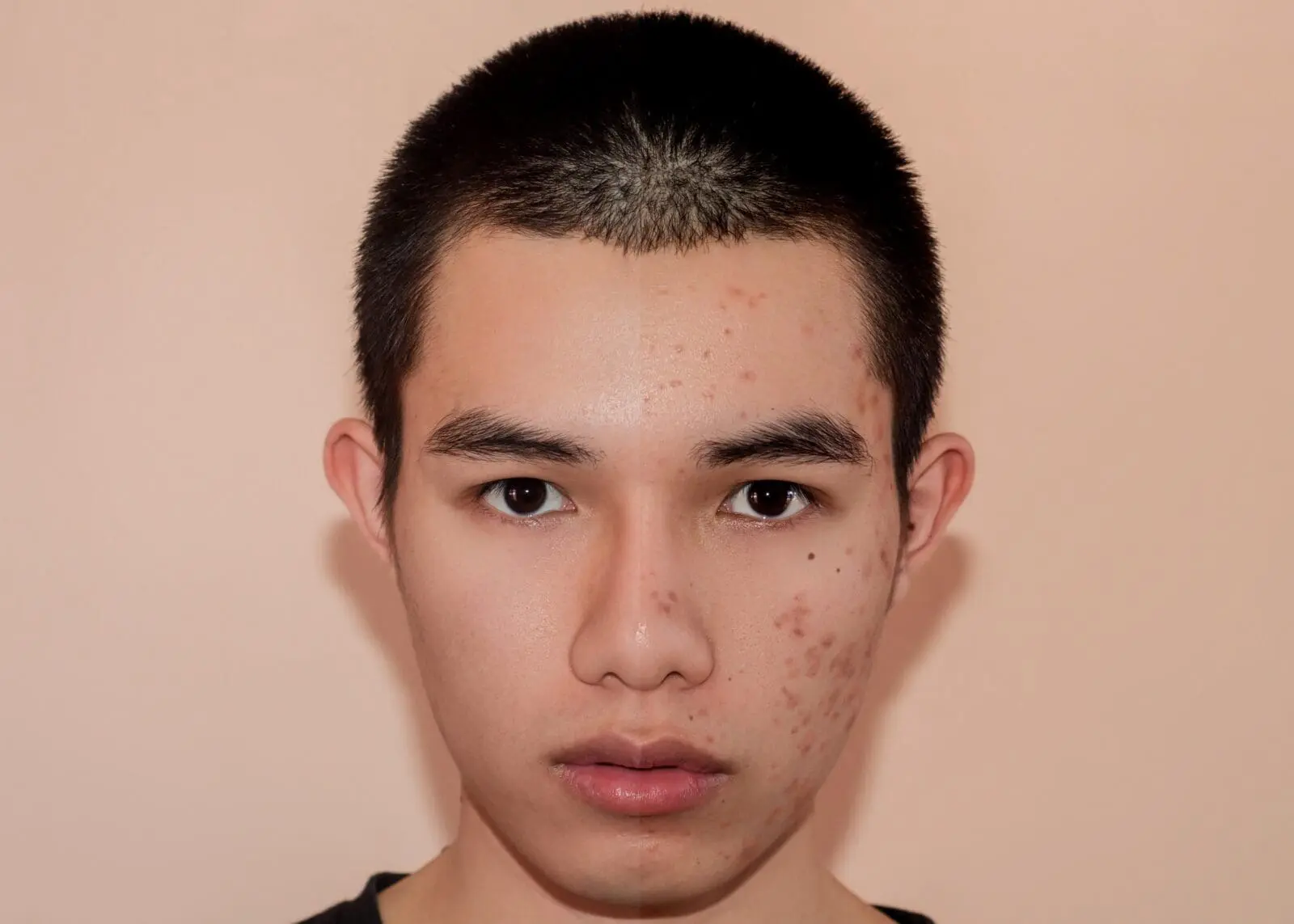
Men’s skin is often oilier with relatively active stratum corneum turnover, and combined with daily shaving, it can easily feel like pores look enlarged or the skin is prone to redness or dullness. When brown spots appear on the face or the backs of the hands, many people first think of “age spots,” but different types of spots actually require different approaches to management.
This article outlines the basic principles of daily cleansing, moisturizing, sun protection, and shaving care for men, and explains when spots should be evaluated by a dermatologist. For the causes and management options of seborrheic keratosis—commonly called age spots—please refer to the full dedicated article: What Are Age Spots? Causes of Seborrheic Keratosis, How to Distinguish Them from Moles, and Management.
Key Takeaways: Men’s skin care typically focuses on gentle cleansing, moisturizing, and thorough sun protection, while reducing skin barrier damage caused by shaving. Brown spots are not necessarily all the same type of “age spot”—when a spot looks unusual, changes rapidly, or remains persistently irritated, it should be examined by a dermatologist. At-home skin care cannot replace a diagnosis; whether laser or other treatments are suitable requires an individual evaluation by a physician based on the type of spot, and it cannot be guaranteed that a spot will definitely fade or never return.
What Are Common Skin Concerns in Men?
In clinical visits and patient-education materials, concerns frequently mentioned by men include:
- Higher sebum production, making the T-zone prone to oiliness, comedones, or more noticeable pores.
- Stratum corneum turnover and cleansing habits affect skin condition, and over-cleansing may cause irritation instead.
- Frequent shaving can cause micro-friction, dryness, stinging, or redness around hair follicles.
- After long-term sun exposure, pigmented spots are more likely to appear on the face, the backs of the hands, or other sun-exposed areas of the body.
These are common patterns rather than issues that every man experiences at the same time, and they also vary with age, lifestyle, and skin type.
What Is a Safe and Practical Approach to Daily Cleansing, Moisturizing, and Sun Protection?
The principle of cleansing is to remove excess oil and dirt without leaving the skin feeling tight. Depending on your skin type, you can choose a gentle or oil-controlling cleanser, and washing once or twice a day is usually sufficient; if the skin is already red or stinging, first cut back on irritating ingredients and vigorous scrubbing.
Moisturizing helps maintain the skin barrier, especially after shaving. Choosing an easily absorbed, low-irritation lotion or cream is enough—there is no need to layer multiple products at once. If a product causes increasing redness or itching with continued use, stop using it first and monitor your skin.
Sun protection is the foundation for reducing photoaging and keeping certain pigmented spots from worsening. Apply an adequate amount of sunscreen before going outdoors and reapply according to your duration of sun exposure; hats or shade can also be used alongside sunscreen. Sun protection cannot make existing spots necessarily disappear, but it helps reduce the cumulative irritation of ultraviolet (UV) rays on the skin.
How Can You Reduce Irritation When Shaving?
Proper care before and after shaving is often more practical than adding another brightening product:
- Soften the beard hair and skin slightly before shaving, and avoid dry shaving with force.
- Use a clean, sharp blade and shave in the direction of hair growth, reducing repeated pressure over the same spot.
- Rinse with clean water or cleanse gently after shaving, then apply moisturizer.
- When the skin is already broken or hair follicles are noticeably red, swollen, or pus-filled, pause irritating shaving practices and consider seeing a doctor.
If firm bumps, pain, or uneven pigmentation repeatedly appear in the same area, do not forcefully squeeze or repeatedly scrub or abrade them on your own.
Are All Brown Spots on the Face Age Spots?
Not necessarily. “Age spots” is a lay term that may be used to describe flat solar lentigines (sun spots), raised seborrheic keratoses, or other pigmented lesions. A small number of skin cancers or changing moles can also look like ordinary spots at first glance.
Therefore, when you notice a spot, a safer approach is to:
- First observe its location, whether it is raised, whether its surface is rough or smooth, and whether there is any itching, pain, or bleeding.
- Have it examined at a dermatology clinic if the spot grows noticeably over a short period, develops multiple colors, has irregular borders, repeatedly bleeds or crusts, or if you are unsure what it is.
- If you mainly want to understand the difference between seborrheic keratosis (often called age spots) and moles, as well as how a physician may evaluate and manage them, please read the dedicated article directly: Guide to Age Spots / Seborrheic Keratosis. For warning signs of changing moles, you can also refer to: Mole Self-Examination and Melanoma Warning Signs.
This article does not treat all brown spots in men as a single condition, nor does it repeat full differential diagnosis or treatment details here.
When Should You See a Physician, and Can You Decide on Treatments Yourself?
Situations where seeing a physician is recommended include: spots that change rapidly, have an unusual appearance, or repeatedly become inflamed or bleed; persistent redness, swelling, or pain in the shaving area; or skin concerns that continue to noticeably affect your appearance and daily life despite basic care, prompting you to explore medical options.
Depending on the diagnosis, the physician will decide whether to monitor the condition, provide local care, or discuss procedural treatments. When pigmented or keratotic lesions are involved, laser therapy, cryotherapy, or other procedures may be evaluated—however, indications, number of sessions, risks, and expected outcomes vary from person to person, so one cannot assume in advance that “a specific device is best for all age spots.”
Intravenous nutritional infusions, “whitening drips,” or unassessed oral supplements are not the standard first step for managing spots; whether any of these are needed should come back to your overall health and a physician’s clinical judgment, rather than being used on your own as a spot-fading treatment.
Frequently Asked Questions About Men’s Skin Care
Is men’s skin thicker, meaning it can handle any kind of irritation?
No. Even if the skin feels relatively resilient, frequent over-cleansing, alcohol-based products, or rough shaving can still damage the skin barrier, leading to dryness, stinging, or inflammation around hair follicles.
Can sunscreen really make age spots disappear?
Sunscreen mainly reduces ongoing UV damage and helps lower the chance that certain spots will worsen, but it usually cannot make existing spots disappear on their own. Whether an existing spot requires treatment depends on confirming its diagnosis first.
Will laser treatment definitely remove age spots?
Not necessarily. The type of spot and your skin condition must be confirmed first; even when procedural treatment is appropriate, treatment response, recovery time, and whether new spots develop later still vary by individual, so outcomes cannot be guaranteed in advance.
Can I buy at-home spot-fading products or remove spots myself first?
It is not recommended to use irritating spot-fading products, caustic agents, or at-home spot-removal tools on your own before a diagnosis is confirmed. Doing so may cause post-inflammatory hyperpigmentation, scarring, or delayed evaluation of other lesions.
How does this article differ from the dedicated “Age Spots / Seborrheic Keratosis” article?
This article focuses on men’s daily skin care and when spots should be evaluated by a physician; for the causes of the condition, how to distinguish it from moles, and management options, please refer primarily to the dedicated age spots article so that the two articles do not duplicate the same full condition guide.
Health Education References
- American Academy of Dermatology: Seborrheic Keratoses Overview
- DermNet: Seborrhoeic keratosis
- American Academy of Dermatology: Men’s Skin Care and Everyday Skin Care Resources
This article provides patient-education information on skin conditions and daily care and cannot replace an in-person medical consultation. Individual diagnosis and management should be evaluated in person by a qualified physician.