

Sudden repeated vomiting, watery diarrhoea and abdominal cramps—especially when family members or housemates become ill one after another—may be caused by norovirus. It spreads easily in homes, schools, childcare, care facilities and shared accommodation.
Most people improve within a few days, but infants, older adults, pregnant people and those with chronic illness or reduced immunity need closer monitoring for dehydration. Symptoms alone cannot identify the pathogen. Seek medical assessment promptly for bloody stool, persistent high fever, severe abdominal pain, altered alertness or inability to keep fluids down.
Key points: Symptoms often begin about 10–50 hours after exposure and usually last 1–3 days. Take small, frequent sips and monitor urine output and alertness. Wash with soap and running water; alcohol hand rub is not a substitute. Do not prepare food for others for at least 48 hours after symptoms stop.
What is norovirus, and is it the same as ‘stomach flu’?
Norovirus is a group of viruses that causes acute gastroenteritis. People of any age can be infected, and a past infection does not provide lifelong protection. ‘Stomach flu’ is an informal term for gastroenteritis and is not the same as influenza, which mainly affects the respiratory tract.
Vomiting and diarrhoea can also result from other viruses, bacteria, contaminated food or non-infectious digestive conditions. A clinician considers timing, shared meals, sick contacts, travel, stool features and examination findings; testing is reserved for selected cases or outbreaks.
What are the symptoms and incubation period?
According to Taiwan CDC information, the incubation period is usually about 10–50 hours and symptoms commonly last 1–3 days. Sudden nausea, vomiting, watery diarrhoea and cramps are typical; low fever, chills, fatigue, headache or muscle aches can occur.
Timing alone cannot confirm norovirus. Bloody stool, marked fever, localised severe pain or worsening illness requires assessment for other infections or an acute abdominal condition.
- Digestive: nausea, vomiting, watery diarrhoea and abdominal cramps.
- General: low fever, chills, fatigue, headache or muscle aches.
- Dehydration: dry mouth, less or darker urine, dizziness on standing or reduced alertness; a young child may have fewer tears or a persistently dry nappy.
Norovirus, bacterial gastroenteritis or influenza?
Symptoms can overlap. This comparison offers clues only and cannot replace a diagnosis. People with severe illness or higher medical risk should be assessed in person.
| Clue | Norovirus | Possible bacterial gastroenteritis | Influenza |
|---|---|---|---|
| Main symptoms | Sudden vomiting, watery diarrhoea, cramps | Diarrhoea, pain and fever; sometimes blood or mucus | Fever, body aches, cough and sore throat |
| Main body system | Digestive tract | Digestive tract | Respiratory tract |
| Common context | Several contacts become ill in sequence | A shared risky food or poor storage | Respiratory exposure and prominent aches |
| Can appearance confirm it? | No | No | No |
| Watch for | Dehydration and clusters | Blood, high fever, severe pain or dehydration | Breathing difficulty, chest pain or complications |
How does norovirus spread, and can it spread after recovery?
Transmission can occur through contaminated food or water, contact with vomit or faeces, touching contaminated surfaces and then the mouth, or droplets generated during vomiting. Infectiousness is greatest during illness, but virus can continue to be shed after symptoms improve.
- Do not prepare or portion food for others while ill.
- Food, childcare, school, accommodation and care workers should follow workplace reporting rules.
- Wait at least 48 hours after symptoms stop before handling food for others or caring for vulnerable people.
- Continue thorough handwashing and avoid sharing unwashed towels or utensils.
How should fluids and food be resumed?
Care is mainly supportive. Replace lost fluid and electrolytes with small, frequent sips if larger drinks trigger vomiting. Children, older adults and people with ongoing diarrhoea may need advice on an appropriate oral rehydration option.
Avoid relying on large amounts of sugary drinks or prolonged self-imposed fasting. Further treatment depends on age, dehydration, medical conditions and examination findings; do not share leftover prescriptions or combine unknown anti-diarrhoeal products.
- Start small: take frequent small sips and increase gradually if fluids stay down.
- Monitor hydration: check urine, mouth dryness, dizziness and alertness.
- Resume food gradually: choose simple everyday foods as tolerated and avoid a large, fatty meal at first.
- Get assessed if vomiting continues: do not keep trying at home if even small sips will not stay down.
Home cleaning: handwashing and managing vomit
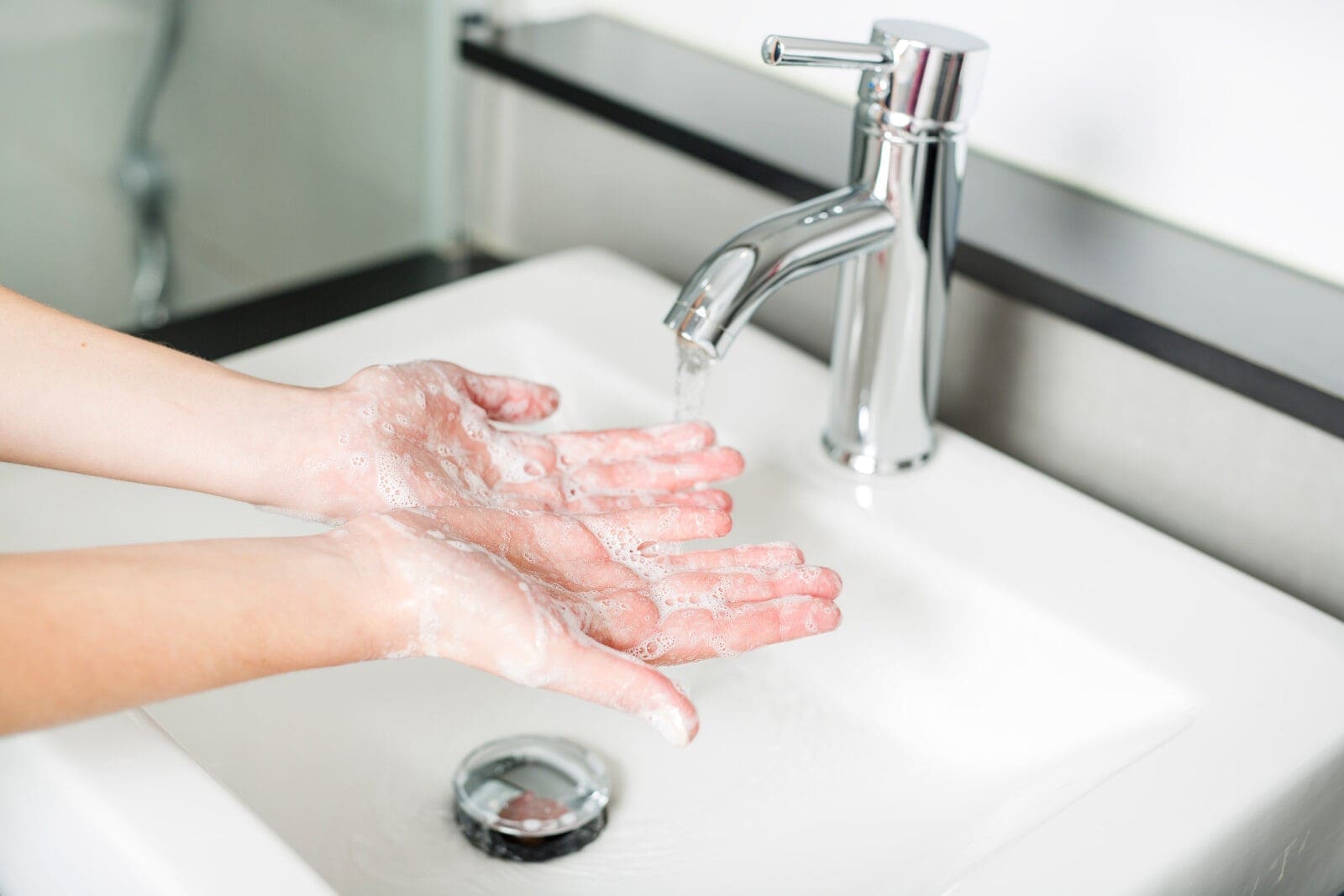
Soap and running water are more important than relying only on alcohol hand rub. Wash carefully after using the toilet, changing nappies or cleaning vomit or faeces, and before preparing or eating food.
Disinfectant concentrations vary. Follow the product label and current public-health guidance, prepare solutions safely and never mix bleach with acids, ammonia or other cleaners.
- Clear the area: keep children, other household members and pets away and ventilate the room.
- Protect yourself: wear disposable gloves, avoid direct contact and wash hands afterwards.
- Remove material first: cover and absorb from the outside inward, then seal waste; avoid vigorous scrubbing and splashing.
- Disinfect next: use a product labelled for norovirus or a chlorine solution prepared according to current Taiwan CDC guidance; observe the stated contact time.
- Wash contaminated laundry: do not shake it; wash separately with detergent and dry completely.
- Never mix products: keep bleach away from acids, ammonia and other cleaners, and avoid incompatible surfaces.
When should you seek medical care?
The ability to drink, urine output, alertness and red-flag symptoms matter more than guessing the virus. Higher-risk people should seek advice earlier.
- Repeated vomiting with inability to keep even small amounts of fluid down.
- Much less urine, dizziness on standing, drowsiness, confusion or reduced responsiveness.
- Bloody or black stool, persistent high fever or severe localised abdominal pain.
- Vomiting or diarrhoea that is worsening rather than gradually improving.
- An infant, older adult, pregnant person, immunocompromised person, or someone with kidney, heart or other chronic disease.
- Several people becoming ill in the same household, school, facility or food-related event.
For these warning signs, arrange an Internal medicine assessment; seek emergency help for altered consciousness, severe dehydration, breathing difficulty or persistent severe pain.
Further reading and sources
The references below support the infection-control and care principles in this article. Recommendations may change, so follow current official guidance and individual medical advice.
Browse the More health articles for more digestive-health guidance. See Clinic information before visiting. Check the latest Clinic hours.
- Taiwan Centers for Disease Control: Norovirus Q&A
- Taiwan Food and Drug Administration: Norovirus and food hygiene
- U.S. CDC: How to Prevent Norovirus
Vomiting, diarrhoea and cramps commonly improve within 1–3 days, but the course varies. Seek care if symptoms worsen, fluids cannot be retained, or blood or severe pain appears.
For at least 48 hours after symptoms stop, do not prepare food for others or care for vulnerable people. Also follow school, workplace and public-health rules; food, childcare and care workers should report their illness.
Alcohol hand rub cannot replace washing with soap and running water, especially after toilet use, nappy changes or cleaning vomit, and before preparing or eating food.
Prolonged fasting is not recommended. Start with small, frequent sips and resume simple foods gradually when fluids stay down. Seek care for low urine output, reduced alertness or persistent vomiting.
Yes. Different strains exist and one infection does not provide lifelong immunity, so hygiene and food-safety measures remain important after recovery.
Remove vomit or faeces with gloves first, then follow the label of a norovirus-effective disinfectant or current Taiwan CDC chlorine guidance. Do not shake contaminated laundry and never mix bleach with other cleaners.
Doctor’s note: focus on hydration and warning signs
Whether fluids stay down, urine output, alertness, bloody stool and severe pain are more useful than trying to identify the virus at home. Higher-risk people should be assessed earlier.
Ruianc Clinic internal medicine and gastroenterology team

Dr. Huang
This article provides general health education and does not replace a medical consultation. Diagnosis and treatment must be assessed by a clinician for the individual situation.