


Asthma is a chronic condition in which the airways become inflamed and narrow at times. Cough, wheeze, chest tightness and breathlessness may come and go, often becoming more noticeable at night, early in the morning, with exercise or during a respiratory infection.
Control involves more than avoiding allergens. It includes confirming the diagnosis, following an individual treatment plan, using inhaler devices correctly, monitoring symptoms and lung function, and knowing what to do when symptoms worsen.
Key points: Recurring night cough, wheeze, chest tightness or breathlessness with exercise should be assessed. Difficulty speaking, blue lips, altered alertness, or symptoms that do not improve after following the action plan need urgent care.
What is asthma, and why do symptoms come and go?
Sensitive airways can become inflamed, tighten and produce more mucus, making airflow more difficult. These changes vary, so the same person may feel very different on different days or at different times.
Asthma can begin in childhood or be diagnosed in adulthood. Allergy, family history, smoke, air pollution and workplace exposure may all affect risk, but no single factor explains every case.
What are common asthma symptoms? Can cough be the only symptom?
Common symptoms are wheeze, breathlessness, chest tightness and cough. A recurring pattern, symptoms at night or early morning, or problems after exercise, cold air or infection make asthma more likely.
Some people mainly have a persistent or recurring cough without obvious wheeze. Postnasal drip, reflux and other respiratory conditions can look similar, so symptoms alone cannot confirm asthma.
How is asthma diagnosed? Can a normal lung-function test rule it out?
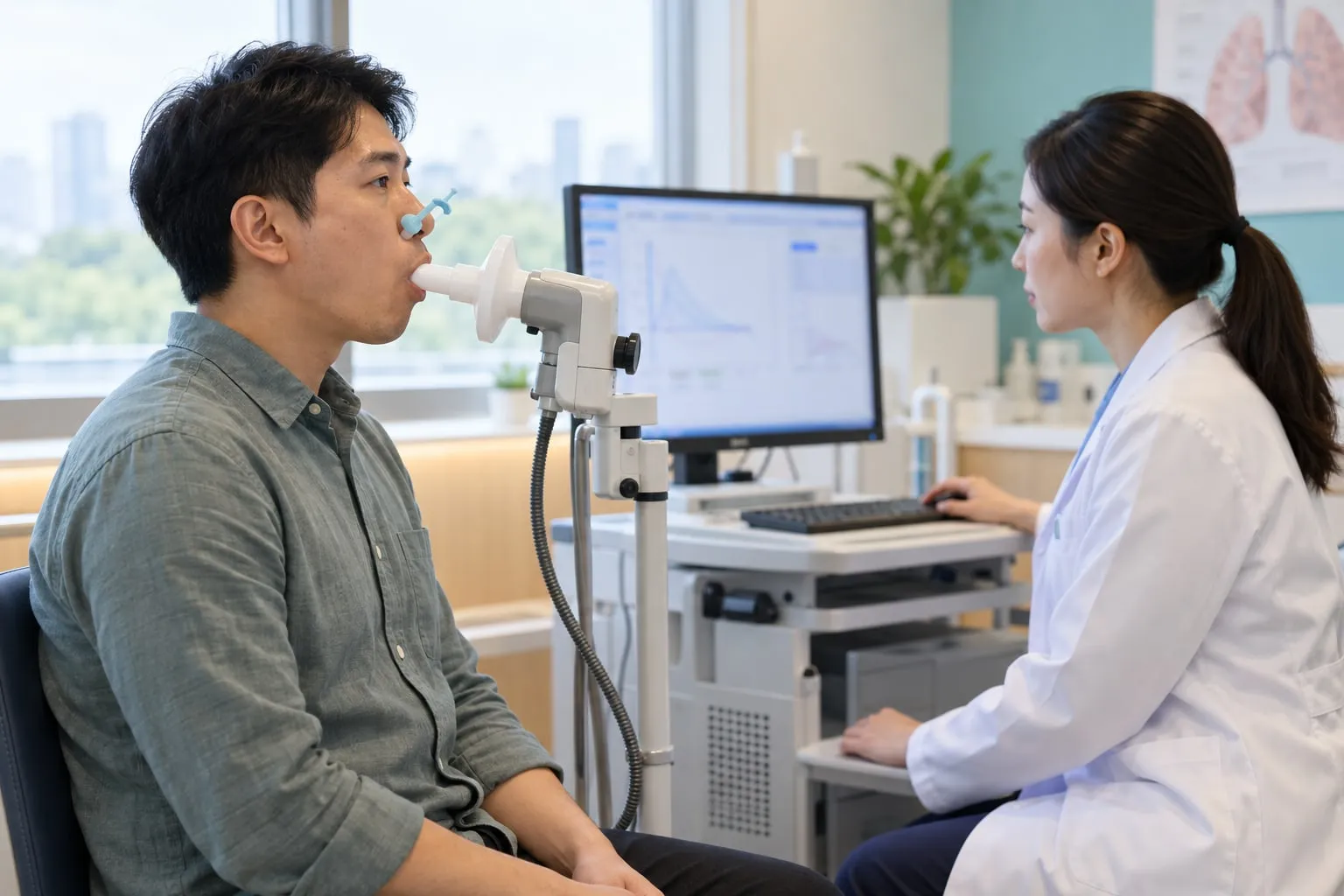
Assessment covers the timing and variability of symptoms, allergy and family history, smoke and workplace exposure, and previous attacks. Spirometry measures airflow and may compare results before and after bronchodilator-class treatment.
Asthma varies over time, and lung function may be near normal when symptoms are quiet. One normal result does not always exclude it; repeat testing, peak-flow records or other tests may be appropriate.
What can trigger asthma? Must every possible trigger be avoided?
- Viral respiratory infections
- Cigarettes, vaping and second-hand smoke
- Air pollution, cold air or abrupt weather changes
- Personal allergens such as dust mites, mould, pollen or animal dander
- Exercise, strong odours, dust or workplace chemicals
- Emotional stress, poor sleep and medicines that an individual does not tolerate
Triggers differ between people and are not necessarily the underlying cause. Recording symptoms, activities, surroundings and treatment timing helps identify patterns without imposing unnecessary restrictions.
Asthma does not mean all exercise must stop. Targeted measures such as avoiding smoke, managing dampness and reducing confirmed exposures are more practical than trying to remove everything.
How is asthma controlled? How do controller and reliever treatments differ?
Care often combines anti-inflammatory controller treatment with reliever treatment that helps open narrowed airways. The plan depends on symptoms, night waking, activity limits, attack history and lung function.
More frequent reliever use, repeated night waking, limited activity or urgent visits are reasons for review. Do not increase, stop or combine treatments without clinical advice.
Why should inhaler-device technique be checked at follow-up?
Inhaler devices differ in preparation, breathing speed, breath-hold and cleaning. Incorrect technique can reduce how much medicine reaches the airways even when the device is used every day.
Technique should be demonstrated and checked when starting, changing devices or when control is poor. Bring the device to follow-up, do not share it, and do not alter technique from online videos alone.
How can you tell whether asthma is controlled? Do you need an action plan?
Control is assessed through daytime symptoms, night waking, reliever use and activity limits, together with attack history and lung function. Few symptoms do not always mean there is no future risk.
A written asthma action plan records regular care, signs of worsening, what action to take and when to seek help. Peak flow should be interpreted against the person’s own best result and plan.
Which asthma-attack warning signs need urgent care?
- Severe breathlessness, inability to speak full sentences or difficulty walking
- Blue lips or face, cold sweating, drowsiness, confusion or reduced responsiveness
- Marked pulling-in between the ribs or persistent breathing difficulty with quieter breath sounds
- Little or short-lived improvement after following the personal reliever plan
- Peak flow in the danger zone defined by the personal action plan
These signs need emergency assessment rather than waiting for a routine appointment. Increasing night cough, wheeze, reliever need or activity limitation also warrants prompt review even before an emergency develops.
How can daily care and clinical follow-up support asthma control?
- Avoid cigarettes, vaping and second-hand smoke
- Target confirmed allergens, dampness or workplace exposures rather than over-cleaning
- Check air quality; a mask cannot replace asthma treatment
- Stay active when control allows and discuss exercise-related symptoms
- Attend follow-up and bring the inhaler device for technique checks
Asthma control is not achieved by trigger avoidance alone, and treatment should not be stopped simply because symptoms have settled. Review considers symptoms, attack risk, lung function, device technique and daily exposures.
Recurring night cough, chest tightness, wheeze or breathlessness with exercise can be assessed at the internal medicine clinic. Visit the health education library for more guidance.
Health Education References
Asthma varies over time. Follow-up reviews lung function, inhaler technique, regular use and future attack risk before treatment is adjusted.
Not always. Relieving symptoms alone may leave airway inflammation unaddressed; the plan depends on symptoms and risk.
Not necessarily. Lung function can be near normal between episodes, so repeat or other testing may be needed.
Usually, when asthma is well controlled. Exercise-related symptoms should prompt a discussion about warm-up, environment and the treatment plan.
No. Cough, tightness or difficult breathing may predominate, and breath sounds can become quieter in a severe attack.
A mask may reduce some pollution, pollen or dust exposure, but it cannot replace regular treatment, correct device technique or an action plan.
Doctor’s advice: even intermittent symptoms deserve attention
A symptom-free period does not prove that future attack risk has disappeared. Night waking, activity limits or rising reliever use need review; trouble speaking, blue lips or altered alertness need emergency care.
This article provides general health education and does not replace an in-person assessment. Tests, diagnosis, treatment and follow-up require individual medical evaluation.
Internal Medicine Team