
Most of the time, high blood pressure has no obvious symptoms and cannot be judged solely by headache, dizziness or physical sensations. A high measurement in a clinic, pharmacy, or at home does not mean a diagnosis has been confirmed; measurement posture, cuff size, caffeine, exercise, emotion, and current pain may all affect the results.
What really matters is that blood pressure records are obtained in the correct way over a period of time, and then interpreted by a physician in conjunction with age, cardiovascular risk, diabetes, kidney disease, medication, and other tests. If you are already being treated, do not stop taking the medicine, add more medicine, or change the way you use it just because a single reading is normal or high.
Focus on : Hypertension often has no symptoms, and diagnosis cannot be based on a single reading. It is recommended to use a proven upper arm sphygmomanometer, record blood pressure at home in the correct posture according to the “722” method, and bring it back to the outpatient clinic for interpretation. If your blood pressure is very high and is accompanied by chest pain, difficulty breathing, sudden weakness, slurred speech, changes in vision, or abnormal consciousness, seek medical attention immediately.
What is high blood pressure? Is it possible to have it without symptoms?
Blood pressure is the pressure exerted on the walls of the arteries by blood flowing through them. Systolic blood pressure is the pressure when the heart contracts, and diastolic blood pressure is the pressure when the heart relaxes; both numbers need to be interpreted. Long-term high blood pressure will increase the burden on the heart, brain, kidneys and blood vessels, but there is usually no obvious discomfort in the early stages.
Headaches, dizziness, palpitations, or tight neck are not necessarily caused by high blood pressure; conversely, the absence of symptoms does not rule out high blood pressure. Regular and correct measurements are more reliable than guessing by feeling.
How to measure blood pressure accurately? What interference should be avoided before taking measurements?
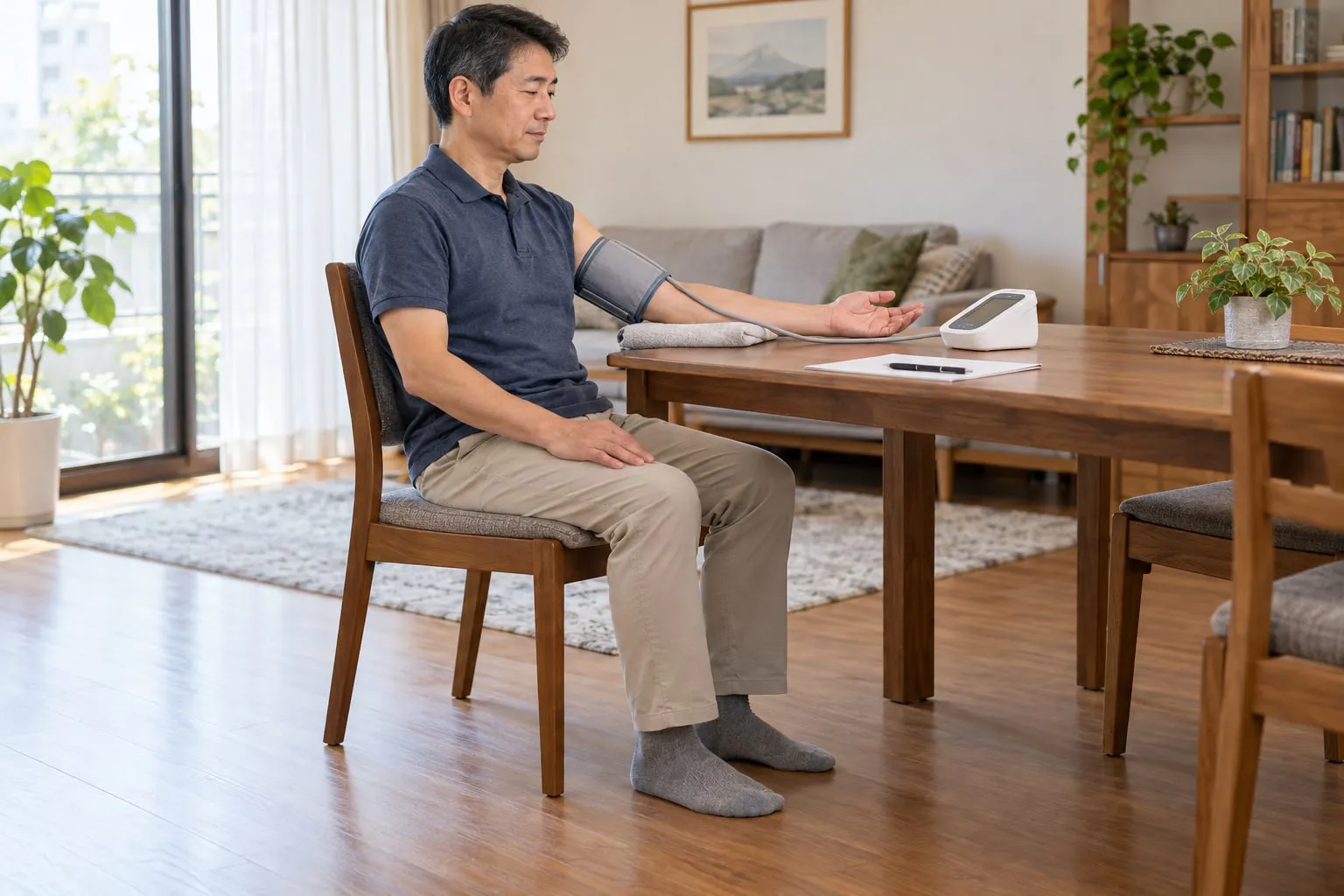
Prefer a validated automatic upper-arm blood pressure monitor with a cuff that fits your arm. Wrist monitors and cuffless devices are more sensitive to position and technique; do not diagnose yourself using only a smartwatch or wearable reading.
- Avoid smoking, caffeinated drinks and strenuous exercise about 30 minutes before measurement, and empty your bladder first.
- Rest quietly for at least 5 minutes. Do not talk or swipe your phone during measurement.
- Sit on a chair with a backrest, your back is supported, and your feet are flat on the ground and not crossed.
- The cuff is placed on the bare upper arm without clothes; the arm is placed on the table and at the same height as the heart.
- Measure twice continuously in the same period, with an interval of about 1 to 2 minutes, and record the date, time and reading.
When using a sphygmomanometer for the first time, you can bring it to the outpatient clinic to confirm whether the size, operation method and reading of the cuff are reasonable. If the difference in readings between the two arms continues to be significant, the physician should also be informed.
What is Home Blood Pressure 722? Does it have to be measured within seven days?
The National Health Department recommends "722" home measurement: for seven consecutive days, take one period each morning and evening, and measure twice in each period. This kind of record can better reflect daily blood pressure than a once-in-a-while measurement, and can also help identify the white coat effect caused by tension in the clinic.
722 is a practical way to establish a baseline, but it does not mean that everyone must always measure at the same frequency. For those who have been diagnosed, have just adjusted their treatment, are pregnant, or have specific diseases, the measurement time and frequency should be arranged by the doctor; when they feel unwell, they should not delay medical treatment in order to fill up the record.
How high is blood pressure at home? Does exceeding the standard once mean high blood pressure?
According to Taiwan’s current adult hypertension guidelines, if the average blood pressure at home reaches a systolic blood pressure of 130 mmHg or a diastolic blood pressure of 80 mmHg or above, further evaluation should be discussed with a physician. However, a single reading will fluctuate, and you cannot make a diagnosis by yourself based on just one exceedance, nor can you apply the same threshold to all ages, pregnancies or special diseases.
The following table offers general next-step guidance for home readings in adults; it is not a self-diagnosis or medication-adjustment table. Physicians consider multi-day averages, measurement quality, clinic readings and individual risk.
| Home measurement situation | possible meaning | Next step |
|---|---|---|
| Multiple-day average below 120/80 mmHg | Generally within the ideal range | Maintain a healthy life and take regular measurements; if you have been treated, follow up as directed by your doctor |
| Multi-day average systolic blood pressure 120–129 and diastolic blood pressure less than 80 mmHg | Blood pressure is higher than ideal | Review lifestyle habits and cardiovascular risks, and follow up on recommendations |
| The average systolic blood pressure for many days reaches 130 or the diastolic blood pressure reaches more than 80 mmHg | It is necessary to evaluate whether it is high blood pressure or the control is not reaching the target | Carry a record and blood pressure monitor, and have a doctor confirm the measurement and overall risk |
| A single extremely high level or accompanied by emergency symptoms | Urgent evaluation may be required | Rest quietly first and then take the test again; if it is still very high and there are warning signs, seek medical attention immediately |
Why is blood pressure different in the clinic and at home? What are white coats and masked hypertension?
Some people have high blood pressure due to stress in the clinic, but the average blood pressure is lower when they go home, which is called white-coat hypertension; there are also people who look normal in the clinic, but have high blood pressure at home or at work, which is called masked hypertension. Neither can be determined with just one inter-clinic reading.
Your doctor may ask you to take home records or arrange for 24-hour ambulatory blood pressure monitoring if appropriate. If there is a big difference between home and clinic, confirm the blood pressure monitor, cuff and posture first, and then discuss whether further examination is needed.
What does a physician assess when hypertension is diagnosed or suspected?
Assessment is more than just repeated blood pressure measurements. Physicians will look at family history, diet and salt, weight changes, activity, sleep, smoking and drinking, medications or supplements being used, and whether there are cardiovascular, diabetic, renal or endocrine diseases.
Depending on the individual’s condition, blood, urine, electrocardiogram or other tests may be ordered to evaluate organ effects and whether there are secondary causes. If the level is significantly elevated at a young age, if it suddenly becomes difficult to control, if there is hypokalemia, changes in kidney function, or if there are signs of sleep apnea, the doctor should be informed.
What lifestyle changes can help? Do I have to avoid all salt?
Hypertension management focuses on long-term implementability rather than short-term extreme limitations. Reduce processed foods, soups, pickles, and high-sodium seasonings, and increase the amount of vegetables, fruits, whole grains, beans, fish, eggs, meat, and non-overprocessed foods that suit you. However, people with kidney disease, heart disease, or specific electrolyte problems should not increase their intake of high-potassium foods or supplements on their own.
Regular activity, maintaining an appropriate weight, quitting smoking, limiting alcohol consumption, and improving sleep may all affect overall cardiovascular risk. If weight, waist circumference or metabolic problems coexist, Weight Loss Clinic can assist in establishing a sustainable diet and activity plan; the actual method still needs to be adjusted according to age, joints, cardiopulmonary and chronic disease conditions.
Do I need to take medicine for high blood pressure? Can I stop taking medication on my own after my blood pressure becomes normal?
The need for medication depends on repeated blood pressure results, overall cardiovascular risk, diabetes, kidney disease, cardiovascular disease or organ effects, and the response to lifestyle changes. Different blood-pressure-lowering treatment classes have distinct uses and precautions; treatment is not chosen from one number alone.
Normal readings after treatment may mean that the current regimen is effective, but it does not mean that the high blood pressure has disappeared. Do not stop taking medicine, increase or decrease the dosage, or mix other people’s medicines just because it is low, high or asymptomatic on a certain day. If you have dizziness, postural discomfort, heartbeat changes or other concerns, record the time of occurrence and blood pressure and contact your doctor.
What is the relationship between high blood pressure, diabetes and kidney disease?
hypertension, diabetes and chronic kidney disease can affect each other and jointly increase cardiovascular risks. When blood glucose or kidney function is abnormal, blood pressure goals, test frequency, diet and medication choices may need to be individualized.
Even if you are not feeling uncomfortable, you should follow your doctor’s instructions to track your kidney function, urine protein, blood sugar, blood lipids and other risks. Don’t look at a single number on a blood pressure monitor and ignore your overall health.
How high does blood pressure require emergency treatment? Which symptoms cannot wait?
If the systolic blood pressure is 180 mmHg or the diastolic blood pressure is above 120 mmHg, stay quiet and retest in the correct manner. If the value is still very high and any of the following symptoms occur at the same time, you should seek emergency help immediately. Do not double the medication and wait at home:
- Chest pain, chest tightness, obvious difficulty breathing or cold sweats.
- Sudden face distortion on one side, weakness or numbness in hands and feet, unclear speech, and difficulty in understanding.
- Sudden severe headache, confusion, fainting or convulsions.
- Sudden change in vision, severe dizziness, or unsteady walking.
- Blood pressure increases significantly during pregnancy, accompanied by severe headache, visual abnormalities, upper abdominal pain or sudden edema.
If you do not have these emergency symptoms but readings remain repeatedly high, contact a healthcare professional promptly. Visit the Ruianc Clinic Internal Medicine service to review your measurement log, related conditions and any follow-up tests. More chronic-disease guidance is available in the Health Library.
Health Education References
- Taiwan Health Promotion Administration: home blood pressure 722
- American Heart Association: Home Blood Pressure Monitoring
- World Health Organization: Hypertension
uncertain. Emotions, pain, caffeine, movement, posture and cuff size can all affect a single reading. First retest according to the correct method and establish a multi-day home record, and then have a comprehensive interpretation by a doctor; if it is very high and accompanied by emergency symptoms, seek medical treatment immediately.
You cannot stop taking the medicine on your own. Normal readings may mean treatment is effective, but stopping medication suddenly may cause blood pressure to rebound or increase risk. Whether to adjust or not needs to be evaluated by a physician based on multi-day records, symptoms, and comorbidities.
During the initial assessment, both sides can be measured under the guidance of medical personnel, and then the side that is more suitable for tracking is usually fixed. If the difference between the two sides continues to be obvious, the doctor should be informed and do not just select the lower side for recording.
Do not rely only on a cuffless wearable to diagnose hypertension or adjust treatment. For home monitoring, use a validated automatic upper-arm monitor with a correctly sized cuff and confirm how to operate it.
Not necessarily, most hypertension has no obvious symptoms. Headache or dizziness may also have other causes, and the presence or absence of symptoms cannot replace blood pressure measurement and physician evaluation.
Take a quiet rest first and retest correctly. If it is still very high and is accompanied by chest pain, difficulty breathing, neurological symptoms, vision changes, abnormal consciousness, or pregnancy warning signs, you should seek emergency help immediately; if you have no symptoms but are repeatedly very high, you should also contact medical personnel as soon as possible.
Doctor’s note: do not diagnose or change treatment from one reading
Blood pressure varies with posture, mood, activity, sleep and measurement technique. Use a suitable upper-arm monitor to build a home record, and bring the monitor and log to your appointment for review. If you are receiving treatment, do not stop, add or change it because of one normal or high reading.
This article provides general disease health education and cannot replace a physician’s consultation. Blood pressure interpretation, examination, treatment goals and tracking methods need to be personally evaluated by physicians based on measurement quality, age, medical history, comorbidities and overall cardiovascular risk.
Internal Medicine Team