

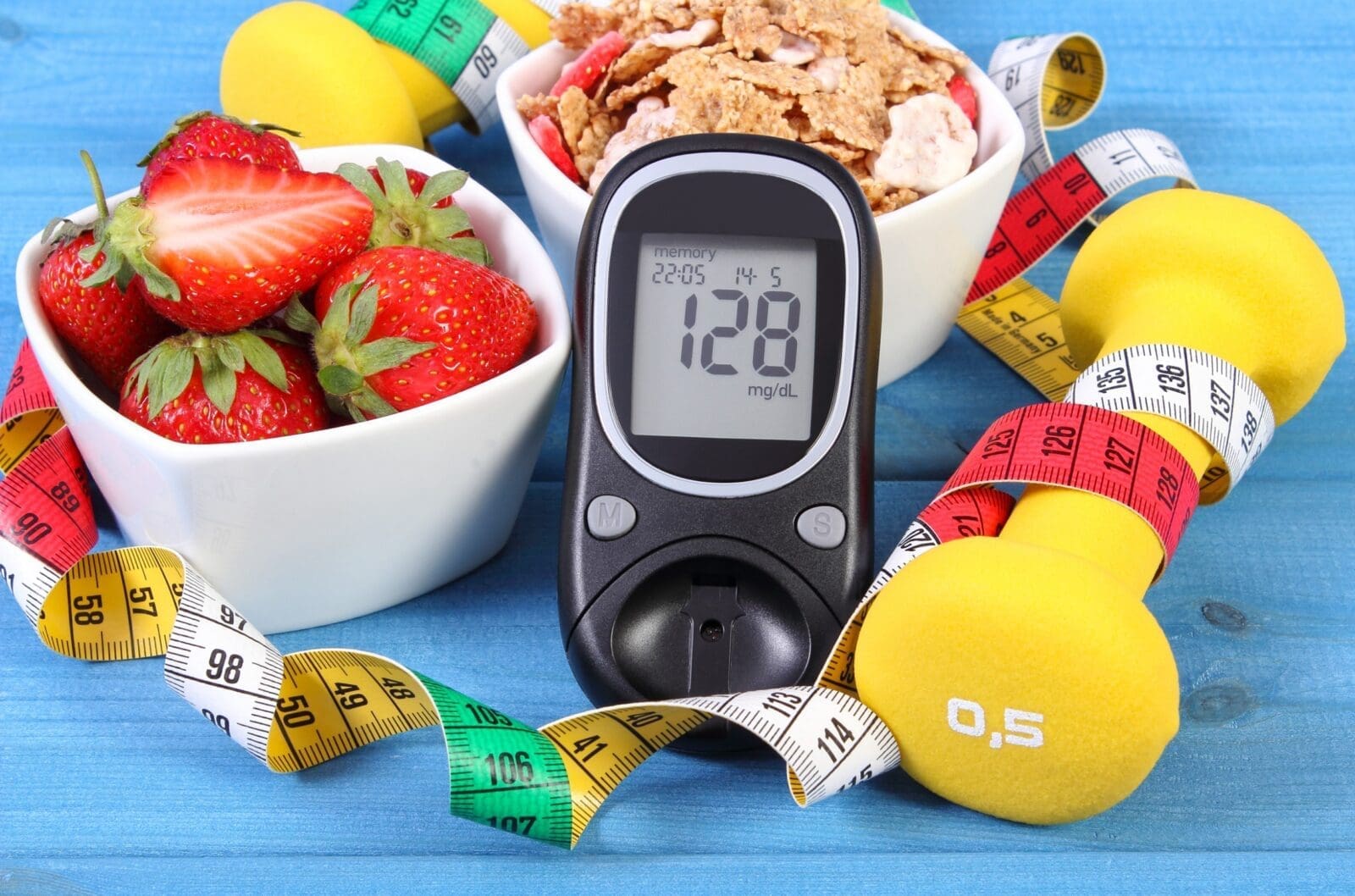
Diabetes is not one single disease. Type 1, type 2, gestational diabetes and other specific types may differ in cause, speed of onset and treatment. Age, body size or one glucose result cannot classify diabetes reliably.
Some people develop thirst, frequent urination, fatigue or unexplained weight loss. Many people with early type 2 diabetes have no clear symptoms and are identified through screening. Classification still requires history, examination and appropriate tests.
Key points: The main groups are type 1, type 2, gestational diabetes and other specific types. Glucose tests can diagnose diabetes but do not always identify the type. Altered consciousness, rapid breathing, persistent vomiting or severe dehydration need emergency care.
What is diabetes, and why does blood glucose rise?
Glucose is an important energy source. Blood levels may remain high when insulin production is insufficient, its action is reduced, or another disease or physiological state disrupts regulation.
Persistent high glucose can affect the heart, kidneys, eyes, nerves and feet. Prediabetes means levels are above the usual range but below the diabetes threshold; it raises risk but does not guarantee progression.
What types of diabetes are there?
Classification guides treatment toward the underlying cause rather than simply attaching a label.
| Type | Main mechanism | Common clues | Assessment |
|---|---|---|---|
| Type 1 | Autoimmune loss of insulin production | Any age; onset may be rapid | Glucose, ketones, selected antibody tests |
| Type 2 | Insulin resistance with declining production | Family and metabolic risks; may be silent | Glucose, comorbidities, heart and kidney risk |
| Gestational | Pregnancy increases regulatory demand | Usually found through antenatal screening | Pregnancy-specific testing and postpartum follow-up |
| Other specific types | Genetic, pancreatic, endocrine or treatment-related | Course differs from common patterns | Targeted tests guided by history |
The type may remain uncertain at the first abnormal result and require follow-up tests.
Does type 1 diabetes occur only in children?
No. Type 1 diabetes can begin at any age. It involves an autoimmune process that damages insulin-producing cells and is not simply caused by eating sugar.
Symptoms can progress quickly. Frequent urination, thirst, weight loss, fatigue and blurred vision may occur; vomiting, abdominal pain, deep rapid breathing or altered alertness require emergency care.
Is type 2 diabetes always caused by excess weight?
No. Weight and waist size are only part of risk. Family history, age, activity, sleep, diet, previous gestational diabetes and other metabolic factors matter. Lean people can also develop type 2 diabetes.
Type 2 diabetes often progresses gradually and may be symptom-free, so screening decisions should reflect individual risk.
How do gestational diabetes and other specific types differ?
Gestational diabetes is detected during pregnancy through an obstetric pathway and uses pregnancy-specific interpretation. Glucose may improve after delivery, but long-term type 2 risk remains higher.
Other specific types may relate to a single-gene change, pancreatic or endocrine disease, or certain treatments. An unusual age, family pattern or course may prompt reassessment.
What are the symptoms? Can diabetes occur without the classic signs?
- Increased thirst
- Frequent urination or new bed-wetting
- Hunger, fatigue or poor concentration
- Unexplained weight loss
- Blurred vision, slow wound healing or recurrent infections
- Tingling or numbness, which can have other causes
Not everyone has increased eating, drinking and urination with weight loss. Type 2 diabetes and prediabetes may be silent. A home glucose meter can monitor trends but one home result cannot diagnose or exclude diabetes.
How is diabetes diagnosed?
In non-pregnant adults, A1C, fasting plasma glucose, a two-hour oral glucose tolerance test and random plasma glucose with classic symptoms are used.
| Test | Diabetes threshold | Important note |
|---|---|---|
| A1C | 6.5% or above | Blood conditions and pregnancy may affect accuracy |
| Fasting plasma glucose | 126 mg/dL or above | A single abnormal result usually needs confirmation |
| Two-hour tolerance test | 200 mg/dL or above | Pregnancy uses different interpretation |
| Random plasma glucose | 200 mg/dL or above | Used with classic symptoms or a hyperglycaemic crisis |
Without clear symptoms, confirmation usually requires another abnormal result or repeat testing. Anaemia, haemoglobin variants, pregnancy and some illnesses can affect A1C.
Once diabetes is diagnosed, how is the type determined?
Routine glucose tests confirm diabetes but cannot by themselves distinguish type 1, type 2 or a rare form. Clinicians consider onset, age, body size, family and pregnancy history, pancreatic and endocrine disease.
Autoantibody, insulin-production or genetic testing may help selected patients. These tests are not required for everyone and must be interpreted with the clinical picture.
What treatment and follow-up principles do the types share?
Treatment is individualised by type, glucose level, age, pregnancy, heart and kidney health, hypoglycaemia risk and daily needs. It may involve food and activity changes, monitoring, injectable or oral glucose-lowering treatment. Do not stop, increase or borrow treatment on your own.
Follow-up may also cover blood pressure, lipids, kidney tests, urine, eye, foot and nerve checks.
Which glucose-related warning signs need urgent care?
- Persistent vomiting, abdominal pain or inability to drink
- Deep rapid breathing or marked breathlessness
- Drowsiness, confusion, fainting or seizure
- Severe thirst, urination, weakness and dehydration
- Persistently abnormal glucose despite the existing plan
- Sweating, shaking, palpitations, behavioural change or inability to swallow
Do not wait for a routine visit or drive yourself if there is altered consciousness, seizure, inability to swallow or abnormal breathing; seek emergency care.
Ruianc Clinic: confirm the diagnosis before planning long-term follow-up
Classification affects treatment, but first confirm the diagnosis and consider conditions that distort tests or temporarily raise glucose. Bring recent reports, glucose records, a medication and supplement list, and family history.
If glucose or A1C is abnormal, visit the internal medicine clinic for an initial assessment. Find more chronic-disease education in the health library.
Health Education References
- Taiwan Health Promotion Administration: Diabetes
- NIDDK: Diabetes Overview
- NIDDK: Diabetes Tests & Diagnosis
No. Gestational diabetes and other specific types are also recognised.
Yes. Type 1 diabetes can begin at any age.
Yes. Body weight is only one of several risk factors.
Not always. Without classic symptoms, confirmation usually needs repeat or additional testing.
No. Some blood conditions, pregnancy and illnesses can affect A1C, so other tests may be needed.
Yes. Glucose may improve after delivery, but future type 2 diabetes risk remains higher.
Doctor’s advice: one glucose result is not the whole diagnosis
Glucose, A1C and symptoms must be interpreted together. Pregnancy, anaemia, acute illness and treatments can affect confirmation, classification and follow-up.
This article provides general education and does not replace an in-person diagnosis, test interpretation or individual treatment advice.
Internal Medicine Team