


Early chronic kidney disease often causes no clear symptoms. Frothy urine, swelling, fatigue or changes in urination can be clues, but they can also come from other causes. You cannot diagnose yourself from how you feel, the look of your urine or a single creatinine number.
A more reliable assessment brings together blood tests, urine tests, blood pressure, your history and trends in the numbers. If you have diabetes, high blood pressure, cardiovascular disease or a family history of kidney failure, you can discuss with a clinician whether testing is needed even if you feel well.
Key points: Early kidney disease may cause no symptoms. A blood-based estimate of glomerular filtration rate and a urine albumin test are two important clues. A single abnormal result does not always mean chronic kidney disease; temporary causes usually need to be ruled out and persistence confirmed. Seek prompt care for difficulty breathing, chest pain, confusion, a clear drop in urine output or visible blood in the urine.
Why can early kidney disease cause no symptoms?
The kidneys have considerable reserve capacity, so early decline may not be felt. Some people only learn they need further evaluation when a routine blood or urine test is abnormal.
This is why having no back pain, normal urination or steady energy does not rule out kidney problems. Conversely, back or flank ache is often related to muscle, spine or other urinary issues and should not automatically be blamed on kidney disease.
What symptoms and body changes can kidney disease cause?
When kidney function or structure is clearly affected, changes may appear in urine appearance, urination frequency, fluid balance or general wellbeing. These signs are not specific, so tests are needed to find the cause.
| Possible change | Clues that may relate to the kidneys | Also common in other causes |
|---|---|---|
| Frothy urine | Worth checking for protein in the urine when foam is persistent and recurring | Fast urine stream, concentrated urine or detergent residue |
| Eyelid or leg swelling | Consider when accompanied by rapid weight gain or changed urine output | Prolonged standing, vein problems, heart or liver conditions |
| Red or tea-coloured urine | May suggest blood in the urine or a glomerular problem | Urinary tract infection, stones, food or other sources |
| Night-time urination or changed voiding | May reflect concentrating ability or other kidney/urinary issues | Timing of fluids, sleep, bladder or prostate problems |
| Fatigue, poor appetite or itching | Can appear with more advanced kidney impairment | Anaemia, sleep, hormonal or other systemic conditions |
Does frothy urine or swelling always mean kidney disease?
Not necessarily. Brief foaming can just mean a fast stream or concentrated urine; fine, persistent, recurring foam is more worth a urine test. Swelling can also relate to prolonged sitting or standing, vein circulation, heart, liver or certain medicines.
It helps to note whether it persists, whether it affects both sides, and whether it comes with rising blood pressure, rapid weight gain, changed urine output or breathing difficulty. Do not decide on your own from photos or online comparisons.
Who should discuss kidney function testing even without symptoms?
- Diabetes or long-term abnormal blood sugar
- High blood pressure, cardiovascular disease or peripheral artery disease
- A first-degree relative with chronic kidney disease, dialysis or kidney failure
- Previous acute kidney injury, repeated urinary tract obstruction or a structural kidney problem
- Long-term or frequent self-use of over-the-counter medicines, herbal products or supplements that may affect the kidneys
- Past tests showing protein in the urine, blood in the urine or abnormal kidney values
Diabetes and high blood pressure are important risk factors for chronic kidney disease in adults. The frequency of testing should follow your individual risk and your clinician’s advice.
What tests are used, and how do eGFR and urine albumin differ?
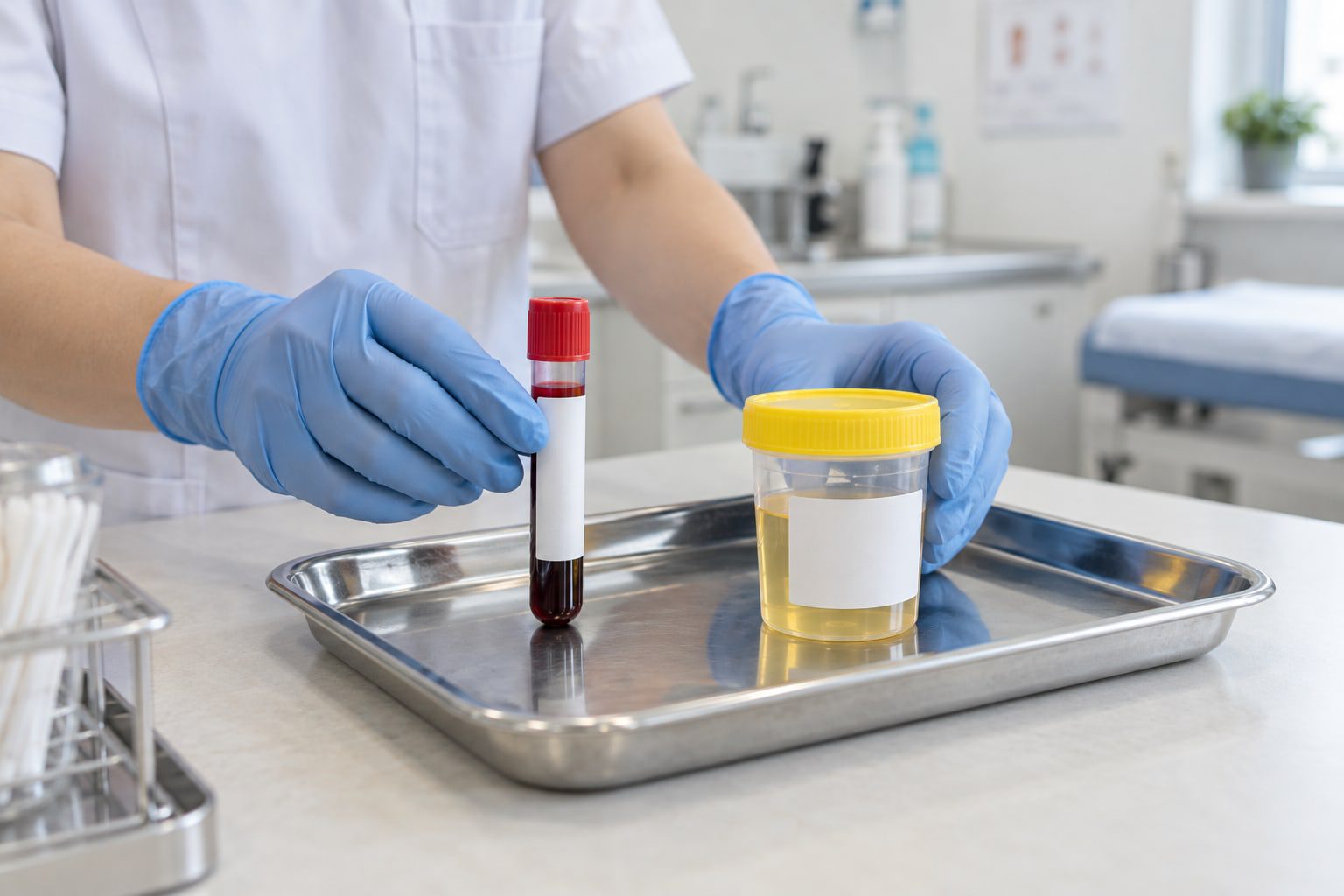
Kidney assessment usually goes beyond creatinine alone. A clinician uses blood creatinine together with age and other data to estimate glomerular filtration rate (eGFR), which reflects filtering function. The urine albumin-to-creatinine ratio (UACR) looks for kidney damage shown by albumin leaking into the urine.
A routine urine test can also reveal blood, protein and other abnormalities. Electrolytes, blood counts, kidney ultrasound or other tests are arranged only if the values or history need clarification; not everyone needs the full set.
| Test | Main purpose | Limits in interpretation |
|---|---|---|
| Blood creatinine and eGFR | Estimates kidney filtering function | Affected by age, muscle mass, acute illness and whether the value is stable |
| Urine albumin-to-creatinine ratio | Detects albuminuria and kidney-damage risk | Exercise, infection, blood-sugar or blood-pressure swings may temporarily change the result |
| Routine urine test | Checks for blood, protein and other urine abnormalities | Abnormalities do not always come from the kidneys and often need symptoms or repeat testing |
| Kidney ultrasound | Shows kidney size, structure and any obstruction | Cannot by itself represent kidney filtering function |
Does one abnormal kidney result mean chronic kidney disease?
Not necessarily. Dehydration, acute infection, recent intense exercise, urinary obstruction or certain medicines can briefly change kidney function or urine protein. A clinician first checks your current situation, then decides when to retest.
Chronic kidney disease focuses on whether a structural or functional abnormality has lasted at least three months. A low eGFR, albuminuria or blood in the urine must be read together with duration, trends and other tests; you cannot stage yourself from a single report.
How can I protect kidney function in daily life?

If you have known kidney risk, the priority is to follow up blood pressure, blood sugar, eGFR and urine-albumin trends as advised, and to treat the cause of any kidney damage. Smoking, excess salt and supplements of unclear content should also be discussed with your care team.
Do not adopt an extreme low-protein diet on your own, and you do not need to force large amounts of water. Protein, salt, potassium, phosphorus and fluid needs change with kidney function, urine output, nutrition and other conditions; those with confirmed disease can have a plan set by a clinician and a dietitian.
Bring a complete list of prescribed, over-the-counter, herbal and supplement products to your visit. If you develop vomiting, diarrhoea, fever or a marked drop in food intake, ask your usual care team whether earlier review is needed to avoid dehydration or medicine-related strain on the kidneys.
Which kidney warning signs need prompt care?
If any of the following appear, do not just wait for a routine check-up or change your diet on your own; seek care promptly according to severity:
- Difficulty breathing, chest pain, inability to lie flat or rapidly worsening swelling
- A clear drop in urine output, or almost no urine for a long time
- Visible blood or clots in the urine, or blood in the urine with severe flank/abdominal pain and fever
- Persistent vomiting, marked drowsiness, confusion or seizures
- Clearly rising blood pressure with severe headache, vision change or nerve symptoms
- New high blood pressure, marked swelling or abnormal urine protein during pregnancy
When there is no acute warning sign but tests remain abnormal or you are in a higher-risk group, an internal medicine clinic can first review your history and basic tests, then arrange follow-up or referral based on the results.
Sources for this kidney disease guide
- Taiwan Health Promotion Administration: chronic kidney disease management handbook
- KDIGO: 2024 clinical practice guideline for chronic kidney disease evaluation and management
- NIDDK: chronic kidney disease tests and diagnosis
- NIDDK: chronic kidney disease symptoms and basics
No. Early chronic kidney disease often causes no clear discomfort, and some people only find it through abnormal blood or urine tests. If you have diabetes, high blood pressure, cardiovascular disease or a family history of kidney failure, discuss testing frequency with a clinician.
Urine appearance cannot reliably tell. If foam is fine, persistent and recurring, a urine test can be arranged; whether albuminuria is present depends on the laboratory result and may need repeat confirmation.
Do not rely on creatinine alone. The value is affected by age, muscle mass and acute conditions, and is usually read with eGFR, urine albumin, a routine urine test, history and trends.
A single low result cannot confirm it. Chronic kidney disease usually requires that a functional or structural abnormality persist for at least three months, after ruling out dehydration, acute illness, obstruction and other temporary causes.
More is not always better. Fluid needs depend on kidney function, urine output, heart condition, weather and activity. People with kidney or heart disease should not force large amounts of water and should follow their clinician’s advice.
Do not cut protein sharply on your own. Protein needs vary with kidney-disease stage, whether dialysis is used, nutrition and other conditions; restricting too much can cause undernutrition, so a clinician and a dietitian should assess this.
Doctor’s note: do not judge kidney disease from symptoms or a single number alone
Early chronic kidney disease can cause no discomfort at all, and frothy urine, swelling or fatigue are not always kidney disease. A more reliable approach combines your history, blood pressure, an estimated kidney-function blood value and a urine albumin test, repeating tests when needed to confirm whether a change persists. If you have diabetes, high blood pressure, cardiovascular disease or a family history of kidney disease, discuss suitable testing and follow-up frequency with a clinician.
This article provides general health education and cannot replace an in-person diagnosis. Kidney values are affected by age, muscle mass, acute illness and other factors; the combination of tests, follow-up frequency, diet and treatment should be assessed by a clinician for your situation.
Internal medicine and gastroenterology team