


Repeatedly dry, chapped, peeling, or red lips may be a sign of cheilitis (lip inflammation). When the air turns dry and your lips keep peeling, it is easy to lick them without thinking. That can feel soothing for a moment, yet your lips often end up feeling even drier, cracked, and stinging soon after.
Simple dryness and cracking on the red part of the lips is different from angular cheilitis (cracks at the corners of the mouth), cold sores (clusters of small blisters), and perioral dermatitis (a ring of small bumps around the mouth). Using the wrong product or repeatedly picking at peeling skin often slows down healing, so it is a good idea to have a dermatologist take a look when needed.
Key Takeaways: Cheilitis is a general term for inflammation of the lips, commonly showing up as dryness, peeling, redness, or cracking on the red part of the lips. Cold, dry autumn and winter weather, lip licking, and irritating lip products can all keep it coming back. It needs to be distinguished from angular cheilitis at the mouth corners, contagious blister-forming cold sores, and perioral dermatitis around the mouth. If home care does not help after a while, or if you notice blisters, noticeable swelling, warmth, or pain, we recommend having a doctor evaluate your lips in person.
What Is Cheilitis, and Why Do Lips Get So Chapped in Autumn and Winter?
Cheilitis (also commonly called lip inflammation) is a broad term for inflammation of the lips. Whenever the red (vermilion) part of the lips becomes dry, peeling, red, painful, cracked, or crusted, it may be referred to as cheilitis.
One very common form is eczematous cheilitis, which is what people usually mean when they talk about chapped lips. When autumn and winter bring cold winds and dry air, this trouble tends to flare up. Still, sun exposure or repeated lip licking can trigger it too, so it does not happen only in winter.
Because cheilitis is an umbrella term, there is more than one possible cause behind it. Looking at dry, cracked lips alone is not enough to tell which type you have—the location and accompanying symptoms also matter when distinguishing it from angular cheilitis or cold sores.
What Does Cheilitis Look Like? How to Tell It Apart From Angular Cheilitis, Cold Sores, and Perioral Dermatitis
Common cheilitis mainly affects the red part of the lips, which may look dry, flaky, and red, and sometimes feels tight, mildly stinging, or cracked, occasionally spreading slightly onto the nearby skin. Another form, actinic cheilitis, develops on the lower lip after long-term sun exposure, leaving it persistently dry and rough; it belongs to the same group of long-term sun damage as actinic keratosis on the skin. There is also exfoliative cheilitis, a less common form marked by ongoing, repeated peeling.
Many people chalk up any lip or mouth-area discomfort to internal heat or simple dehydration, yet looking in a mirror or comparing with photos makes it easy to misread what is going on. People often search whether blisters mean cheilitis, when in fact typical cheilitis does not usually cause blisters—clusters of small blisters are actually a reason to watch out for cold sores. The table below outlines how these common conditions differ, though an in-person exam by a doctor is still needed.
| Possible Condition | Common Location & Appearance | Accompanying Features | Next Steps |
|---|---|---|---|
| Cheilitis | Dryness, peeling, redness, cracking, or crusting on the red part of the lips | Often feels tight or mildly stinging; dryness- or irritation-related cheilitis is usually not contagious | Stop using irritating products and stop licking your lips; see a doctor if discomfort continues |
| Angular cheilitis | Redness, cracking, peeling, or crusting at one or both corners of the mouth | Corners tend to pull and hurt when opening your mouth to talk or eat | Identify dryness, saliva irritation, or secondary infection; have a doctor examine it |
| Cold sores (herpes labialis) | Clusters of small blisters along the lip border or around the lips | Often preceded by tingling, itching, or burning; contagious | Do not share lip balms or personal items; see a doctor promptly for evaluation |
| Perioral dermatitis | A ring of small red or skin-colored bumps with dryness and flaking on the skin around the mouth | A narrow band of skin right next to the lip border is often spared | Stop applying leftover or unknown-source ointments; get a diagnosis from a dermatologist |
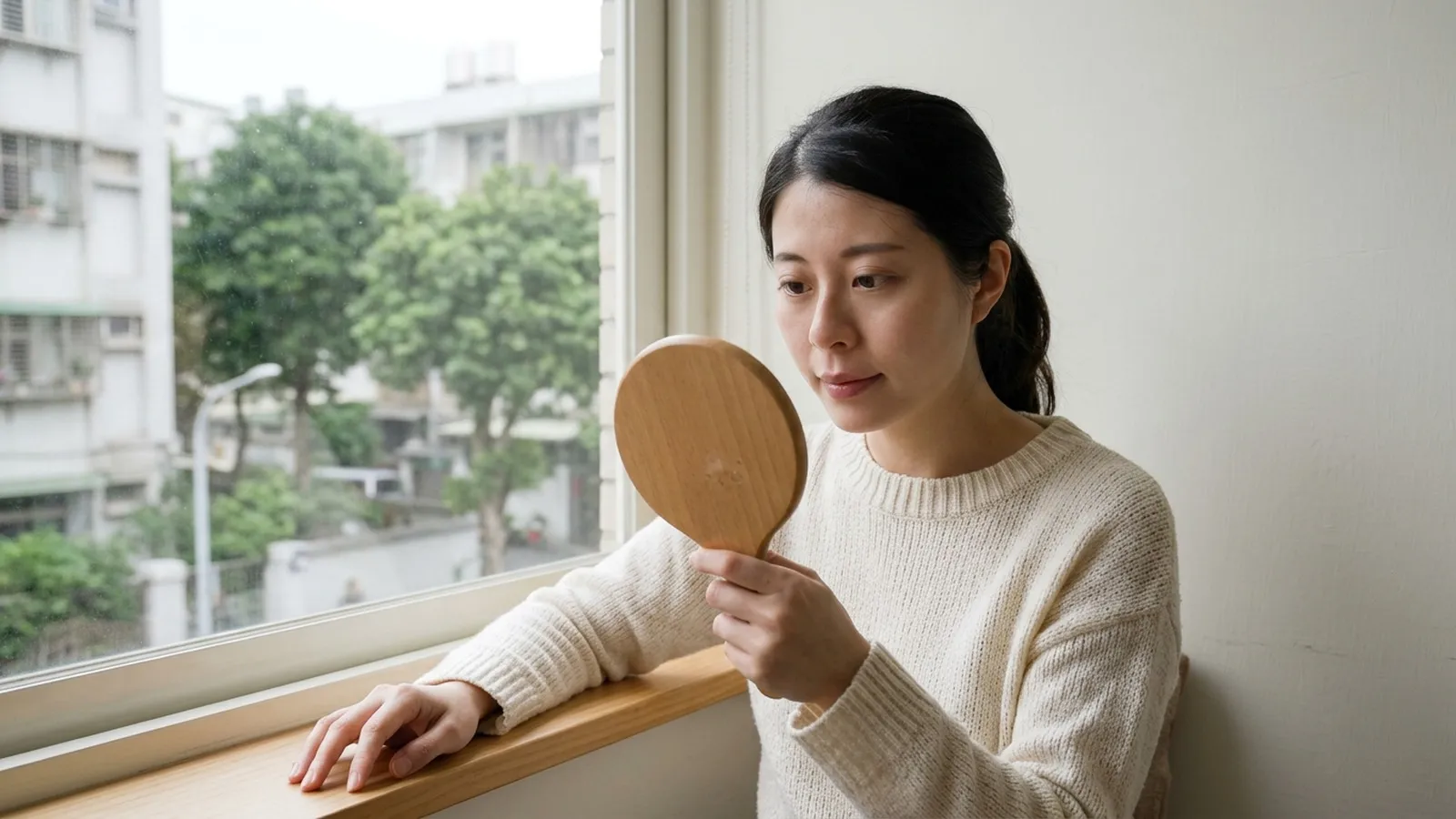
Why Does It Keep Coming Back? Are Lip Licking, Lip Balm, and Weather to Blame?
When your lips stay chapped and struggle to heal, there is often more than one factor involved. These everyday triggers are frequently behind recurring flare-ups:
- Weather and environment: Cold, dry air, strong winds, and UV sun exposure—which is still present even in winter—can all leave your lips more prone to drying and cracking.
- Repeatedly licking, biting, or picking at your lips: Licking dry lips may feel relieving for a second, but as saliva evaporates it often leaves them even drier, creating a cycle of licking and cracking. Pulling off loose flakes also irritates the skin and slows healing.
- Lip products, irritation, or allergies: Lip balms, lipsticks, toothpastes, or other oral-care items that touch your lips can trigger irritation or contact dermatitis. If a product stings, burns, or feels numb when you put it on, it is irritating your lips rather than working—especially strongly flavored or scented products, which can worsen discomfort on already chapped lips.
- Skin tendencies and daily habits: People prone to atopic dermatitis naturally tend to have more recurring lip dryness. Breathing through your mouth while sleeping at night can also dry out your lips.
- Medications and nutrition: If you are taking a prescribed oral retinoid medication, lip dryness is a known side effect—talk with your prescribing doctor about how to moisturize rather than stopping the medication on your own. Vitamin deficiencies are only occasionally involved; ordinary chapped lips should not be assumed to mean a vitamin deficiency, and you should not buy supplements or rely on specific fruits to self-treat.
When Should You See a Dermatologist? Signs to Stop Self-Treating
Mild dryness and peeling sometimes ease up once you adjust your daily habits, but persistent flare-ups or warning signs call for closer attention. If you notice any of the following, stop trying new lip balms on your own and schedule a dermatology visit:
- Your lips stay dry, peeling, or cracked even after adjusting your home care for a while.
- Your lips develop noticeable redness, swelling, warmth, pain, oozing, or crusting, raising concern for a bacterial or fungal infection.
- You are unsure whether you are dealing with cheilitis, angular cheilitis, cold sores, or perioral dermatitis.
- Clusters of small blisters appear on the lip border or the red part of the lips.
- Your lower lip has become persistently rough like sandpaper after long-term sun exposure, the border of the lip looks blurred, or you have a sore or ulcer that does not heal. These can sometimes point to actinic cheilitis or other issues that need a closer look, so do not treat them as ordinary peeling and keep picking at them.
Also, avoid putting leftover or unknown ointments directly on your lips. If you are already taking a prescribed medication (including an oral retinoid medication), check back with your doctor rather than stopping it on your own.

How to Care for Chapped Lips at Home, and What to Expect From Treatment
Before and after your appointment, give your lips a break by cutting back on irritation and locking in moisture. Switch to a gentle lip ointment with a simple formula, and apply it before bed as well. When your lips are already very dry and cracked, a simple occlusive ointment such as petroleum jelly usually holds in moisture better than an ordinary waxy lip balm.
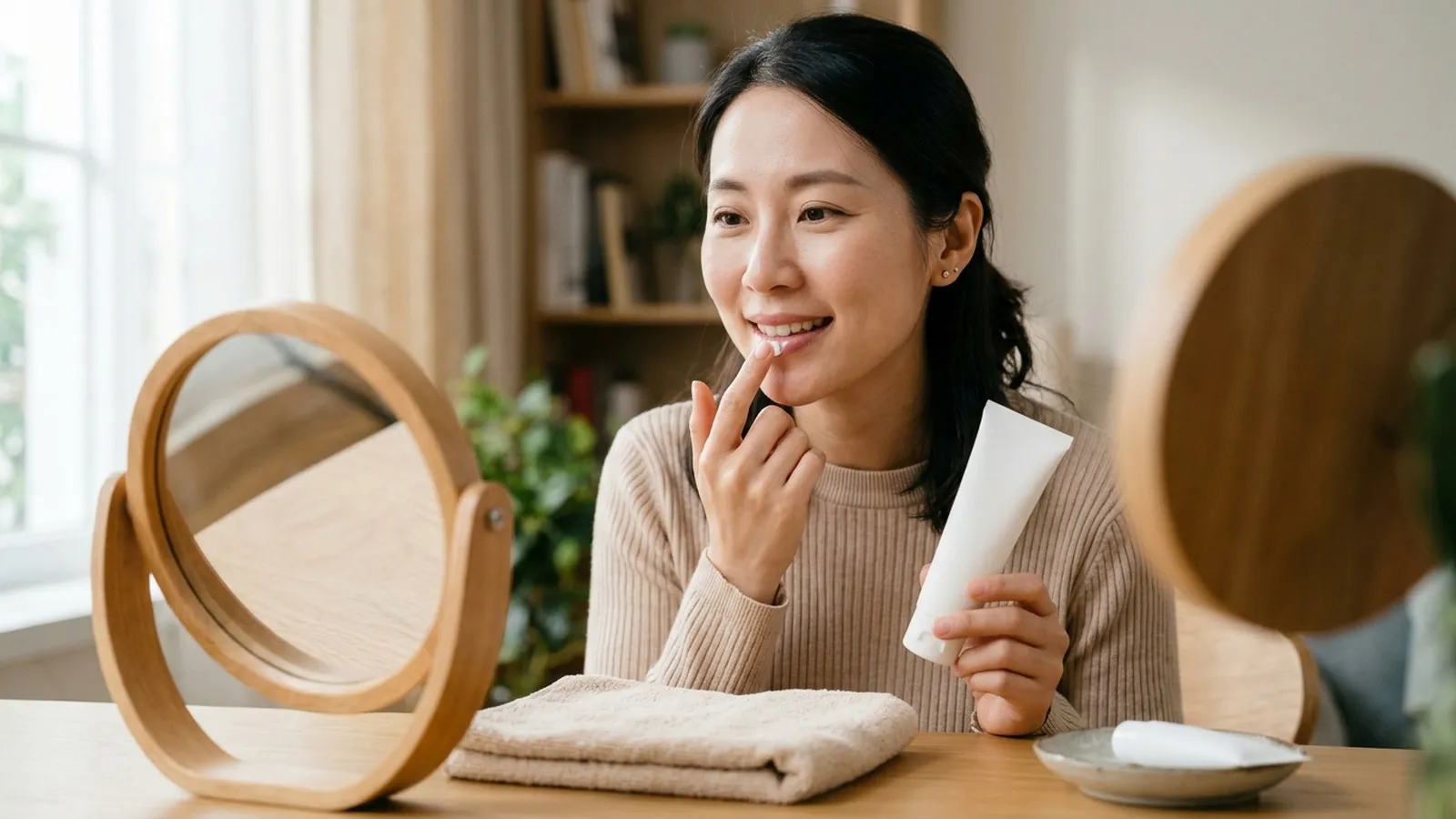
When heading outdoors—even in winter—protect your lips from the sun with a gentle, sun-protective lip product and reapply as needed. On windy days, a scarf loosely covering your mouth can help block the wind. Do not share lip products with others, and stop using anything that feels uncomfortable.
Try to resist licking, biting, or picking at your lips. If indoor heating makes your room dry or you tend to breathe through your mouth at night, using a humidifier in your bedroom can help, along with staying well hydrated throughout the day.
During your visit, a dermatologist will first identify what is causing the inflammation. Sometimes adjusting your moisturizing routine and avoiding triggers is enough; if inflammation is more pronounced or an infection is present, your doctor may prescribe medications by category as needed, such as a topical steroid ointment, topical antibiotic, or topical antifungal. For sun-related actinic cheilitis, your doctor will also evaluate in person whether further testing or treatment is needed.
Cheilitis takes time to heal and does not clear up overnight. Following your doctor’s guidance and minimizing irritation gives your lips a steadier chance to calm down.
Health Education References
- American Academy of Dermatology (AAD): 7 dermatologists’ tips for healing dry, chapped lips
- National Health Service (NHS): Sore or dry lips
- DermNet: Cheilitis
- DermNet: Eczematous cheilitis
- DermNet: Actinic cheilitis
- MSD Manual Consumer Version: Lip Sores, Lip Inflammation, and Other Changes
- MSD Manual Professional Version: Lip Ulcers and Cheilitis (Lip Inflammation)
- MSD Manual Consumer Version: Lips and Sun Damage
Frequently Asked Questions About Cheilitis
Will cheilitis go away on its own, or do I need to see a doctor?
Mild chapping caused mainly by dry weather or lip licking may gradually improve once you stop licking your lips, switch to a gentle lip ointment, and avoid irritants. However, recovery speed varies from person to person, and healing often drags on if lip licking or irritating products continue. If symptoms persist, or if you notice redness, swelling, warmth, pain, blisters, a non-healing sore or ulcer, or are unsure whether it is angular cheilitis or a cold sore, see a dermatologist.
Is cheilitis contagious?
Most cheilitis caused by dryness, irritation, or contact allergies is not a contagious illness that spreads to family members the way a cold does. However, it can sometimes look similar to contagious cold sores—especially if tingling or itching is followed by clusters of small blisters—so do not guess on your own or share lip products. When in doubt, have a doctor check and tell them apart.
Are chapped lips caused by a vitamin deficiency? What should I eat to fix them?
Not necessarily. Autumn and winter lip chapping is usually more directly linked to dry air, wind, lip licking, or irritating lip products, so you should not assume a vitamin deficiency is the cause. Only a small number of cases (especially angular cheilitis) are related to nutritional deficiencies, which should be evaluated by a doctor rather than self-treated with store-bought vitamins or specific fruits.
What should I put on cheilitis? Can lip balm help?
Start with a gentle, simple-formula lip ointment, or use an occlusive ointment like petroleum jelly when your lips are very dry; stop using any product that stings, burns, or numbs. Heavily flavored or scented products and unknown ointments are not suitable for self-testing. A gentle lip ointment takes time to help and does not work the same way for everyone. If home care does not bring improvement after a while, or if you have noticeable inflammation or blisters, ask a doctor whether another type of medication is needed.
How can I tell cheilitis apart from angular cheilitis and cold sores?
They differ in location and accompanying features. Cheilitis mainly causes dryness, peeling, redness, or cracking on the red part of the lips itself. Angular cheilitis causes redness and cracking at the corners of the mouth. Cold sores often begin with tingling or itching before forming contagious clusters of small blisters. A ring of red bumps around the mouth that leaves a narrow strip right next to the lip border clear is more typical of perioral dermatitis. Because symptoms often overlap, an in-person diagnosis from a doctor is recommended.
How should I care for my lips at home before seeing a dermatologist?
Stop licking, biting, and picking at your lips, switch to a plain, gentle lip ointment or petroleum jelly, and protect your lips from sun and wind when going outside. Avoid applying leftover ointments or sharing lip products with others. Bring a list of the lip products, toothpastes, and medications you currently use to your appointment so your doctor can review them with you.
Doctor’s Reminder: Chapped lips have more than one cause—avoid self-medicating or picking at peeling skin, and get a medical evaluation
Repeatedly dry, peeling lips may be cheilitis from simple dryness or irritation, but they can also involve angular cheilitis, cold sores, perioral dermatitis, or contact allergies. In daily life, stop licking or picking at your lips, and do not apply leftover or unknown ointments. If you are already using a prescribed medication, check with your doctor before making changes. Bring a list of your current lip products, toothpaste, and medications to your visit—whether you need medication or a change in lip care should be evaluated in person by a doctor.
This article provides general patient education and does not replace an in-person medical consultation. Whether you have cheilitis, need medication, or should adjust your care routine should be evaluated personally by a qualified physician.
Dermatology Medical Team

Dr. Tseng