
If your cheeks, nose or chin keep flushing and feeling warm, especially after sun exposure, a hot drink or stress, and small acne-like red bumps sometimes appear, it may be rosacea. Rosacea is a long-term, relapsing inflammatory condition of the facial skin. Despite old myths, it is not caused by drinking alcohol.
Rosacea usually cannot be handled with a single product or one treatment session. Many people can keep symptoms more stable by identifying their triggers, caring for their skin gently and, when needed, receiving treatment after a doctor’s assessment. Because acne, seborrheic dermatitis and contact dermatitis can also make the face red, it is not advisable to self-diagnose from photos.
Key points: Rosacea mainly affects the central face. Common features include flushing, persistent redness, visible blood vessels and acne-like bumps; a few people develop thickened skin on the nose or dry, irritated eyes. Sun, temperature changes, spicy or hot food and drinks, alcohol, stress and harsh skincare can trigger flares. Daily care focuses on gentle cleansing, moisturising, sun protection and tracking triggers. If redness persists, bumps keep coming back or your eyes are affected, see a doctor for an in-person assessment.
What is rosacea and why does my face stay red?
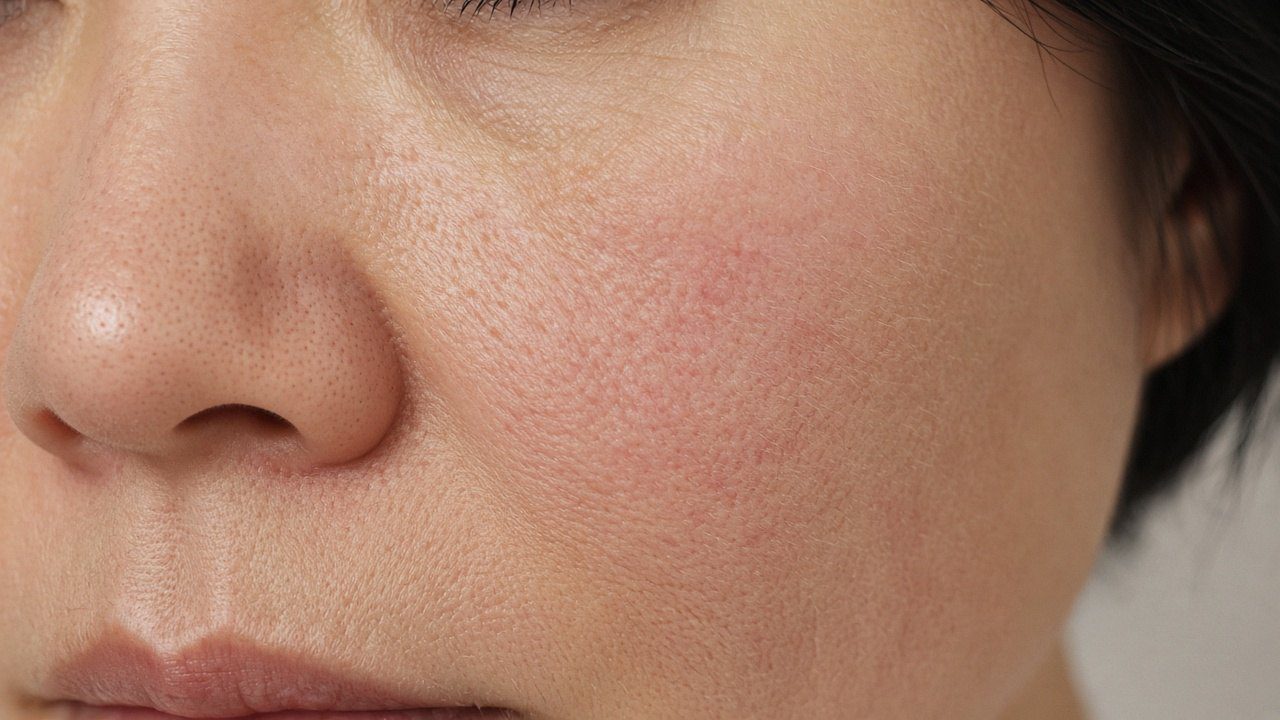
Rosacea is a chronic inflammatory skin disease that tends to flare and settle over time. It mainly affects the cheeks, nose, forehead and chin. It usually starts in adulthood and can affect any gender or skin tone; in darker skin, redness can be harder to see and rosacea may be overlooked.
Rosacea is thought to involve several factors, including genetic tendency, reactive facial blood vessels, an overactive innate immune response, a weaker skin barrier and changes in skin microorganisms such as Demodex mites. Together these amplify the skin’s reaction to sunlight, heat or irritation, leading to redness, burning and inflammation.
Rosacea is not caused by poor hygiene and it is not contagious. Over-cleansing and frequent exfoliation can actually weaken the skin barrier and make redness and stinging worse.
What triggers rosacea flare-ups?
Rosacea flares often have triggers, but they differ from person to person. There is no need to cut out every possible food or activity; a more practical approach is to observe and identify your own triggers.
- Sun and UV exposure: many sources consider this one of the more significant environmental factors.
- Temperature changes: hot showers, saunas, strong sun or cold wind, and moving quickly between hot and cold places.
- Food and drink: spicy food, hot drinks or very hot soup, and alcoholic drinks.
- Emotional stress, anxiety and feeling overheated after intense exercise.
- Irritating skincare or cosmetics: products with alcohol, fragrance, scrub particles or high-strength acids.
- Some medicines that dilate blood vessels, or long-term self-use of steroid creams.
Try keeping a simple diary for a few weeks, noting food, sun exposure, activities, skincare and how red your skin gets. Sharing it with your doctor makes patterns easier to spot than relying on memory.
How should I care for rosacea-prone skin? 8 practical rules
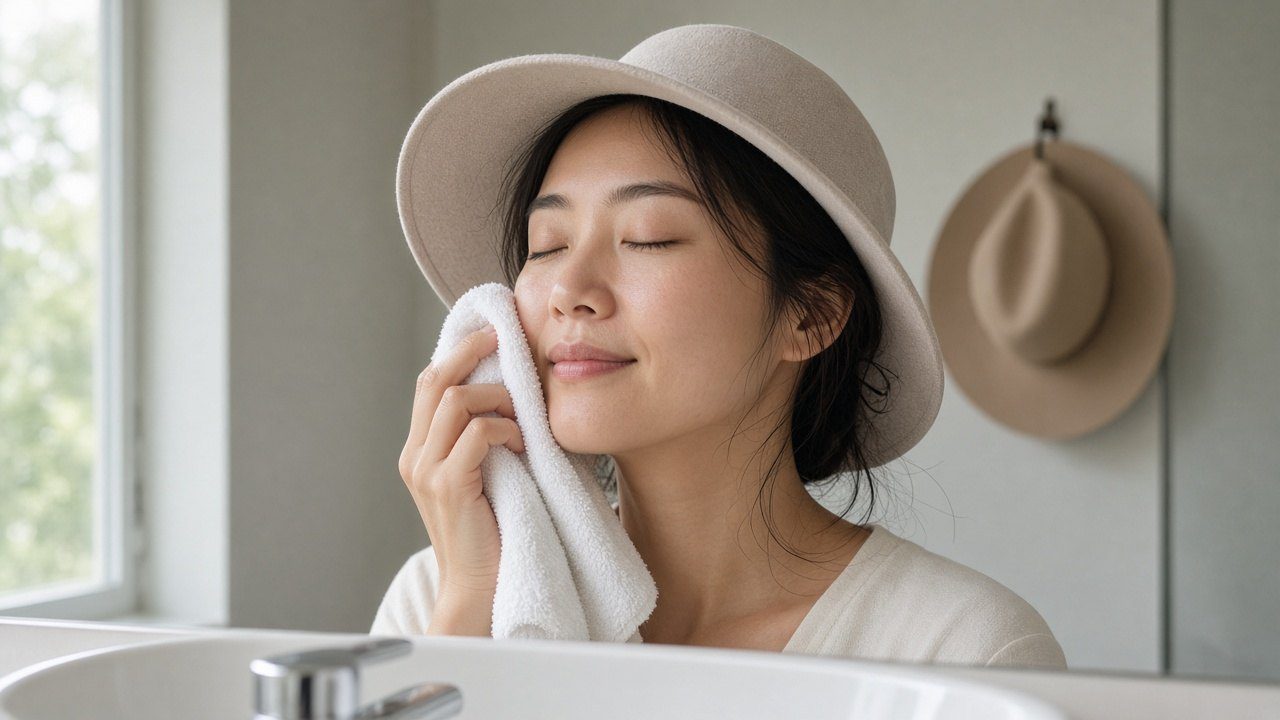
The goals of daily care are to reduce irritation, support the skin barrier and lower the chance of flares. These rules suit most rosacea-prone skin, but if you are under treatment, follow your doctor’s individual advice.
- Use a gentle, low-irritation cleanser with lukewarm water; do not scrub, and pat dry afterwards.
- Moisturise daily with simple, fragrance-free products to reduce tightness and stinging.
- Protect your skin outdoors: broad-spectrum sunscreen plus hats or umbrellas; some people tolerate mineral (physical) sunscreens better.
- Pause scrubs, exfoliants, peel-off masks and cleansing brushes.
- Patch-test new products behind the ear or along the jaw for a few days before using them on the whole face.
- Limit heat: avoid very hot showers, long baths and saunas, and let hot drinks cool a little.
- Record and avoid your own triggers, such as spicy food, alcohol or certain environments.
- Do not apply unknown creams or steroid creams on your own; long-term use may make redness and bumps harder to control.
If your face is also clearly dry, flaky or itchy, see causes and care of dry, itchy skin. For sun-protection habits, melasma sun protection and skincare also stresses reducing UV exposure and friction.
What are the symptoms of rosacea? 4 common presentations
Rosacea looks different from person to person. Many people have more than one feature, and symptoms can change over time. Doctors usually plan care around the main features rather than applying one approach to everyone.
Flushing, persistent redness and visible blood vessels
It often starts as easy blushing or flushing, then the redness lasts longer, and fine red vessels may appear on the cheeks or around the nose. Some people feel burning, stinging or tight, dry skin.
Red bumps and pustules (acne-like rosacea)
Small red bumps or pustules appear on red skin. They look like acne but usually without blackheads or whiteheads, and persistent redness is often present.
Skin thickening (more common on the nose)
In a few people the skin gradually thickens, pores enlarge and the surface becomes uneven, most often on the nose and more often in men. These changes should be assessed by a doctor early.
Eye symptoms (ocular rosacea)
Eyes may feel dry, gritty, light-sensitive or red, with swollen eyelid margins or recurrent styes. Eye symptoms sometimes appear before skin symptoms. Seek care promptly if you have blurred vision or eye pain.
How is rosacea different from acne, seborrheic dermatitis and allergy?
Facial redness and bumps have many causes. They can look alike but need different care. The table gives a basic comparison and cannot replace an in-person diagnosis. To learn more about how acne forms, see why acne keeps coming back.
| Feature | Rosacea | Acne | Seborrheic dermatitis | Contact dermatitis / facial allergy |
|---|---|---|---|---|
| Usual areas | Central face: cheeks, nose, forehead, chin | Face, chest, back | Between the brows, beside the nose, hairline, scalp | Where a product or allergen touched the skin |
| Main appearance | Persistent redness, flushing, visible vessels, possible bumps or pustules | Comedones, red papules, pustules; nodules when severe | Redness with greasy yellow-white scale | Red swelling, itch, tiny blisters or peeling |
| Comedones | Usually absent | Blackheads or whiteheads common | Absent | Absent |
| Typical sensation | Burning, stinging, easy flushing | Tenderness; some feel little | Itch, flaking | Marked itch or stinging |
| Common triggers | Sun, temperature change, spicy or hot food, alcohol, stress | Sebum, hormones, friction and picking | Season change, stress, routine | New skincare, cosmetics, fragrance or metals |
| Care focus | Identify triggers, gentle moisturising, sun protection; assess need for treatment | No picking, gentle cleansing; treatment by severity | Regular cleansing, control inflammation; check for other conditions | Stop suspect products; patch testing if needed |
How is rosacea treated and assessed by a doctor?
Rosacea is usually diagnosed from its clinical features. A doctor looks at the pattern of redness, bumps or vessels, whether comedones are present and any eye symptoms, and asks about triggers, skincare and medicines. Further tests are considered only when the picture is unusual, to rule out look-alike conditions.
Treatment is chosen according to the main features and is usually combined with daily care and follow-up. The options below are general directions; whether they suit you, how to use them and for how long must be decided by a doctor based on your situation.
- Flushing and redness: topical vasoconstrictor-type medicines, intense pulsed light or vascular laser may be discussed. Light-based treatment requires assessment of skin condition, sun exposure and downtime, and redness can still return with triggers.
- Red bumps and pustules: topical anti-inflammatory medicines or topical antiparasitic medicines may be used; when widespread or recurrent, oral tetracycline-class antibiotics may be considered mainly for their anti-inflammatory effect.
- Visible blood vessels: usually need assessment for light-based treatment, as medicines have limited effect on vessels.
- Nasal thickening: depending on whether inflammation is present, oral retinoid-class medicines, laser or surgery may be considered.
- Eye symptoms: besides warm compresses and eyelid hygiene, an ophthalmologist should also assess the eyes.
All treatments have possible side effects and limits, such as irritation, dryness, temporary swelling or pigment change. Tell your doctor in advance if you are pregnant, breastfeeding or have a chronic illness. Symptoms may return after stopping treatment, so most people need long-term care and follow-up adjustments.
What are common myths about rosacea?
Myth 1: Rosacea comes from drinking too much alcohol
No. Alcohol can be a trigger for some people, but people who never drink can also have rosacea.
Myth 2: Red bumps just need acne products
Rosacea bumps look like acne, but many acne products contain irritating ingredients that can worsen redness and stinging. Confirm whether it is acne or rosacea before choosing a routine.
Myth 3: Steroid cream clears redness faster
Steroid creams may seem to reduce redness briefly, but long-term or improper use can cause rosacea-like dermatitis and skin thinning, and redness may rebound when stopped. Use steroid creams only as directed by a doctor.
Myth 4: More washing and exfoliating will stop the redness
Rosacea is not caused by dirt, and over-cleansing damages the skin barrier. Sudden redness, itch or stinging can also be an allergic or irritant reaction, so avoid starting several new products at once and ask a doctor to assess it.
When should I see a dermatologist?
If redness appears only occasionally and fades quickly, you can start with daily care and trigger avoidance. See a doctor if any of the following apply:
- Redness lasts several weeks without improvement, or becomes more frequent or widespread.
- Red bumps or pustules keep recurring, or acne products make your skin redder and more painful.
- Skin on the nose or face gradually thickens, coarsens or becomes uneven.
- Dry, gritty, light-sensitive eyes or swollen eyelids; seek care promptly for blurred vision or eye pain.
- Redness comes with fever, joint pain or tiredness, or the rash pattern is unusual.
- You have used steroid or unknown creams long-term and redness worsens after stopping.
- Symptoms clearly affect your sleep, work, social life or mood.
Greasy scale between the brows or beside the nose may point to coexisting seborrheic dermatitis, which is managed differently. To find out what is causing your facial redness, visit Ruianc Clinic dermatology services for an in-person assessment.
Which dermatology sources were used?
- American Academy of Dermatology (AAD): Rosacea
- DermNet: Rosacea
- US National Institute of Arthritis and Musculoskeletal and Skin Diseases (NIAMS): Rosacea
Rosacea is a chronic, relapsing condition, and current treatment aims to control redness and bumps and reduce flares. Many people keep symptoms more stable by avoiding triggers, caring for their skin gently and receiving treatment after a doctor’s assessment, but symptoms can return if care stops, so follow-up is needed.
Acne usually includes blackheads or whiteheads and can affect the chest and back. Rosacea usually has no comedones and is marked by persistent redness, flushing or visible vessels on the central face, often with burning or stinging. Both can occur together, so a dermatologist should assess you in person.
Most people can, but choose simple, fragrance-free products and remove makeup gently without rubbing. Patch-test new products; if makeup causes stinging or more redness, stop using it and tell your doctor which products you use.
Intense pulsed light or vascular laser may be used for persistent redness and visible vessels, but suitability depends on whether the skin is inflamed, skin tone, recent sun exposure, medicines and your expectations. Risks include temporary swelling or pigment change, and redness can still return. A doctor must assess you before deciding.
No. Rosacea is linked to constitution, blood vessel and immune responses, the skin barrier and skin microorganisms. It is not caught from other people or caused by poor hygiene.
Not necessarily. Triggers vary, and alcohol and spicy food are only common examples. Keep a record of what you eat and when you flare, and adjust only if a clear link appears. If it is hard to tell, discuss it with your doctor.
Doctor’s note: find the cause of facial redness before choosing care and treatment
Redness, warmth, stinging or bumps may be rosacea, but they can also be acne, seborrheic dermatitis, contact dermatitis or another condition. Bring a list of your recent skincare and creams plus a flare diary to your visit so the doctor can judge from the redness pattern, bump distribution and any eye symptoms. Please do not use unknown creams long-term or keep switching to strong products; whether medicine, light therapy or laser is needed must be assessed by a doctor in person.
This article is disease education information. It is not drug advertising and does not recommend or sell any specific medicine. It cannot replace an examination; diagnosis, testing and treatment require individual assessment by a doctor.
Dermatology medical team

Dr. Tseng