

The outside of your upper arms feels rough, almost like sandpaper. Look closely and you see many tiny bumps lined up with the hair follicles—some reddish, some brownish—and you notice them more in short sleeves. Many people assume it means they are “not washing well” or that it is acne, so they scrub hard or use gritty exfoliants, and the skin ends up redder and drier. This common pattern is often keratosis pilaris, also called “chicken skin.”
Keratosis pilaris is a benign skin condition. It is not contagious and does not mean something is seriously wrong with your health, but it tends to come back and its appearance can be bothersome. To confirm whether it is keratosis pilaris and how it differs from folliculitis or other skin conditions, it is recommended to have a dermatologist examine you in person and then decide on a care plan that suits you.
Key points: Keratosis pilaris is a common skin condition in which excess keratin plugs the openings of hair follicles, forming many small rough bumps, often called “chicken skin.” It usually appears on the outer upper arms, thighs, buttocks and cheeks, feels like sandpaper, and may have surrounding redness or leave darker marks. It is usually painless and occasionally mildly itchy. It is linked to inherited tendencies, dry skin and an atopic background, is not contagious, and often looks more obvious in dry autumn and winter weather. Care focuses on gentle cleansing, regular moisturizing and keratin-softening care, while avoiding hard scrubbing, scratching or squeezing. Improvement takes time and the condition may come back. If bumps become red, swollen, painful, filled with pus, spread quickly, or bother you cosmetically, please see a dermatologist for an in-person assessment.
What is keratosis pilaris, and why does the skin feel like chicken skin?
The outer layer of skin is constantly renewing and shedding. In keratosis pilaris, the shedding of keratin around the hair follicle opening does not go smoothly, so extra keratin builds up into tiny “plugs” that block the follicle openings. The skin then feels bumpy and can look like plucked chicken skin.
These plugs sometimes cause mild inflammation and redness around the follicle, or leave darker marks after they settle. Hairs can also get trapped in the plugs and curl under the skin. Overall, keratosis pilaris reflects skin structure and individual tendency, not poor hygiene, so washing harder does not make it disappear.
Keratosis pilaris is very common in children and teenagers. In some people it gradually becomes milder in adulthood, while in others it persists and changes with the seasons. It is a benign condition, so the focus is on understanding how it behaves, caring for the skin gently, and getting a doctor’s assessment when needed.
What are the symptoms of keratosis pilaris, and where does it usually appear?
Keratosis pilaris usually has a recognizable look, but it can resemble other skin problems. The points below are common observations for reference only and cannot replace a doctor’s diagnosis:
Appearance and texture
Many small, rough bumps appear in line with the hair follicles. They may be skin-colored, whitish, reddish or brownish and feel like sandpaper or chicken skin. They are usually painless, though some people feel mild itching or dryness.
Common locations
The outer upper arms are where it is usually noticed first, followed by the front of the thighs and the buttocks; in children it often appears on the cheeks. A few people also have it on the forearms, back or lower legs, and both sides of the body are usually affected.
Changes with season and age
In dry autumn and winter air or after long hot showers, it often becomes rougher and more noticeable; in humid summer weather it may ease a little. If you also have dry, itchy skin or a tendency to atopic dermatitis, it may look more obvious, and care should take that into account as well.
What causes keratosis pilaris, and who is more likely to have it?
The exact cause of keratosis pilaris is still being studied. It is currently thought to relate to how keratin is shed and to the skin barrier, and it often runs in families. Common related factors and groups include:
- Inherited tendency: if family members have keratosis pilaris, you are more likely to have it too.
- Dry skin: when the skin barrier is weaker and moisture is low, keratin builds up more easily.
- Atopic background: people with atopic dermatitis, allergic rhinitis or asthma have it more often.
- Season and environment: cold dry winters, air-conditioned rooms and long hot showers may make it worse.
- Age: it is more common in children and teens, and some people improve gradually in adulthood.
- Hormonal changes: some people notice it more during puberty or pregnancy.
- Weight and friction: some studies observe it more often in people with higher body weight, and rubbing from clothing can make it look more noticeable.
- Other skin conditions: people with keratinization-related conditions such as ichthyosis may also have keratosis pilaris.
If your skin also feels dry and itchy all over, see causes and care for dry, itchy skin; if it flares especially in dry winter weather, you can also read how to care for winter eczema.
How do dermatologists diagnose keratosis pilaris?
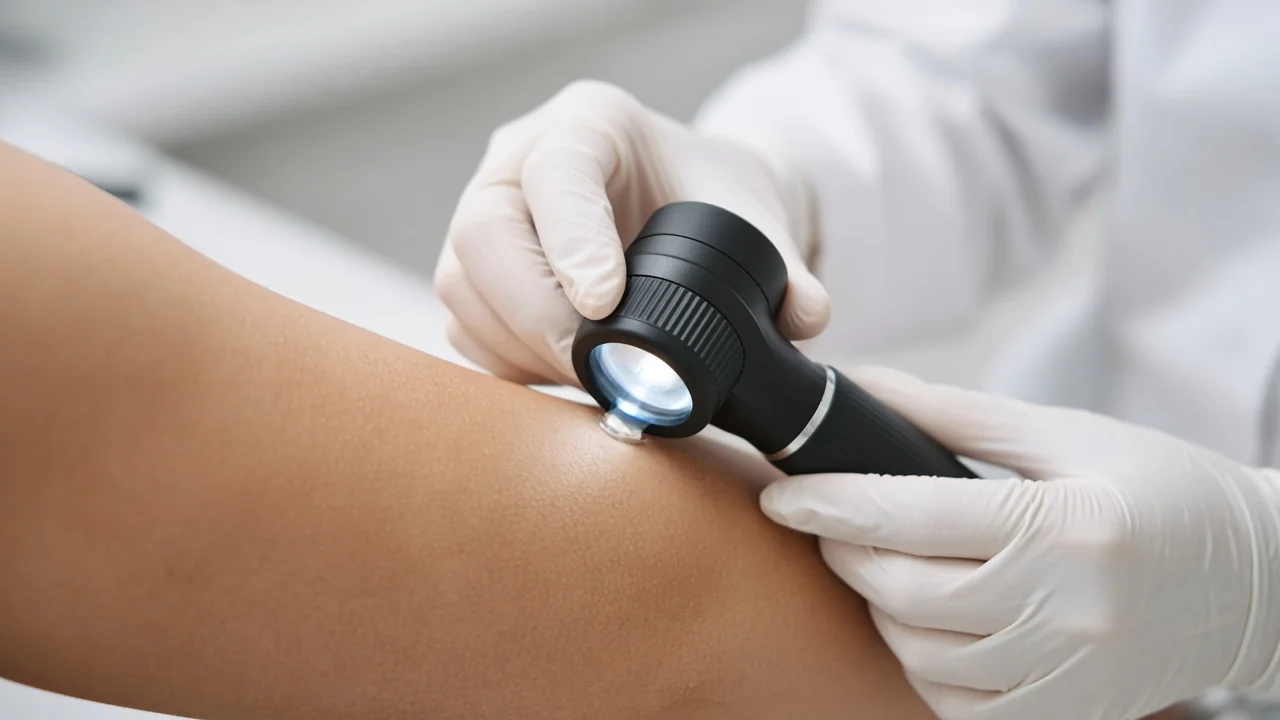
A dermatologist can usually make a clinical diagnosis of keratosis pilaris based on its appearance, location and feel, and blood tests are usually not needed. The doctor will ask when it started, how it changes with the seasons, about family history, any atopic background, and your usual cleansing and skincare habits.
During the visit, the doctor may use a dermatoscope to magnify the plugs in the follicles and the hairs, helping to tell it apart from folliculitis, acne, eczema or other keratinization disorders. If it looks atypical, spreads quickly, is clearly inflamed or comes with other body-wide symptoms, the doctor may consider further tests such as a skin sample.
Before your visit, try not to exfoliate hard, scrape or squeeze the bumps, as inflammation can change how they look and make assessment harder. You can also bring or photograph the cleansing and skincare products you use so the doctor understands your current routine.
How is keratosis pilaris different from folliculitis, acne, and acanthosis nigricans?
All of these conditions can cause small bumps or rough skin, but their causes and management differ. The table below summarizes common differences for understanding only; to learn more, see folliculitis, acne and acanthosis nigricans. An actual diagnosis needs a doctor’s assessment.
| Feature | Keratosis pilaris | Folliculitis | Acne | Acanthosis nigricans |
|---|---|---|---|---|
| Main cause | Keratin build-up at follicle openings, linked to individual tendency | Inflamed hair follicles, often linked to bacteria, fungi, friction or shaving | Oil production, follicle keratinization and inflammation | Skin thickening and darkening, often linked to insulin resistance and other factors |
| Appearance | Tiny rough bumps, like chicken skin | Red bumps or small pustules centered on hairs | Comedones, red bumps, pustules | Gray-brown, velvety, thickened patches |
| Common areas | Outer upper arms, thighs, buttocks, cheeks | Scalp, back, buttocks, legs, beard area | Face, chest, back | Back of neck, underarms, groin and other skin folds |
| Sensation | Usually painless, sometimes mildly itchy | May itch or sting | May be tender | Usually neither painful nor itchy |
| Management | Moisturizing and keratin-softening care, assessed by a doctor | Find the cause and treat as assessed by a doctor | Planned by a doctor based on severity | Assess possible metabolic or other causes |
Does keratosis pilaris go away? Course and common changes
Keratosis pilaris is a long-term condition that tends to recur. Many people find it becomes milder after puberty or in adulthood, but in others it persists and rises and falls with the seasons, skincare and how dry the skin is.
Regular moisturizing and gentle keratin-softening care often make the skin feel smoother and look less red, but roughness may return once care stops. How quickly and how much it improves varies from person to person, so it helps to think of it as skin that needs gentle long-term maintenance rather than a problem to “clear away” quickly.
Some people are left with darker or lighter marks after the bumps settle, and these color changes usually take time to fade. Repeated scratching, scraping or squeezing can leave more obvious pigmentation or scars, so avoiding irritation is central to long-term care.
What are the management options for keratosis pilaris?
The goals of managing keratosis pilaris are to improve how the skin feels and looks, ease discomfort, and reduce irritation and inflammation. Common approaches include:
- Basic moisturizing: apply a moisturizer while the skin is still slightly damp after bathing to help restore the skin barrier—this is the foundation of care.
- Keratin-softening skincare: with advice from a doctor or pharmacist, choose a moisturizer with gentle keratin-softening action to help soften the plugs; test it on a small area first.
- Assessment for topical medicines: if there is redness, inflammation or a noticeable appearance, a doctor may consider topical keratolytic or anti-inflammatory medicines; suitability, how to use them and for how long depend on the individual.
- Managing related conditions: if you also have atopic dermatitis, eczema or folliculitis, the doctor will assess and manage them together.
- Assessment for procedures: for people bothered by the appearance, a doctor may consider certain laser or light treatments to improve redness or pigmentation; suitability requires a face-to-face assessment.
- Regular follow-up: return as your doctor advises to review how the skin responds and adjust care.
If you are pregnant, breastfeeding, or caring for a child, talk with a doctor before using topical products, and avoid buying strong exfoliating products of unknown origin. To learn how dermatology assessments work, see Ruian Clinic dermatology.
How to care for your skin every day: 8 key points for keratosis pilaris
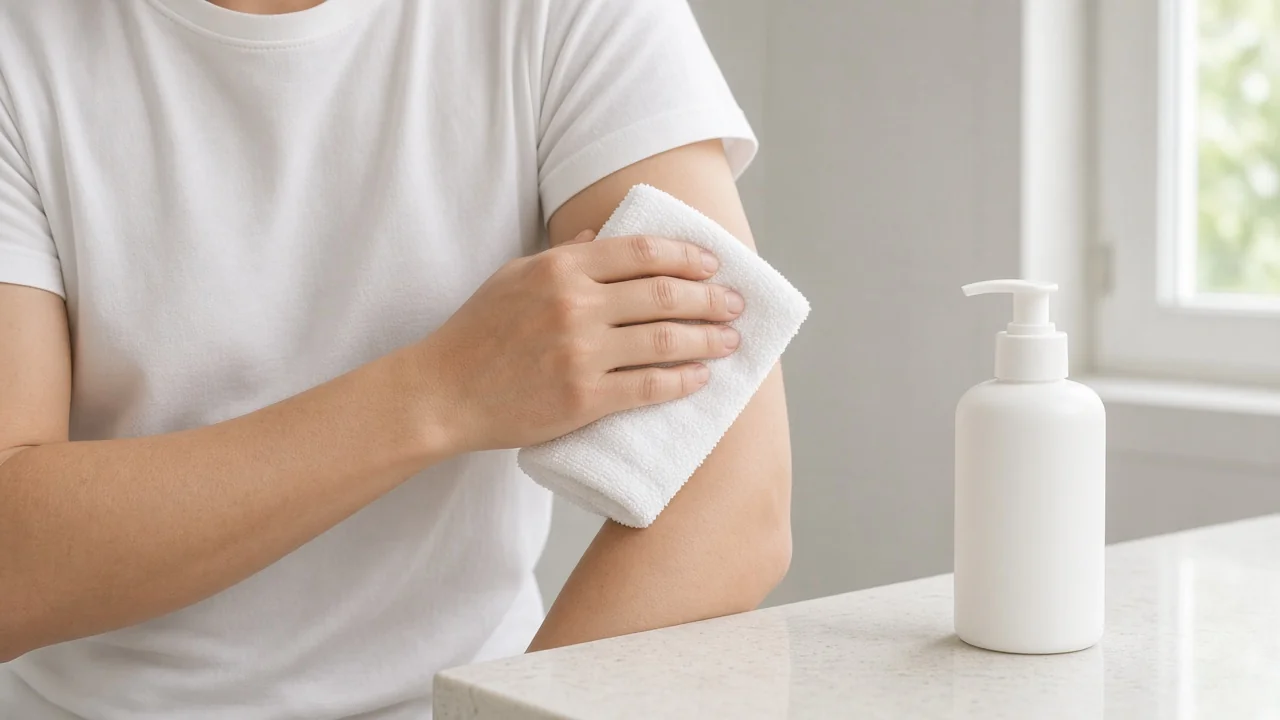
Daily care for keratosis pilaris is built on being gentle and consistent. You can adjust the points below to your own skin; if your skin has wounds or inflammation, or you are using topical medicines, check with your doctor first:
- Use lukewarm water and shorter showers: avoid very hot water and long soaks to reduce dryness.
- Choose gentle cleansers: avoid strongly alkaline or heavily fragranced body washes.
- Moisturize right after bathing: pat dry and apply moisturizer while the skin is still slightly damp to help lock in moisture.
- Do not scrub hard: avoid repeated rubbing with scrub towels or gritty exfoliants, which can make inflammation and redness worse.
- Do not scratch, squeeze or pluck hairs: this can cause inflammation, pigmentation or scars.
- Reduce friction from clothing: choose soft, breathable fabrics and avoid tight tights or sleeves.
- Watch the humidity: in winter or long periods in air-conditioning, consider a humidifier or moisturize more often.
- Be patient and consistent: care takes time; observe your skin for a few weeks, then discuss any changes with your doctor.
If a new skincare product causes stinging, redness, swelling or itching, stop using it and watch the skin, and see a doctor if needed. Avoid layering several exfoliating products at once, as this can increase irritation.
Common myths about keratosis pilaris
Myth 1: Keratosis pilaris happens because you do not wash well enough?
No. Keratosis pilaris relates to how keratin is shed and to individual tendency, not to poor hygiene. Over-washing or scrubbing hard can actually make the skin drier and redder.
Myth 2: Exfoliating hard will smooth out chicken skin?
This is not recommended. Harsh physical scrubbing can cause inflammation, pigmentation and barrier damage. A better approach is gentle cleansing, regular moisturizing, and keratin-softening care chosen with your doctor’s advice.
Myth 3: Keratosis pilaris is contagious?
No. Keratosis pilaris is not caused by an infection and does not spread through contact or by sharing towels or clothes.
Myth 4: Squeezing the bumps will make them go away?
Squeezing is not recommended. It can inflame the follicles and lead to infection, pigmentation or even scars. If the appearance bothers you, ask a dermatologist to assess management options.
When should you see a dermatologist?
Keratosis pilaris rarely needs urgent care, but a dermatologist assessment is recommended if:
- You are not sure whether it is keratosis pilaris, or want to tell it apart from folliculitis, acne or eczema.
- Bumps become clearly red, swollen, painful or filled with pus, which may suggest infection or folliculitis.
- The area spreads quickly or appears in unusual places.
- There is marked itching, flaking or cracked skin, suggesting atopic dermatitis or eczema as well.
- There is no improvement, or it keeps getting worse, after a period of regular moisturizing and gentle care.
- Noticeable darkening, pigmentation or scarring is bothering you.
- A child has widespread rough skin, or other skin or body-wide symptoms.
To find out the cause of skin changes, you can visit Ruian Clinic dermatology for an in-person assessment, or read more skin-care topics in our health library.
Health Education References
- American Academy of Dermatology (AAD): Keratosis pilaris
- DermNet: Keratosis pilaris
- U.S. National Library of Medicine MedlinePlus: Keratosis pilaris
Some people improve gradually after puberty or in adulthood, while others continue to have it and notice seasonal changes. Regular moisturizing and gentle care may improve how the skin feels and looks; results vary, so ask a dermatologist to assess a suitable care plan.
No. Keratosis pilaris is a skin condition related to keratin shedding and individual tendency, not an infection, so it does not spread through contact or shared items. If bumps become red, swollen or filled with pus, folliculitis may also be present, so see a doctor to confirm.
Gentle keratin-softening care is possible, but scrubbing hard with gritty products or scrub towels is not recommended. Whether keratin-softening skincare or topical medicines suit you, and how often to use them, should be assessed by a doctor based on your skin.
Keratosis pilaris is usually tiny, rough, mostly painless bumps; folliculitis often shows red bumps or small pustules centered on hairs that may itch or sting. They can look alike and can occur together, so a dermatologist examination is needed to tell them apart.
Keratosis pilaris is very common in children and is usually a benign tendency, often linked to dry skin or an atopic background. Daily care focuses on gentle cleansing and moisturizing; if it is widespread, clearly red and itchy, or comes with other symptoms, a doctor assessment is recommended.
Some dark or light marks fade slowly over time, but this takes a while, and repeated scratching or squeezing can make pigmentation more noticeable. If the appearance bothers you, a dermatologist can assess whether suitable management options are available.
Doctor’s note: be gentle with keratosis pilaris—avoid scrubbing, scratching or squeezing
Keratosis pilaris is a common benign skin condition linked to individual tendency, dry skin and an atopic background. It tends to recur, so care takes patience. At your visit, you can describe when and where it appeared, seasonal changes, family history, any allergies, and the cleansing and skincare products you currently use, so the doctor can examine you and decide. Please avoid exfoliating hard, scraping or squeezing, and do not use strong products of unknown origin on your own. Whether you need topical medicines or procedures, which type, and for how long should all be assessed in person by a medical professional.
This article is health education information, not a drug advertisement, and does not recommend or sell any specific medicine. It cannot replace a medical examination; diagnosis, tests and treatment should be assessed in person by a doctor based on each individual situation.
Dermatology doctor team

Dr. Tseng