

A boil is a deeper infection of a hair follicle and nearby tissue. It often starts as a red, warm, tender lump and may later develop a central point of pus. It is deeper and usually more painful than superficial folliculitis; a larger collection may become a skin abscess.
A small, localised lesion may improve with appropriate care. However, a boil on the face, rapidly spreading redness, fever or repeated episodes should be assessed by a doctor.
Key points: Not every pus-filled lump should be squeezed. Keep the area clean, use a comfortably warm compress and cover drainage. Seek care early for spreading redness, severe pain, fever, a facial lesion, diabetes or reduced immunity.
What is a boil, and how is it different from a carbuncle?
A boil, or furuncle, forms when infection extends down a hair follicle and creates a painful nodule. It may soften and drain. A larger lesion involving several neighbouring follicles with several drainage points is called a carbuncle. Spreading redness or systemic symptoms need medical assessment.
Boil, folliculitis, inflamed cyst or hidradenitis suppurativa?
Pus alone does not identify the cause. Doctors consider depth, location, whether the lesion centres on a follicle, recurrence, tunnels and scarring. Multiple small superficial pustules may fit folliculitis symptoms and care.
| Condition | Typical appearance | Helpful clue |
|---|---|---|
| Folliculitis | Small superficial pustules; may itch or mildly hurt | Often multiple and centred on follicles |
| Boil / skin abscess | Deeper painful red lump, sometimes with central pus | May feel fluctuant or drain pus |
| Inflamed epidermoid cyst | A pre-existing lump suddenly becomes red and sore | May have a central opening; not always bacterial |
| Hidradenitis suppurativa | Recurrent lumps in armpits, groin or buttocks | May cause tunnels, drainage and scars |
Why do boils occur, and who is more likely to have recurrences?
Skin bacteria can enter through a follicle, tiny abrasion or damaged skin barrier. Sweating, friction, shaving and eczema may increase risk. Repeated boils can prompt review of blood glucose, immune status and chronic skin disease; see diabetes symptoms and tests, but a boil does not by itself mean diabetes.
Can I squeeze, puncture or drain a boil myself?
Do not squeeze, needle or cut a boil yourself. This may push infection into deeper or surrounding tissue and increase bleeding, cellulitis and scarring. Facial lesions, especially near the nose or eyes, and deep or very painful lumps need professional assessment.
How can I use a warm compress and care for it at home?
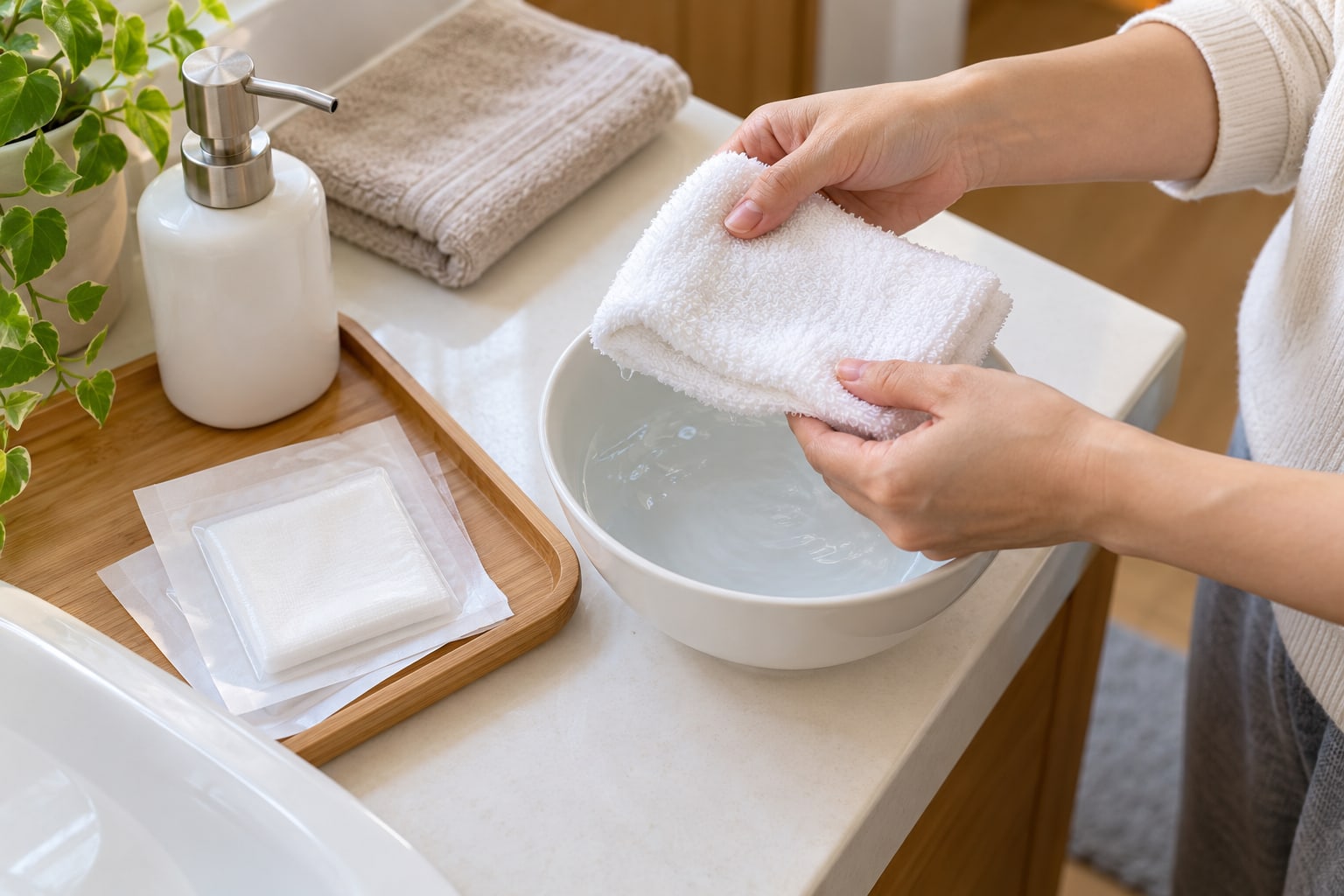
For a small localised lump without systemic illness, apply a clean towel dampened with comfortably warm water; avoid temperatures that could burn the skin. If it drains, wash your hands, clean gently and cover with clean gauze. Do not share towels, razors or clothing.
How does a doctor assess a boil or skin abscess? Is a culture needed?
A doctor assesses size, depth, possible pus cavity, surrounding redness, fever, previous episodes and health risks. A culture is not needed for everyone, but may help when infection is recurrent, severe, not improving, or when drainage is performed.
Does every boil need antimicrobial medicine? When is drainage considered?
Not every boil needs antimicrobial medicine. When a clear pus cavity has formed, the key question may be whether clinician-performed incision and drainage is needed. Medicine may be considered for cellulitis, fever, rapid progression, multiple lesions, special locations or particular health risks.
What should I do about recurrent boils and reduce spread?
Clean hands, cover drainage, avoid sharing personal items, and wash clothing and linen exposed to pus. Recurrent boils do not necessarily reflect poor hygiene; a doctor may consider microbiological or general health evaluation according to the pattern.
Which warning signs need prompt medical care?
- Redness spreads quickly, red streaks appear, or heat and pain are marked
- Fever, chills, rapid heartbeat, weakness or altered awareness
- A lesion on the face, around the nose or eyes, or near the spine
- A large lesion, connected lumps, worsening pain or a clear pus cavity
- An infant, older adult, or person with diabetes or reduced immunity
- Continued worsening, prolonged lack of improvement or repeated lesions at the same site
A dermatology assessment can clarify whether drainage or another treatment is needed. Browse the health library for more guidance.
Health Education References
No. A boil is usually a deep follicular infection, while acne involves follicular plugging, oil and inflammation. A very painful facial lump should be assessed rather than squeezed.
Bacteria in drainage can spread through hands, shared towels, razors or contaminated clothing. Cover drainage, wash hands and avoid sharing personal items.
Wash your hands, clean the surrounding skin gently and cover it with clean gauze. Do not keep squeezing. Seek care if redness spreads, pain worsens or fever occurs.
Timing varies with size, depth, abscess formation, cellulitis and health status. Persistent or worsening lesions need examination rather than a fixed-day rule.
Not necessarily. Carriage of bacteria, skin-barrier problems, friction and household spread are other possibilities. A doctor can decide whether glucose testing is appropriate.
Not every boil does. A clear abscess, large lesion, severe pain or ongoing deterioration may lead a doctor to recommend drainage.
Doctor’s advice
Do not squeeze or puncture a pus-filled lump. Arrange an assessment if redness spreads quickly, fever occurs, the lesion is on the face, or boils keep returning.
This article provides general education and does not replace a diagnosis. Treatment must be based on an in-person assessment by a qualified doctor.
Dermatology team

Dr. Tseng