


When easily broken sores appear around the mouth or nose and quickly develop yellowish-brown, honey-colored crusts, impetigo is a possibility, though not the only one. Many people first suspect cold sores, acne, or a recent mosquito bite, and then worry about spreading it to family members or whether their child can still attend school.
Impetigo (膿疱瘡, also referred to as 膿痂疹) is a superficial bacterial skin infection. It is contagious, but that does not mean it is necessarily severe. While it is more common in children, adults can get it as well—especially when the skin already has wounds or eczema, or in environments with frequent close physical contact. Because its appearance can resemble other rashes, comparing photos on your own makes accurate self-diagnosis difficult. It is best to have a dermatologist examine the skin before deciding on treatment.
Key Takeaways: Impetigo is a superficial bacterial infection of the skin, most often caused by Staphylococcus aureus or group A Streptococcus. It typically features fragile sores or blisters that break easily and form yellowish-brown, honey-colored crusts, commonly around the mouth, nose, hands, and exposed limbs. It spreads through direct skin contact as well as shared towels, clothing, or bedding, and scratching can carry it to other areas. Because it can look like acne, cold sores, insect bites, or eczema, visual comparison alone cannot confirm a diagnosis. If impetigo is suspected, consult a dermatologist to evaluate whether topical or oral antibiotics are needed and to discuss home care and when to return to school or work; avoid squeezing the sores or applying unverified ointments on your own.
What is impetigo? Why does the skin look like this?
Impetigo is a bacterial infection that occurs in the superficial layers of the skin. Bacteria naturally live on normal skin; when a break or minor injury occurs, bacteria can more easily enter and multiply, forming sores or blisters that weep fluid and form crusts.
The bacteria responsible are most commonly Staphylococcus aureus, group A Streptococcus, or sometimes both. Bacteria can enter through cuts, scrapes, insect bites, burns, or pre-existing rashes; scratching open patches of eczema or chickenpox is another common entry point. At times, it can also appear on skin that seems intact.
It is not an inherited condition, but it spreads easily among family members, classmates, or household contacts. Warmer, more humid weather or underlying conditions with itchy, broken skin such as atopic dermatitis or scabies may increase the likelihood. Anyone of any age can contract it, so it should not be viewed as an illness that only children get.
What does impetigo look like? Where does it usually appear?
It is most frequently noticed around the mouth and nose, on the hands, and on exposed skin such as the arms and lower legs. In reality, it can appear anywhere on the body, but facial lesions are more noticeable and tend to cause greater concern.
The more common form is non-bullous impetigo: it begins with one or several sores or small blisters that are often itchy and sometimes tender. These sores break quickly, revealing red or raw skin, and then develop yellowish-brown, honey-colored crusts that some describe as looking like a thin layer of dried crumbs stuck to the face. Nearby lymph nodes may be mildly swollen, but most people generally feel alright and do not necessarily have a fever.
Less common is the bullous form, which initially presents with larger, thin-roofed blisters. These may contain cloudy or yellowish fluid, and the surrounding skin may not look noticeably red. When the blisters burst, they often leave a collarette of scale around the edge before gradually crusting over. People may occasionally feel more fatigued or develop a fever; this also requires a medical evaluation rather than self-diagnosis.
After the crusts fall off, most superficial lesions heal without noticeable scarring. Significant marks or pigmentation changes are more likely only if there has been repeated, deeper scratching or if the infection extends deeper into the skin. Scratching or touching the sores can also seed new patches elsewhere on the body.
On darker skin tones, initial redness may be less apparent, making weeping, raw skin and crusting more prominent from the start. Regardless of skin tone, photos alone cannot provide a reliable diagnosis.
Is impetigo contagious? How should it be managed at home and school?
Yes, it is contagious. The most common route is direct skin contact with the sores or fluid; towels, clothing, bed linens, razors, and even toys or athletic gear can spread it indirectly. Touching or scratching the lesions can also transfer the infection to other parts of your own body.
Once a doctor initiates appropriate treatment and the lesions are cleansed and covered, contagiousness typically decreases. Decisions on taking time off and when it is safe to return to school, daycare, or work should be based on an in-person medical evaluation and relevant institutional policies, rather than arbitrary day counts found online. Without treatment, lesions may persist longer, prolonging the period during which the infection can spread to others.
Practical steps you can take at home include: washing hands thoroughly with soap and drying them before and after caring for the affected skin; refraining from squeezing or picking at crusts; and keeping fingernails trimmed short to reduce scratch damage. Use clean towels and washcloths each time, and do not share towels, pillowcases, or razors with family members. Wash recently used clothes, towels, and sheets separately, using a higher water temperature if the fabric allows; wash toys that may have touched the sores with detergent and warm water.

While still contagious, minimize close skin contact and temporarily avoid gyms or contact sports. Extra care is warranted when interacting with household members who are infants, have diabetes, or have weakened immune systems. These precautions aim to limit transmission without unnecessarily disrupting daily life.
Honey-colored crusts near the mouth: How to tell it apart from acne, cold sores, bug bites, or eczema?
Sores and crusts around the mouth and nose are not always impetigo. A doctor considers the overall pattern, how rapidly it spreads, whether it itches or aches, whether it recurs in the exact same spot, and whether family members or classmates have similar lesions. The table below outlines common differences and cannot substitute for an in-person clinical exam.
| Possible Cause | Common Presentation | Helpful Clues | Next Step |
|---|---|---|---|
| Impetigo | Fragile sores or blisters that break easily, followed by yellowish-brown, honey-colored crusts | Often around the mouth, nose, or limbs; can spread quickly to other areas; contagious | Seek evaluation by a dermatologist; do not squeeze or pop the sores |
| Cold sores | Clusters of small blisters on or around the lips, often preceded by tingling or burning | Frequently recurs in roughly the same location; caused by a virus | Have a doctor differentiate; avoid applying generic wound ointments indiscriminately |
| Acne | Comedones, papules, and pustules often coexisting | Favors oil-rich areas like the face, chest, and upper back; usually lacks widespread honey-colored crusting | Have a doctor evaluate the lesion type; avoid squeezing |
| Insect bites | Localized redness, swelling, and itching, sometimes with a visible central puncture mark | Does not typically form honey-colored crusts unless secondary bacterial infection develops from scratching | Stop scratching and monitor; consult a doctor if redness spreads or yellow crusts appear |
| Eczema or atopic dermatitis | Itching, dryness, cracked skin, or red patches | Not inherently a purulent contagious infection, but broken skin can develop secondary impetigo | Continue moisturizing and reduce irritation; rule out infection if pus or yellow crusts emerge |
| Shingles | Painful blisters appearing on one side of the face or body along a dermatome | Often preceded by tingling or burning pain; typically does not begin with extensive honey-colored crusting | Seek prompt medical evaluation, especially if located near the eyes, nose, or ears |
| Folliculitis or boils | Small pustules centered on hair follicles, or deeper, painful, swollen red nodules | Boils are typically deeper and significantly more painful than superficial crusts | Do not squeeze or puncture with needles; have a doctor assess the depth |
When uncertain, avoid self-diagnosing or delaying care under the assumption that it is just a bug bite. For confirmation, you can visit the Ruianc Clinic dermatology department for an in-person assessment, and read more related topics in the health library.
When should you see a dermatologist?
If you suspect impetigo, it is worth having it confirmed promptly rather than waiting for crusts to spread across the face. Although it is predominantly a superficial infection, earlier assessment offers a better opportunity to curb spread to other areas and individuals. Doctors can usually diagnose it by visual inspection; if lesions are widespread, recurrent, or not responding as expected, a swab may be taken from the sores or nasal passage to identify the bacteria.
A prompt medical visit without prolonged self-monitoring is especially advised in the following situations:
- Sores or crusts expand rapidly, or new lesions keep popping up on other areas of the body.
- Redness, heat, or pain worsens noticeably, or redness spreads outward, requiring evaluation for deeper infection.
- Accompanied by fever, lethargy, or noticeably swollen, tender lymph nodes nearby.
- Occurs in infants, young children, older adults, or individuals with diabetes or receiving immunosuppressive therapies.
- Lesions are near the eyes or present around the breasts during breastfeeding.
- Symptoms fail to improve or worsen despite ongoing medication, or similar episodes have recurred over the past year.
Bringing a photo from when the outbreak looked most pronounced can be helpful during the visit, along with noting how long it has been present, whether it has spread, whether anyone at home or school has similar signs, and what treatments have already been used. This information can be more informative than examining only dried crusts during the appointment.
How is it managed daily? What can you expect from treatment?
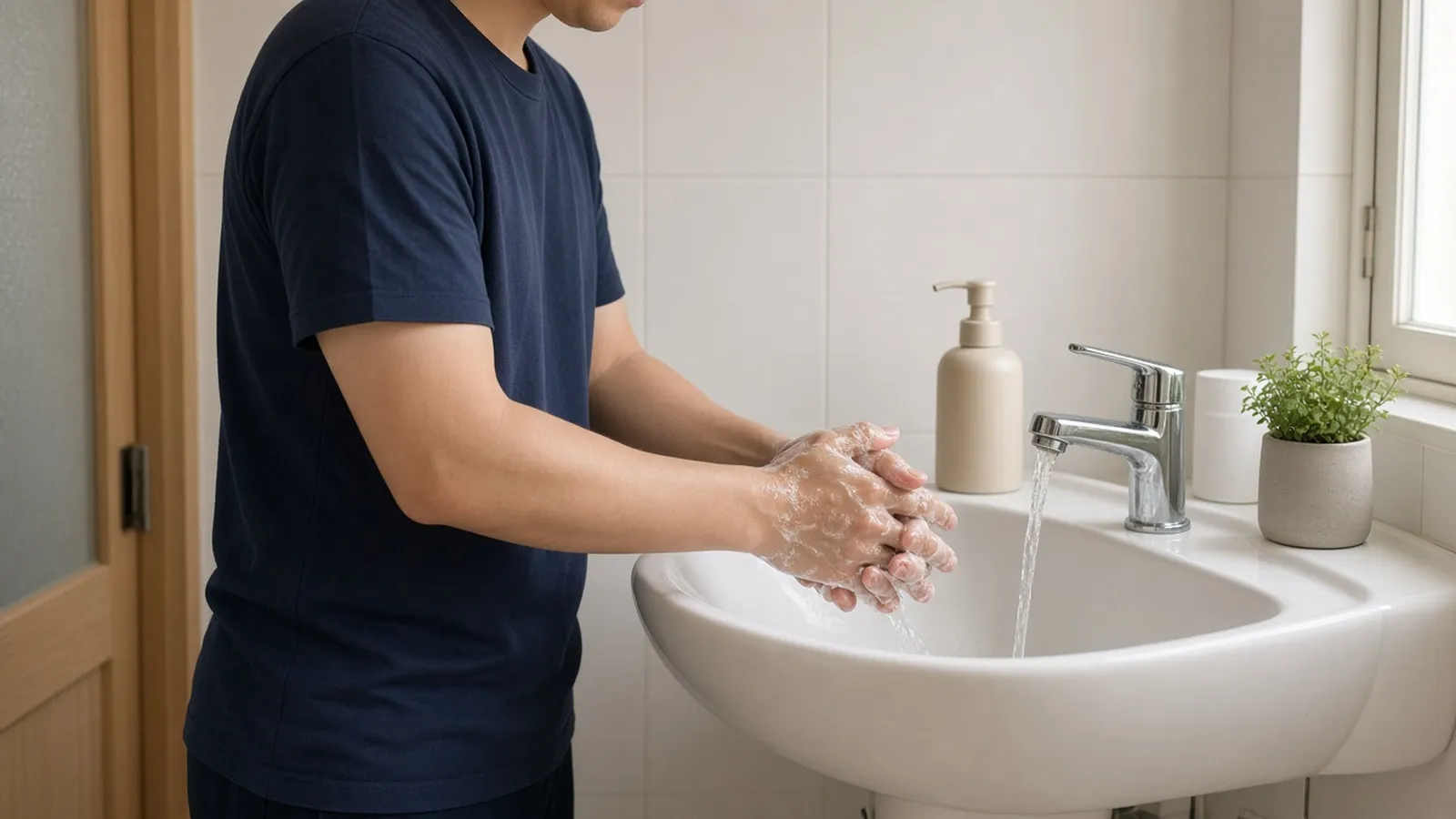
Home care principles are straightforward: gentle cleansing, no picking, using medication as directed, and keeping sores appropriately covered. Cleanse gently with warm water and mild cleanser without vigorous scrubbing or peeling crusts away; pat dry gently, then apply prescribed medication and a dressing as instructed by your doctor. This helps protect others from exposure and prevents repeated trauma from scratching.
Whether medication is required, and whether it should be topical or oral, depends on the extent, type, and general health of the patient as evaluated by a physician. For localized sores, a doctor may prescribe topical antibiotics, commonly featuring active ingredients such as mupirocin or fusidic acid; oral antibiotics may be considered when lesions are extensive, blisters are large, or when fever or compromised immunity is present. The choice of agent and treatment duration must follow medical instructions, without stopping prematurely or keeping leftover medication for future use.
After starting treatment, many people feel more comfortable within a few days, and crusts may gradually dry up. Without treatment, some individuals still clear up over a few weeks, but the risk of spreading to others or other body sites remains higher throughout that period, and in rare cases the infection can progress deeper, raising the chance of lasting marks. Results vary by person, and no method can guarantee resolution within a fixed number of days or promise that it will never recur.
If someone experiences recurrent episodes, the physician may investigate underlying triggers of skin breakdown, such as eczema or scabies, or check for bacterial carriage in the nasal passages. Repeatedly purchasing unverified over-the-counter ointments or using antibiotics routinely as preventive care can complicate subsequent evaluations and can compromise sensible medication use.
Health Education References
- American Academy of Dermatology: Impetigo Overview
- American Academy of Dermatology: Impetigo Symptoms
- American Academy of Dermatology: Impetigo Diagnosis and Treatment
- American Academy of Dermatology: Self-Care Tips to Reduce Impetigo Spread
- NHS: Impetigo
- U.S. CDC: About Impetigo
- MedlinePlus Medical Encyclopedia: Impetigo
- DermNet: Impetigo
- British Association of Dermatologists: Impetigo Patient Information Leaflet (Updated Nov 2024)
Frequently Asked Questions About Impetigo
Is impetigo contagious? Does a child need to stay home from school?
Yes, it is contagious, mainly spreading through direct skin contact or sharing towels, clothing, and bedding. Contagiousness generally decreases after appropriate treatment has started and sores are covered; whether to stay home and when it is appropriate to return to school, daycare, or work should follow a doctor’s evaluation alongside school or workplace policies. Family members do not need to panic, but focusing on thorough hygiene and separate personal items is practical.
Are honey-colored crusts around the mouth always impetigo? Could it be cold sores or acne?
Not necessarily. Cold sores more often occur in clusters on the lips or in a fixed location, frequently preceded by tingling or burning; acne typically presents with a mix of blackheads, whiteheads, and pimples, without widespread honey-colored crusting. Because presentations can overlap, distinguishing them from photos alone is challenging, so an evaluation by a physician is recommended.
Can I squeeze impetigo sores myself or try over-the-counter ointments first?
Popping sores, picking off crusts, or applying random unverified ointments is not recommended. Squeezing and scratching can spread the infection to other sites and increase the risk of scarring. If impetigo is suspected, let a dermatologist evaluate whether topical or oral antibiotics are indicated, and follow guidance on proper cleansing and covering.
If someone at home has impetigo, how can other family members avoid catching it?
Avoid direct contact with the affected skin, and do not share towels, razors, clothing, or pillowcases. Wash hands before and after providing care, provide clean towels for each use, and wash the person’s clothing and bedding separately. Exercise greater caution around infants, individuals with diabetes, or those with weakened immune systems, and ask your doctor if they should be examined as well.
Does impetigo leave scars? Can it recur after treatment?
Most superficial impetigo lesions heal without noticeable scarring once crusts fall away, but deeper scratching or deeper infection can leave marks or uneven pigmentation. Recurrence can happen, especially if underlying eczema triggers scratching or if exposure continues in group settings. If lesions reappear, avoid reusing leftover prescription medication on your own and seek reassessment from a doctor.
Doctor’s Note: Honey-colored crusts around the mouth are not necessarily impetigo; medical evaluation is recommended
Yellow crusts around the mouth and nose are not always impetigo—they can also stem from cold sores, acne, or other skin conditions. Impetigo is contagious, but most cases are superficial infections; prompt medical attention and proper care usually allow gradual improvement. During a consultation, sharing how long the rash has been present, whether it is spreading, whether close contacts share similar symptoms, and which medications have been applied helps guide management. Avoid popping sores or applying random creams, as deciding whether medication is necessary and determining safe return to school or work requires an in-person assessment by a medical professional.
This article is for health education and does not replace in-person medical care. Whether the condition is impetigo, whether medication is needed, or whether care should be adjusted should be evaluated in person by a qualified physician.
Dermatology Medical Team

Dr. Tseng